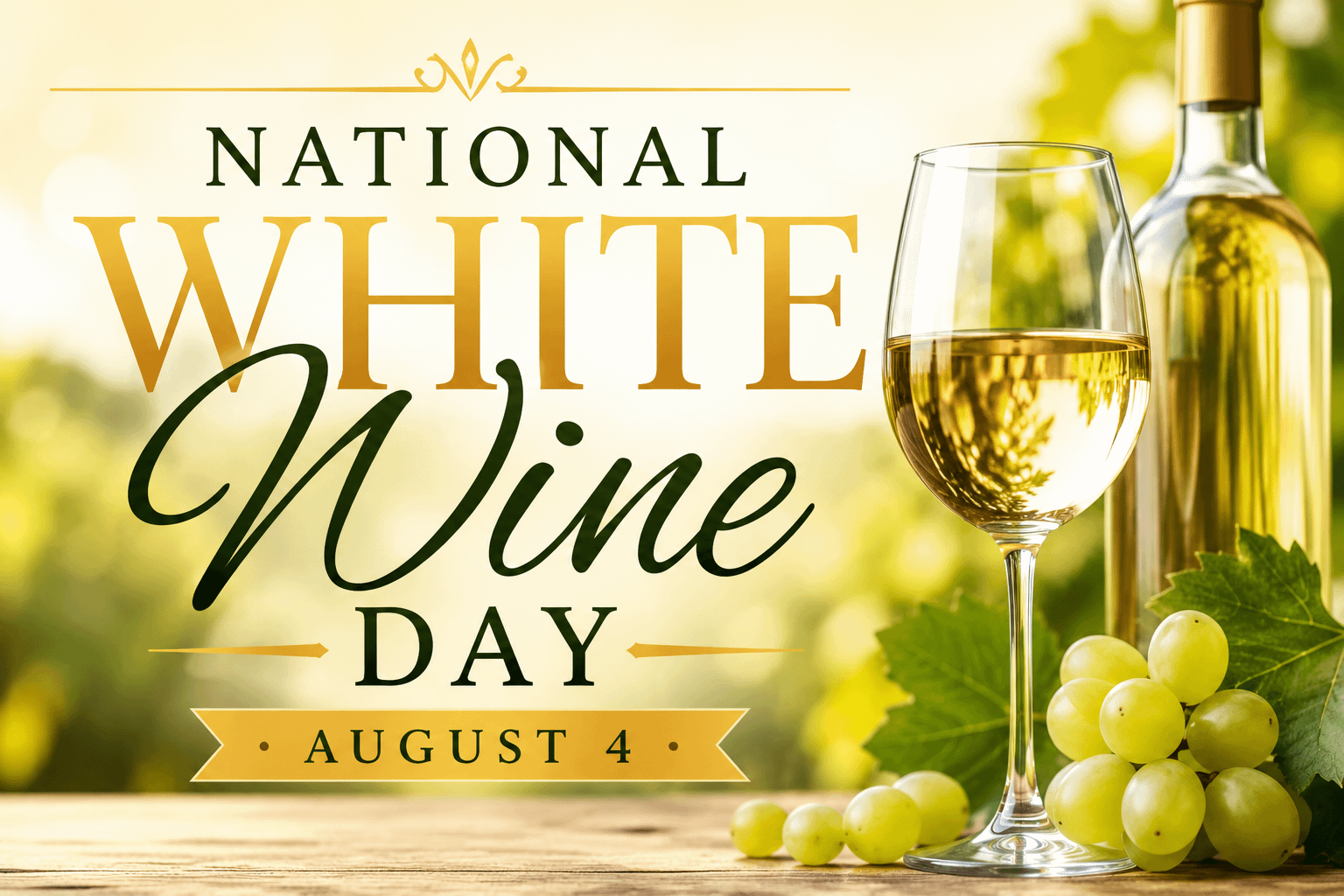
Every year on August 4, wine lovers around the world celebrate National White Wine Day, a special occasion dedicated to one of the world’s oldest and most beloved beverages. From crisp Sauvignon Blancs enjoyed on a warm summer afternoon to rich, buttery Chardonnays served with elegant dinners, white wine has become a symbol of celebration, relaxation, and togetherness.
National White Wine Day isn’t just about opening a bottle—it’s about appreciating centuries of winemaking tradition, exploring different grape varieties, learning how wines are crafted, and discovering the perfect food pairings that elevate every meal. Whether you’re an experienced wine enthusiast or someone curious about trying your first glass, this day provides the perfect opportunity to explore the refreshing world of white wine.
The Long History of White Wine
Wine has been part of human civilization for thousands of years. Historians believe the earliest evidence of winemaking dates back more than 8,000 years, with ancient vineyards discovered in present-day Georgia, Armenia, and surrounding regions.
Early civilizations quickly realized that fermented grapes created a drink unlike any other. Wine became more than a beverage—it became part of religious ceremonies, royal banquets, celebrations, and everyday life.
Ancient Egypt
The Egyptians valued wine so highly that it was often buried alongside pharaohs. White wine was considered a luxury and frequently served during festivals and religious ceremonies.
Ancient Greece
The Greeks viewed wine as a gift from the gods, particularly from Dionysus, the god of wine. Drinking wine became intertwined with philosophy, culture, poetry, and hospitality.
Ancient Rome
The Romans revolutionized viticulture by planting vineyards throughout Europe. Their influence helped establish many famous wine-producing regions that continue producing exceptional wines today.
As European explorers traveled across the globe, vineyards spread to North and South America, Australia, New Zealand, and South Africa, transforming white wine into a truly international favorite.
What Makes White Wine Different?
Although both red and white wines begin with grapes, the production process differs significantly.
The biggest difference is that white wine is generally fermented without the grape skins, allowing the juice to retain its lighter color and delicate flavor profile.
White wines may be made from:
- White grapes
- Green grapes
- Even certain red grapes, provided the skins are removed quickly after pressing
The result is a beverage known for its bright acidity, fresh fruit flavors, floral aromas, and refreshing finish.
The White Winemaking Process
Creating a quality bottle of white wine requires patience, precision, and craftsmanship.
1. Harvesting
Grapes are harvested when sugar levels and acidity reach their ideal balance.
Many premium vineyards harvest by hand to minimize damage to the fruit.
2. Pressing
Unlike red wines, the grapes are pressed almost immediately after harvesting.
The skins are separated from the juice to prevent color and tannins from entering the wine.
3. Fermentation
Yeast converts natural grape sugars into alcohol.
Some wines ferment in:
- Stainless steel tanks for crisp freshness
- Oak barrels for richer flavors
4. Aging
Depending on the style, wines may age for several months or several years.
Oak aging can introduce flavors such as:
- Vanilla
- Toast
- Butter
- Spice
5. Bottling
Once the winemaker is satisfied with the flavor profile, the wine is filtered and bottled for enjoyment around the world.
Understanding White Wine Styles
Not all white wines taste alike.
They range from:
Bone Dry
Very little residual sugar.
Examples include:
- Sauvignon Blanc
- Pinot Grigio
Dry
Fresh fruit flavors without sweetness.
Examples include:
- Chardonnay
- Albariño
Off-Dry
A touch of sweetness balances acidity.
Examples include:
- Some Rieslings
- Chenin Blanc
Sweet
Dessert-style wines with concentrated fruit flavors.
Examples include:
- Moscato
- Ice Wine
- Late Harvest Riesling
Popular White Wine Varieties
Chardonnay
Perhaps the world’s best-known white wine.
Depending on where it’s grown and how it’s aged, Chardonnay can range from crisp and citrusy to rich and buttery.
Typical flavors include:
- Apple
- Lemon
- Pear
- Pineapple
- Butter
- Vanilla
- Toast
Perfect with:
- Lobster
- Chicken Alfredo
- Roasted chicken
- Cream sauces
Sauvignon Blanc
Known for its lively acidity and refreshing citrus character.
Flavor notes include:
- Grapefruit
- Lime
- Passionfruit
- Kiwi
- Fresh herbs
- Green apple
Pairs wonderfully with:
- Fish tacos
- Goat cheese
- Fresh salads
- Shrimp
Riesling
One of the world’s most aromatic wines.
Common flavors include:
- Peach
- Apricot
- Honey
- Lime
- Jasmine
- Apple blossom
Excellent with:
- Asian cuisine
- Pork
- Spicy dishes
- Fruit desserts
Pinot Grigio
Crisp, refreshing, and incredibly approachable.
Flavors include:
- Pear
- Green apple
- Lemon
- White peach
- Melon
Excellent alongside:
- Seafood
- Light pasta
- Chicken
- Fresh vegetables
Moscato
A favorite among those who enjoy sweeter wines.
Common flavors include:
- Peach
- Honey
- Orange blossom
- Nectarine
- Citrus
Perfect with:
- Cheesecake
- Fruit tarts
- Brunch
- Summer picnics
Chenin Blanc
One of the most versatile white wines available.
Depending on production methods, it can be:
- Dry
- Sparkling
- Sweet
- Dessert-style
Flavor notes include:
- Apple
- Pear
- Honey
- Melon
- Floral aromas
Famous White Wine Regions
Some of the world’s greatest white wines come from legendary wine regions.
France
Home to:
- Burgundy Chardonnay
- Loire Valley Sauvignon Blanc
- Alsace Riesling
Italy
Known for:
- Pinot Grigio
- Soave
- Gavi
Germany
World-famous for elegant Rieslings with incredible aging potential.
New Zealand
Produces some of the brightest and most vibrant Sauvignon Blancs anywhere.
California
California’s Napa Valley and Sonoma County produce exceptional Chardonnay, Sauvignon Blanc, and many other premium white wines.
Australia
Popular for:
- Chardonnay
- Semillon
- Riesling
South Africa
Known for excellent Chenin Blanc and Sauvignon Blanc.
Pairing White Wine with Food
One of white wine’s greatest strengths is its versatility.
Seafood
White wine and seafood are classic companions.
Great matches include:
- Lobster
- Salmon
- Oysters
- Crab
- Shrimp
- Halibut
Chicken
Grilled chicken, roasted chicken, and lemon chicken pair beautifully with Chardonnay and Sauvignon Blanc.
Pasta
Cream sauces work wonderfully with Chardonnay.
Olive oil-based pasta pairs nicely with Pinot Grigio.
Fresh Salads
The bright acidity of Sauvignon Blanc complements fresh vegetables and citrus vinaigrettes.
Cheese
Outstanding white wine cheeses include:
- Brie
- Goat cheese
- Havarti
- Gruyère
- Mozzarella
- Camembert
Desserts
Sweeter wines pair beautifully with:
- Cheesecake
- Lemon bars
- Peach cobbler
- Fruit tart
- Vanilla cake
Serving White Wine the Right Way
Serving temperature has a significant impact on flavor.
General guidelines:
- Sparkling wines: 40–45°F
- Light white wines: 45–50°F
- Fuller-bodied whites: 50–55°F
Serving wine too cold can hide aromas and mute flavors, while serving it too warm can make the alcohol taste more pronounced.
Allow refrigerated bottles to sit for several minutes before pouring for the best tasting experience.
Fun Facts About White Wine
- White wine can be produced using certain red grapes.
- Chardonnay is grown on every continent except Antarctica.
- The world’s oldest surviving bottle of wine is nearly 1,700 years old.
- Germany produces some of the finest Rieslings despite its cooler climate.
- Sauvignon Blanc from New Zealand is famous for its bold tropical fruit aromas.
- Oak barrels contribute flavors of vanilla, spice, caramel, and toast.
- White wine is commonly used in cooking to create flavorful sauces, risottos, soups, and seafood dishes.
- Some premium white wines can age gracefully for decades.
Ways to Celebrate National White Wine Day
There are countless enjoyable ways to participate in this annual celebration.
Visit a Local Winery
Take a vineyard tour to learn how grapes become wine and enjoy guided tastings from local producers.
Host a Wine Tasting
Invite friends to sample several white wine varieties side by side while comparing aromas, flavors, and finishes.
Learn Something New
Read about different grape varieties, wine regions, or the winemaking process to deepen your appreciation.
Try a New Bottle
Step outside your comfort zone and purchase a white wine you’ve never experienced before.
Cook with White Wine
Prepare recipes like:
- Chicken Piccata
- White Wine Garlic Shrimp
- Creamy Risotto
- Seafood Pasta
Pair Wine with Dinner
Create a full meal designed around your favorite bottle of white wine.
Support Local Businesses
Visit a nearby winery, independent wine shop, or restaurant featuring regional wines.
White Wine in Modern Culture
White wine continues to grow in popularity thanks to its versatility and accessibility. It has become a staple at weddings, celebrations, holidays, backyard barbecues, brunches, and elegant dinner parties alike.
Many people appreciate white wine because it offers a broad spectrum of flavors—from dry and mineral-driven to fruity and sweet—making it approachable for nearly every palate.
Winemakers continue experimenting with sustainable farming, organic vineyards, and innovative production methods, ensuring that future generations can enjoy exceptional wines while protecting the environment.
Enjoy Responsibly
National White Wine Day is meant to celebrate craftsmanship, culture, and community. If you choose to enjoy wine, always do so responsibly.
- Never drink and drive.
- Arrange safe transportation if needed.
- Drink in moderation.
- Ensure all participants are of legal drinking age.
- Respect local laws regarding alcohol consumption.
Celebrating responsibly allows everyone to enjoy the occasion safely.
Raise a Glass to National White Wine Day
National White Wine Day is more than just an excuse to enjoy a chilled glass of wine. It is a celebration of history, tradition, agriculture, artistry, and the simple pleasure of sharing good food and good conversation with family and friends.
Whether you’re sipping a crisp Sauvignon Blanc on a sunny patio, enjoying a buttery Chardonnay with dinner, or discovering the floral elegance of a Riesling for the very first time, every bottle tells a story shaped by the land, the climate, and the dedication of the people who crafted it.
So this August 4, uncork your favorite bottle, gather with those you enjoy spending time with, and take a moment to appreciate one of the world’s most cherished beverages.
Here’s to great wine, unforgettable memories, and celebrating National White Wine Day—cheers!
Read More Holidays & National Days
Leave a Reply