Category: Holidays & National Days

  • National Chili Dog Day: Celebrating One of America’s Favorite Comfort Foods

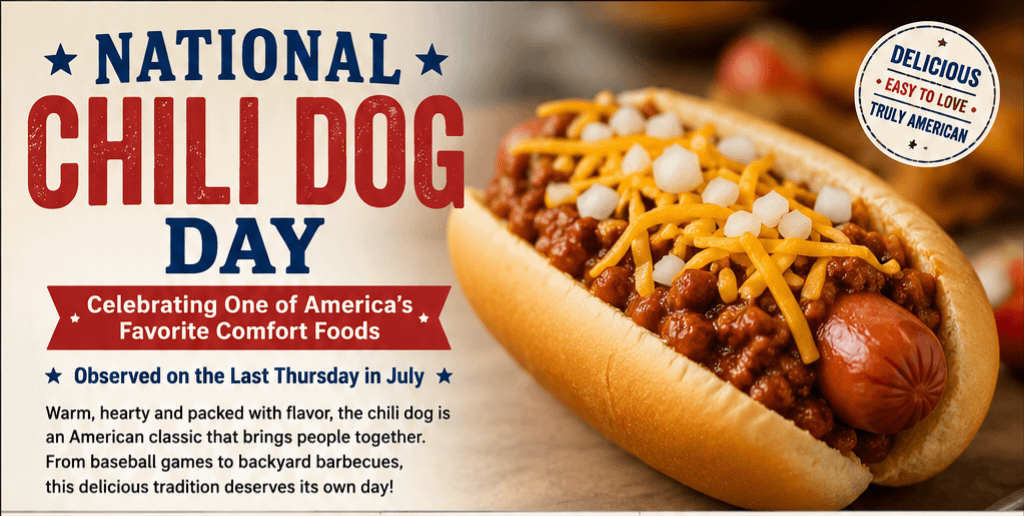
    National Chili Dog Day: Celebrating One of America’s Favorite Comfort Foods

    Every year on the last Thursday in July, food lovers across the United States celebrate National Chili Dog Day, a delicious occasion dedicated to one of America’s most iconic comfort foods. Combining a juicy hot dog, a soft bun, hearty chili, and an assortment of flavorful toppings, the chili dog has become a staple at backyard barbecues, baseball stadiums, diners, county fairs, and family cookouts.

    While it may not receive the same attention as burgers or pizza, the chili dog has earned a devoted following that spans generations. It represents more than just a satisfying meal—it symbolizes summertime gatherings, sporting events, road trips, and cherished family traditions.

    Whether you enjoy your chili dog loaded with cheese and onions or keep it simple with just chili and mustard, National Chili Dog Day is the perfect opportunity to celebrate this timeless American classic.


    The History of the Chili Dog

    Like many beloved American foods, the exact origins of the chili dog remain a subject of friendly debate. Historians generally agree that the chili dog emerged during the early 20th century as hot dogs gained popularity across the country and regional chili recipes became widely available.

    German immigrants introduced sausages similar to today’s hot dogs to the United States during the 1800s. Meanwhile, Texas-style chili was becoming increasingly popular throughout the Southwest. Eventually, someone had the brilliant idea to combine the two.

    By the 1920s and 1930s, chili dogs were appearing in diners, lunch counters, and roadside stands across America. Their affordability and bold flavor quickly made them a favorite among working families looking for a filling meal that didn’t cost much.

    As automobiles became more common and roadside restaurants flourished, chili dogs became a signature menu item at drive-ins and neighborhood diners, helping cement their place in American food culture.


    Regional Styles Across America

    One reason chili dogs have remained so popular is that nearly every region has developed its own version.

    Detroit Coney Dog

    Perhaps the most famous variation, the Detroit Coney Dog features a beef hot dog topped with a savory meat sauce, yellow mustard, and diced white onions. Despite the name, it has little connection to Coney Island in New York.

    Flint-Style Coney

    Originating in Michigan, Flint’s version uses a dry, finely ground beef topping rather than a traditional chili sauce, giving it a unique texture.

    West Virginia Hot Dog

    A favorite throughout Appalachia, this version includes chili, mustard, onions, and creamy coleslaw. The sweet slaw balances the rich chili perfectly.

    Texas Chili Dog

    Texas stays true to its chili roots by serving hot dogs with bold, spicy chili, chopped onions, and often shredded cheddar cheese.

    Cincinnati Style

    Inspired by Cincinnati chili, this variation often features cinnamon- and cocoa-spiced chili served over the hot dog with generous shredded cheddar.

    Southern Favorites

    Across the South, many restaurants add pimento cheese, barbecue sauce, jalapeños, or even mac and cheese for an extra indulgent twist.

    These regional interpretations showcase the creativity and local traditions that continue to keep the chili dog exciting.


    Why Americans Love Chili Dogs

    The chili dog remains popular because it checks nearly every box people look for in comfort food.

    It is:

    • Warm and filling
    • Affordable
    • Easy to customize
    • Perfect for feeding large groups
    • Quick to prepare
    • Packed with bold flavors
    • Great for sporting events and parties

    For many people, eating a chili dog brings back memories of childhood baseball games, amusement parks, county fairs, family reunions, or summer cookouts.

    Food has a unique ability to connect us with memories, and few meals evoke nostalgia quite like a perfectly made chili dog.


    What Makes the Perfect Chili Dog?

    Everyone has their own opinion, but several ingredients are considered essential.

    The Hot Dog

    Most people prefer an all-beef hot dog, although pork, turkey, chicken, and plant-based options have become increasingly popular.

    The Bun

    A soft, fresh bun is critical. It should be sturdy enough to hold the chili without falling apart while remaining soft enough to bite through easily.

    The Chili

    Traditional chili dog chili is different from a bowl of chili.

    It is usually:

    • Smooth
    • Thick
    • Rich
    • Meat-heavy
    • Lightly seasoned
    • Typically made without beans

    The thick consistency allows it to stay on the hot dog instead of running off the sides.


    Popular Chili Dog Toppings

    One of the best things about chili dogs is the endless customization.

    Classic toppings include:

    • Shredded cheddar cheese
    • Diced onions
    • Yellow mustard
    • Jalapeños
    • Relish

    Modern favorites include:

    • Bacon crumbles
    • Pepper jack cheese
    • Fried onions
    • BBQ sauce
    • Chipotle mayo
    • Pickled peppers
    • Coleslaw
    • Avocado
    • Crushed tortilla chips
    • Hot sauce
    • Green onions
    • Sour cream

    There is truly no wrong way to build a chili dog.


    Chili Dogs and Baseball

    Few foods are as closely associated with baseball as the hot dog.

    Add chili and cheese, and you’ve created one of the ultimate stadium meals.

    Many Major League Baseball parks serve their own signature chili dogs, each reflecting regional flavors and local traditions.

    For countless fans, enjoying a chili dog while watching a summer baseball game is an experience that captures the spirit of America.


    Chili Dog Eating Contests

    National Chili Dog Day often features friendly eating competitions hosted by restaurants, community festivals, and local organizations.

    While professional competitive eaters can consume astonishing numbers of chili dogs, most celebrations focus on bringing families together for fun rather than competition.

    Many restaurants also offer discounts, combo meals, and limited-time specialty chili dogs to mark the occasion.


    Hosting Your Own Chili Dog Bar

    One of the easiest ways to celebrate National Chili Dog Day is by creating a chili dog bar for family and friends.

    Prepare grilled hot dogs, warm buns, and homemade chili, then set out bowls filled with toppings.

    Ideas include:

    • Cheddar cheese
    • Monterey Jack
    • Diced onions
    • Jalapeños
    • Bacon
    • Chili
    • Mustard
    • Ketchup
    • BBQ sauce
    • Pickles
    • Coleslaw
    • Tomatoes
    • Green onions
    • Avocado
    • Sour cream

    Everyone can create a personalized chili dog exactly the way they like it.

    It’s a fun and interactive meal that’s perfect for summer gatherings.


    Fun Facts About Chili Dogs

    • National Chili Dog Day is celebrated every year on the last Thursday in July.
    • Hot dogs have been enjoyed in America for more than 150 years.
    • Americans consume billions of hot dogs annually.
    • Chili dogs became popular during the rise of roadside diners in the early 1900s.
    • Every region seems to have its own “best” chili dog recipe.
    • Chili dogs remain one of the most popular concession stand foods at sporting events.
    • Some restaurants have served the same secret chili recipe for generations.
    • Chili dogs are frequently featured at county fairs and summer festivals.

    Pairing Ideas

    Complete your National Chili Dog Day meal with delicious side dishes.

    Popular choices include:

    • French fries
    • Onion rings
    • Potato salad
    • Coleslaw
    • Macaroni salad
    • Baked beans
    • Corn on the cob
    • Pickle spears
    • Watermelon
    • Pasta salad

    Refreshing beverages such as lemonade, iced tea, root beer, sparkling water, or your favorite soft drink complement the rich flavors perfectly.


    Make It Healthier

    Want to enjoy a chili dog with a lighter twist?

    Try these simple substitutions:

    • Turkey or chicken hot dogs
    • Plant-based sausages
    • Whole wheat buns
    • Low-fat cheese
    • Homemade lean chili
    • Extra vegetables as toppings
    • Reduced-sodium ingredients

    These swaps allow you to enjoy the holiday while fitting your dietary preferences.


    Why National Chili Dog Day Matters

    Food holidays aren’t just about eating—they’re about celebrating traditions, bringing people together, and appreciating the simple pleasures in life.

    National Chili Dog Day encourages families, friends, coworkers, and neighbors to gather around the grill, visit local restaurants, and support small businesses that have served chili dogs for decades.

    Whether you’re introducing someone to their first chili dog or continuing a family tradition, every bite becomes part of a shared experience.


    Celebrate This Delicious American Tradition

    National Chili Dog Day reminds us that some of the best meals are also the simplest. A quality hot dog, a warm bun, rich homemade chili, and your favorite toppings combine to create a dish that has stood the test of time.

    This year, fire up the grill, invite family and friends over, or visit your favorite local diner to celebrate. Try a new regional style, experiment with creative toppings, or recreate a family recipe that has been passed down through generations.

    No matter how you enjoy it, National Chili Dog Day is a chance to celebrate great food, lasting traditions, and the joy of sharing a delicious meal with the people who matter most.

    Happy National Chili Dog Day!

    Read More Holidays & National Days
  • National Cheesecake Day: A Sweet Celebration of One of the World’s Favorite Desserts

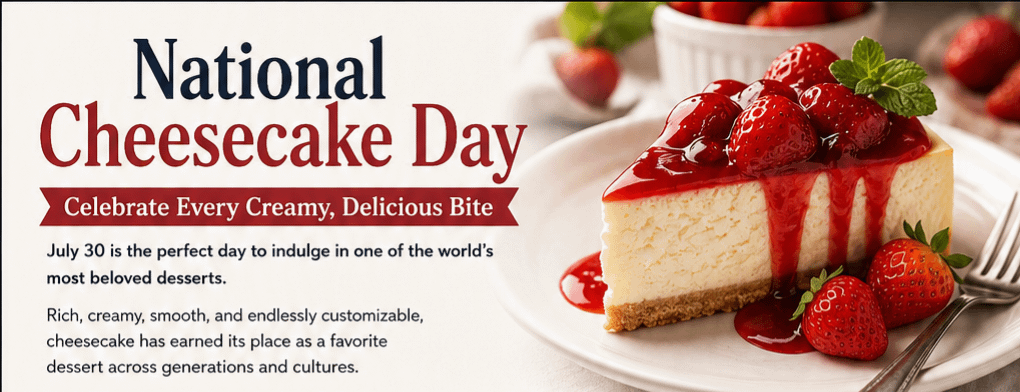
    National Cheesecake Day: A Sweet Celebration of One of the World’s Favorite Desserts

    Every year on July 30, dessert lovers across the United States celebrate National Cheesecake Day, a delicious holiday dedicated to one of the richest, creamiest, and most beloved desserts ever created. Whether you enjoy a traditional New York-style cheesecake, a fruity strawberry topping, a decadent chocolate version, or a light no-bake cheesecake during the summer, this day is all about indulging in a timeless classic.

    Cheesecake has become a staple at birthdays, weddings, holidays, family gatherings, and special occasions. Its incredible versatility means there’s a cheesecake for nearly every taste preference, making it one of the most popular desserts around the globe.

    National Cheesecake Day isn’t just about satisfying your sweet tooth—it’s also a chance to appreciate the fascinating history, cultural significance, and endless creativity behind this iconic dessert.


    The Ancient Origins of Cheesecake

    Many people think cheesecake is an American invention because of the famous New York-style version, but its history stretches back more than 4,000 years.

    Historians believe the earliest versions of cheesecake originated on the Greek island of Samos around 2000 B.C. Archaeologists have discovered cheese molds dating to that period, suggesting that early forms of cheesecake were already being made.

    One of the most famous stories surrounding cheesecake comes from the first Olympic Games in 776 B.C. Greek athletes were reportedly served cheesecake before competitions because it was considered an excellent source of energy. Made from simple ingredients like fresh cheese, honey, and wheat, it provided carbohydrates and protein long before modern sports nutrition existed.

    When the Romans conquered Greece, they embraced the dessert and introduced their own version called libum. Roman recipes included crushed cheese mixed with flour and eggs before baking. As the Roman Empire expanded throughout Europe, cheesecake recipes spread to countless regions, where each culture adapted the dessert using local ingredients.

    Over centuries, cheesecake evolved into many unique varieties that are still enjoyed today.


    The Birth of Modern Cheesecake

    Modern cheesecake changed forever in 1872 when New York dairyman William Lawrence accidentally created cream cheese while attempting to recreate a French soft cheese.

    Instead of producing Neufchâtel cheese, Lawrence ended up with a richer, creamier product that became known as cream cheese. This accidental invention would eventually revolutionize cheesecake recipes.

    By the early 1900s, cream cheese had become widely available throughout America. Bakers quickly realized it created a smoother, richer filling than previous cheese varieties.

    Eventually, New York bakeries perfected what became known as New York-style cheesecake—dense, creamy, rich, and incredibly satisfying.

    Today, it remains one of America’s signature desserts.


    Why Cheesecake Has Remained So Popular

    Very few desserts have stood the test of time like cheesecake.

    Its popularity comes from several unique qualities:

    Rich Yet Simple

    At its core, cheesecake contains only a handful of ingredients:

    • Cream cheese
    • Eggs
    • Sugar
    • Vanilla
    • A crust
    • Optional toppings

    Simple ingredients combine to create something luxurious.

    Endless Flavor Possibilities

    Unlike many desserts, cheesecake acts like a blank canvas.

    It pairs beautifully with fruits, chocolates, candies, nuts, spices, cookies, coffee, citrus, caramel, peanut butter, pumpkin, and countless other flavors.

    No matter the season, there’s always a cheesecake recipe to match.

    Suitable for Every Occasion

    Cheesecake feels equally appropriate at:

    • Birthday parties
    • Wedding receptions
    • Holiday dinners
    • Summer cookouts
    • Office celebrations
    • Family reunions
    • Date nights
    • Restaurant desserts

    It can be dressed up for elegant events or served casually after a backyard barbecue.


    Popular Types of Cheesecake

    One reason cheesecake remains so beloved is the incredible variety available today.

    Classic New York Cheesecake

    Dense, rich, creamy, and often served plain or with a light fruit topping.

    Strawberry Cheesecake

    Perhaps the most recognizable version, topped with sweet strawberries and strawberry glaze.

    Blueberry Cheesecake

    Fresh blueberries provide the perfect balance between sweet and tart.

    Chocolate Cheesecake

    Ideal for chocolate lovers, often featuring chocolate ganache or chocolate cookie crusts.

    Oreo Cheesecake

    Crushed chocolate sandwich cookies create both the crust and filling.

    Turtle Cheesecake

    Loaded with caramel, chocolate, and crunchy pecans.

    Pumpkin Cheesecake

    A fall favorite combining pumpkin puree with warm spices.

    Lemon Cheesecake

    Bright citrus flavors create a lighter, refreshing dessert.

    Raspberry Swirl Cheesecake

    Beautiful raspberry ribbons provide color and fresh flavor.

    Peanut Butter Cheesecake

    Rich peanut butter blended into the creamy filling often topped with chocolate.

    Salted Caramel Cheesecake

    Sweet caramel balanced with flaky sea salt.

    Key Lime Cheesecake

    A tropical twist that combines cheesecake with Florida’s famous citrus flavor.

    No-Bake Cheesecake

    Perfect for warm weather when you don’t want to turn on the oven.

    Basque Burnt Cheesecake

    A Spanish favorite featuring a deeply caramelized top and creamy center.


    Cheesecake Around the World

    Although Americans often claim cheesecake as their own, many countries have developed their own distinctive versions.

    Italy

    Italian cheesecakes are commonly made with ricotta cheese, resulting in a lighter, slightly grainy texture.

    Germany

    Known as Käsekuchen, German cheesecake uses quark cheese, producing a creamy yet tangy dessert.

    Poland

    Polish Sernik uses farmer’s cheese and often includes raisins or citrus zest.

    Japan

    Japanese soufflé cheesecake is famous for being airy, fluffy, and incredibly light.

    Spain

    Basque Burnt Cheesecake intentionally develops a dark caramelized exterior while remaining creamy inside.

    France

    French cheesecakes tend to be lighter and often incorporate fresh cheeses with delicate flavors.

    Every culture has embraced cheesecake while adding its own culinary traditions.


    Fun Cheesecake Facts

    Here are some fascinating cheesecake facts you may not know:

    • Cheesecake is over 4,000 years old.
    • Ancient Olympic athletes ate cheesecake for energy.
    • Cream cheese was invented by accident.
    • New York-style cheesecake became famous during the early 20th century.
    • Some cheesecakes require no baking whatsoever.
    • Japan’s soufflé cheesecake gently jiggles when served.
    • Basque cheesecake intentionally looks “burnt.”
    • Cheesecake can be frozen without losing much of its creamy texture.
    • There are thousands of cheesecake recipes worldwide.
    • July 30 is celebrated annually as National Cheesecake Day.

    Creative Cheesecake Toppings

    The toppings can completely transform a cheesecake.

    Popular choices include:

    • Fresh strawberries
    • Mixed berries
    • Blueberries
    • Cherries
    • Raspberry sauce
    • Chocolate ganache
    • Caramel drizzle
    • Salted caramel
    • Whipped cream
    • Crushed Oreos
    • Toasted pecans
    • Candied walnuts
    • Lemon curd
    • Mango puree
    • Pineapple topping
    • Cinnamon apples
    • Toasted coconut
    • Mini chocolate chips
    • Peanut butter cups
    • Cookie crumbles

    Every topping creates a new dessert experience.


    How to Celebrate National Cheesecake Day

    There are countless fun ways to participate.

    Visit a Local Bakery

    Support a neighborhood bakery by purchasing a fresh slice or whole cheesecake.

    Many bakeries and restaurants even feature special promotions or limited-edition flavors on National Cheesecake Day.

    Bake Your Own Cheesecake

    Homemade cheesecake allows you to experiment with unique flavors and toppings.

    Even beginners can make impressive cheesecakes using simple recipes.

    Host a Cheesecake Party

    Invite family and friends to each bring a different cheesecake flavor.

    Vote for categories such as:

    • Most Creative
    • Best Classic
    • Best Chocolate
    • Best Fruit Flavor
    • Crowd Favorite

    Try a Flavor You’ve Never Had

    Challenge yourself to order something different.

    If you always choose strawberry, try pistachio, espresso, pumpkin, or turtle cheesecake instead.

    Share It with Someone

    Desserts become even sweeter when shared.

    Bring cheesecake to:

    • A neighbor
    • Family member
    • Coworkers
    • Church gathering
    • Community event

    A small act of kindness can brighten someone’s day.


    Perfect Beverage Pairings

    Cheesecake pairs wonderfully with many beverages.

    Some favorites include:

    Coffee

    The bitterness balances cheesecake’s richness.

    Espresso

    A bold espresso enhances creamy flavors.

    Cappuccino

    Foamed milk creates a luxurious dessert pairing.

    Tea

    Black tea, Earl Grey, or chamomile all complement cheesecake beautifully.

    Cold Milk

    A timeless classic.

    Sparkling Water

    Helps cleanse the palate between bites.

    Dessert Wine

    Sweet wines pair especially well with fruit cheesecakes.


    Why Food Holidays Matter

    Food holidays aren’t merely about eating—they’re about creating memories.

    Families gather around desserts.

    Friends celebrate birthdays with cheesecake.

    Couples share slices after dinner.

    Children learn family recipes passed down through generations.

    National Cheesecake Day reminds us to slow down and appreciate life’s sweeter moments.

    Whether you’re baking from scratch or enjoying a slice from your favorite restaurant, you’re participating in a tradition that stretches back thousands of years.


    A Cheesecake Recipe Worth Trying

    If you’re feeling inspired, here’s a simple idea:

    Classic Cheesecake

    Ingredients

    • Graham cracker crumbs
    • Melted butter
    • Cream cheese
    • Granulated sugar
    • Eggs
    • Vanilla extract
    • Sour cream

    Top with fresh strawberries, blueberries, or chocolate sauce for an easy crowd-pleaser.


    Final Thoughts

    National Cheesecake Day is much more than another food holiday. It celebrates centuries of culinary history, cultural traditions, family gatherings, and one of the most comforting desserts ever created.

    From the athletic fields of ancient Greece to modern bakeries and kitchens around the world, cheesecake has stood the test of time because it combines simple ingredients with unforgettable flavor.

    Whether you prefer classic New York-style cheesecake, rich chocolate cheesecake, fruity berry toppings, or a light no-bake version enjoyed on a warm summer afternoon, July 30 is the perfect day to treat yourself.

    So gather your friends, visit your favorite bakery, bake a homemade masterpiece, or simply enjoy a slice with a cup of coffee. However you celebrate, take a moment to savor every creamy, delicious bite.

    Happy National Cheesecake Day!

    Read More Holidays & National Days
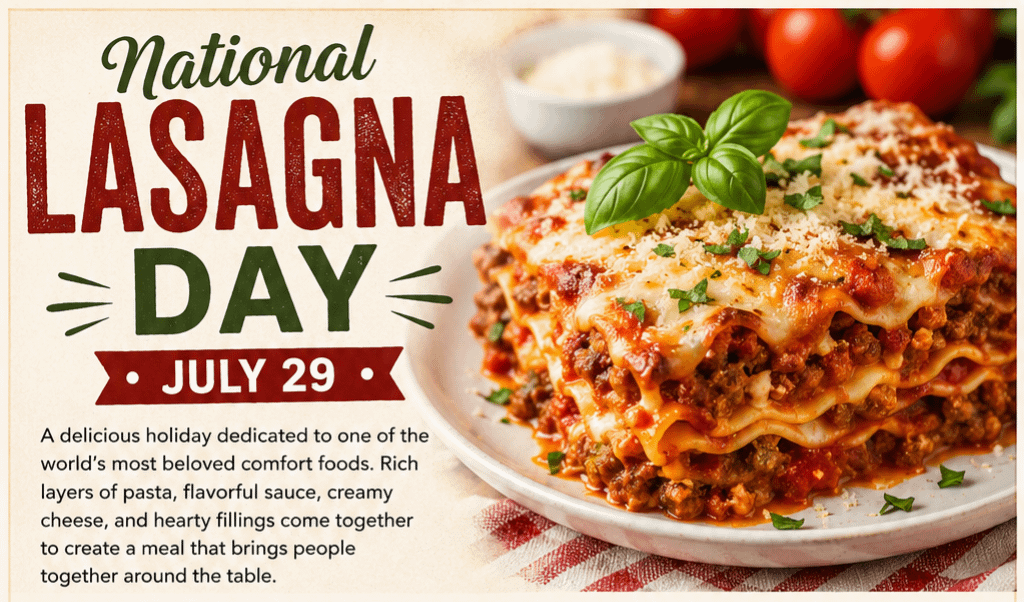
  • National Lasagna Day: Celebrating the World’s Favorite Layered Comfort Food

    National Lasagna Day: Celebrating the World’s Favorite Layered Comfort Food

    Every year on July 29, food lovers across the United States celebrate National Lasagna Day, a delicious holiday dedicated to one of the most comforting and satisfying meals ever created. Rich layers of pasta, flavorful sauce, creamy cheese, and hearty fillings have made lasagna a favorite for generations. Whether it’s served at a Sunday family dinner, a holiday gathering, or a cozy weeknight meal, lasagna has earned its place as one of the world’s most beloved comfort foods.

    National Lasagna Day is more than just an opportunity to enjoy a delicious meal—it’s a chance to celebrate culinary traditions, family recipes, and the joy of gathering around the table with the people who matter most.

    From classic Italian recipes to creative modern twists, lasagna continues to evolve while remaining a timeless favorite enjoyed across the globe.

    The Origins of Lasagna

    Lasagna has a history that stretches back hundreds of years, making it one of the oldest known pasta dishes. While many people associate lasagna exclusively with Italy, its roots can actually be traced to ancient civilizations.

    Historians believe the Ancient Greeks prepared a layered pasta-like dish called Laganon, consisting of flat sheets of dough cut into strips. The Romans later adopted and modified similar recipes as their empire expanded.

    The lasagna we recognize today began to take shape during the Middle Ages in Italy. Regions developed their own unique styles, but one area became especially famous: Emilia-Romagna, where traditional Lasagna alla Bolognese originated. This iconic version features delicate pasta sheets layered with slow-cooked Bolognese meat sauce, creamy béchamel sauce, and Parmigiano-Reggiano cheese.

    As Italian immigrants settled throughout North America during the late 19th and early 20th centuries, they brought cherished family recipes with them. Over time, these recipes adapted to locally available ingredients, giving rise to the American-style lasagna many people know and love today, often featuring ricotta cheese, mozzarella, marinara sauce, ground beef, and Italian sausage.

    Why Lasagna Is So Loved

    Few dishes offer the same level of comfort as a freshly baked pan of lasagna. Every bite combines tender pasta, melted cheese, rich sauces, and savory fillings into a satisfying meal that feels both hearty and comforting.

    Lasagna has remained popular because it offers something for everyone:

    • Rich, layered flavors
    • Endless ingredient combinations
    • Excellent leftovers
    • Great for meal prepping
    • Easy to feed large groups
    • Perfect for holidays and celebrations
    • Freezes beautifully
    • Appeals to both children and adults

    Unlike many meals that are best served immediately, lasagna often tastes even better the next day as the flavors continue to blend together.

    Traditional Lasagna Ingredients

    Although recipes vary widely, most classic lasagnas contain several essential ingredients.

    Pasta

    Wide lasagna noodles create the signature layers. Some recipes use traditional boiled noodles, while others use convenient oven-ready varieties.

    Sauce

    Tomato-based meat sauce is the most common, although creamy white sauces and vegetable sauces are equally delicious.

    Cheese

    Cheese gives lasagna its creamy texture and irresistible flavor.

    Popular cheeses include:

    • Ricotta
    • Mozzarella
    • Parmesan
    • Romano
    • Provolone
    • Cottage cheese (used in some regional recipes)

    Fillings

    Traditional fillings include:

    • Ground beef
    • Italian sausage
    • Meatballs
    • Chicken
    • Spinach
    • Mushrooms
    • Zucchini
    • Eggplant
    • Bell peppers
    • Seafood

    The possibilities are nearly endless.

    Popular Types of Lasagna

    One reason lasagna has remained popular for centuries is its incredible versatility.

    Classic Meat Lasagna

    Layers of pasta, seasoned ground beef, Italian sausage, ricotta, mozzarella, Parmesan, and marinara sauce make this the traditional American favorite.

    Lasagna Bolognese

    The authentic Italian version uses delicate pasta, slow-cooked meat ragù, béchamel sauce, and Parmigiano-Reggiano.

    Vegetable Lasagna

    Packed with zucchini, mushrooms, spinach, onions, squash, peppers, and other fresh vegetables, this lighter option remains incredibly satisfying.

    Chicken Alfredo Lasagna

    Instead of tomato sauce, this creamy variation uses Alfredo sauce with grilled chicken, spinach, and mozzarella cheese.

    White Lasagna

    Made with creamy béchamel or Alfredo sauce instead of marinara, white lasagna offers a rich and elegant flavor profile.

    Seafood Lasagna

    Shrimp, crab, lobster, or scallops paired with creamy sauces create an upscale version perfect for special occasions.

    Mexican Lasagna

    Layers of tortillas replace pasta while taco-seasoned beef, beans, salsa, cheese, and peppers create a fun Tex-Mex variation.

    Gluten-Free Lasagna

    Using gluten-free noodles allows nearly everyone to enjoy this classic comfort food.

    Vegan Lasagna

    Plant-based cheeses, vegetables, lentils, mushrooms, tofu ricotta, and dairy-free sauces make vegan lasagna surprisingly rich and flavorful.

    Fun Facts About Lasagna

    Lasagna has inspired records, traditions, and culinary innovations around the world.

    Here are a few fun facts:

    • Lasagna is considered one of the oldest pasta dishes still enjoyed today.
    • Traditional Italian lasagna often contains fewer ingredients than many American versions.
    • One pan of lasagna can contain dozens of individual layers.
    • Lasagna is one of the most searched comfort food recipes online.
    • It is one of the most common freezer meals prepared by families.
    • Restaurants frequently feature specialty lasagnas made with seasonal ingredients.
    • Lasagna is popular on nearly every continent.

    Why Lasagna Makes the Perfect Family Meal

    Lasagna has long been associated with bringing people together.

    Its generous size makes it ideal for:

    • Family dinners
    • Potluck gatherings
    • Church events
    • Birthday celebrations
    • Holiday meals
    • Neighborhood dinners
    • Meal trains for new parents
    • Helping families during difficult times

    Because it serves many people at once, lasagna naturally encourages conversation, laughter, and togetherness around the dinner table.

    Tips for Making Amazing Lasagna

    If you’re preparing homemade lasagna for National Lasagna Day, these tips can help produce excellent results.

    Let the Sauce Simmer

    A slow-simmered sauce develops deeper flavor than one cooked quickly.

    Don’t Overcook the Noodles

    If boiling traditional noodles, cook them until just al dente since they’ll continue cooking in the oven.

    Use Fresh Cheese

    Freshly shredded mozzarella melts more smoothly than pre-shredded cheese.

    Season Every Layer

    Adding herbs and seasoning throughout the layers creates a more balanced flavor than seasoning only the sauce.

    Let It Rest

    Allow lasagna to rest for 15–20 minutes after baking. This helps the layers set and makes serving much easier.

    Side Dishes That Pair Perfectly with Lasagna

    Complete your National Lasagna Day meal with delicious side dishes.

    Popular options include:

    • Garlic bread
    • Caesar salad
    • Garden salad
    • Roasted vegetables
    • Bruschetta
    • Antipasto salad
    • Breadsticks
    • Caprese salad
    • Italian soup
    • Roasted asparagus

    For dessert, favorites include tiramisu, cannoli, cheesecake, gelato, or chocolate cake.

    Creative Lasagna Ideas

    Modern cooks have transformed lasagna into countless creative dishes.

    Some unique ideas include:

    • Buffalo chicken lasagna
    • Cheeseburger lasagna
    • Taco lasagna
    • Pesto chicken lasagna
    • Breakfast lasagna
    • BBQ pulled pork lasagna
    • Mac and cheese lasagna
    • Ravioli lasagna
    • Pumpkin lasagna
    • Seafood Alfredo lasagna

    These inventive recipes prove that lasagna continues to evolve while maintaining its comforting appeal.

    How to Celebrate National Lasagna Day

    There are many fun ways to enjoy this tasty holiday.

    Cook a Homemade Lasagna

    Gather fresh ingredients and prepare your favorite family recipe.

    Try a New Restaurant

    Visit a local Italian restaurant and sample one of their signature lasagna dishes.

    Organize a Lasagna Cook-Off

    Invite friends or family members to prepare their own version and vote on the favorites.

    Share Your Family Recipe

    Many families have treasured lasagna recipes that have been passed down for generations. National Lasagna Day is the perfect opportunity to preserve those traditions.

    Make an Extra Pan

    Lasagna freezes exceptionally well. Prepare a second pan to enjoy later or deliver it to someone recovering from an illness, welcoming a new baby, or simply needing a thoughtful act of kindness.

    Teach Someone to Cook

    Use National Lasagna Day to introduce children or grandchildren to cooking. Preparing lasagna together creates lasting memories while passing along valuable kitchen skills.

    Lasagna Around the World

    Although Italy remains the birthplace of lasagna, nearly every country has adapted the dish to fit local tastes.

    Around the world you’ll find versions featuring:

    • Spicy chorizo
    • Curry-seasoned vegetables
    • Fresh seafood
    • Regional cheeses
    • Local herbs
    • Unique sauces
    • Seasonal produce

    This ability to adapt while maintaining its comforting nature is one reason lasagna continues to be loved worldwide.

    More Than Just Comfort Food

    Lasagna often represents more than dinner.

    For many people, it reminds them of:

    • Sunday afternoons at Grandma’s house
    • Holiday celebrations
    • Family reunions
    • Church dinners
    • Neighborhood potlucks
    • Acts of kindness from friends
    • Special occasions shared with loved ones

    Food has a remarkable way of preserving memories, and few dishes evoke nostalgia quite like a bubbling pan of homemade lasagna fresh from the oven.

    Final Thoughts

    National Lasagna Day is a celebration of delicious food, cherished family traditions, and the simple joy of sharing a meal with others. Whether you enjoy a classic meat lasagna, a vegetable-packed creation, a creamy white lasagna, or an inventive modern recipe, July 29 is the perfect opportunity to appreciate one of the world’s greatest comfort foods.

    So gather your ingredients, preheat the oven, and invite family or friends to the table. Every layer tells a story, every bite brings comfort, and every shared meal creates memories that last far beyond National Lasagna Day.

    Happy National Lasagna Day!

    Read More Holidays & National Days
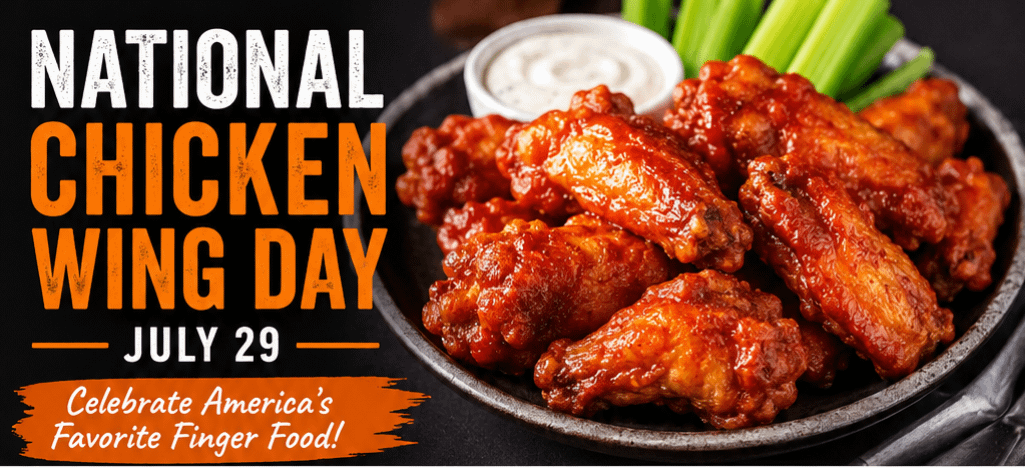
     

  • National Chicken Wing Day: Celebrating America’s Favorite Finger Food

    National Chicken Wing Day: Celebrating America’s Favorite Finger Food

    Every year on July 29, chicken wing lovers across the United States gather around tables filled with crispy, saucy, and flavorful wings to celebrate National Chicken Wing Day. Whether you’re a fan of the classic Buffalo wing, smoky barbecue, tangy garlic parmesan, sweet honey mustard, or fiery ghost pepper, this delicious food holiday honors one of the most popular comfort foods in America.

    Chicken wings have evolved from an inexpensive cut of meat into a culinary sensation that fills sports bars, restaurants, family kitchens, food trucks, and backyard barbecues. They’re served during football games, birthday parties, holiday gatherings, poker nights, and casual dinners with friends. Their versatility, affordability, and endless flavor possibilities have made them a staple in American cuisine.

    National Chicken Wing Day is more than just an excuse to indulge—it’s a celebration of creativity, community, and one of the country’s greatest food traditions.


    The Origins of National Chicken Wing Day

    National Chicken Wing Day was officially proclaimed on July 29, 1977, by Buffalo, New York Mayor Stan Makowski. The proclamation recognized both the city’s growing reputation as the birthplace of Buffalo wings and the tremendous popularity the dish had gained across the country.

    Although chicken wings had existed long before, they were often overlooked or used primarily for soups and stocks. Everything changed during the 1960s when a simple idea transformed the humble wing into an American icon.

    Today, Buffalo proudly embraces its connection to the famous dish, attracting visitors from around the world who want to taste authentic Buffalo wings where it all began.


    The Birth of the Buffalo Wing

    Most food historians trace the Buffalo wing back to 1964 at the famous Anchor Bar in Buffalo, New York.

    According to the most widely accepted story, Teressa Bellissimo needed a quick snack for her son and his friends who arrived late one evening. Instead of discarding the chicken wings or saving them for stock, she deep-fried them until crispy, coated them in a buttery hot sauce, and served them alongside celery sticks and blue cheese dressing.

    The combination was an instant success.

    Customers soon began requesting the wings regularly, and word spread quickly throughout Buffalo before reaching restaurants across the United States.

    While there are a few different versions of the origin story, nearly everyone agrees that Buffalo is where America’s obsession with chicken wings truly began.


    Why Chicken Wings Became So Popular

    Chicken wings possess a unique combination of qualities that have helped them remain popular for decades.

    They are:

    • Easy to eat while socializing
    • Perfect for sharing
    • Incredibly customizable
    • Affordable compared to many other meats
    • Great for parties and sporting events
    • Delicious with hundreds of sauces and seasonings

    Unlike many foods that come and go with trends, chicken wings continue growing in popularity because they appeal to every generation.

    Children enjoy mild barbecue flavors, while adventurous eaters seek out sauces made with Carolina Reaper peppers or ghost peppers. Everyone can find a favorite.


    An Explosion of Flavor

    One reason wings remain so exciting is the incredible variety of flavors available.

    Traditional Favorites

    • Buffalo Mild
    • Medium Buffalo
    • Hot Buffalo
    • Extra Hot
    • Honey BBQ
    • Garlic Parmesan
    • Lemon Pepper
    • Teriyaki
    • Sweet Chili

    Regional Favorites

    • Alabama White Sauce
    • Nashville Hot
    • Cajun
    • Memphis Dry Rub
    • Kansas City BBQ
    • Carolina Gold Mustard

    International Inspiration

    Modern wing restaurants draw inspiration from around the world.

    Popular international flavors include:

    • Korean Gochujang
    • Thai Sweet Chili
    • Jamaican Jerk
    • Japanese Teriyaki
    • Honey Sriracha
    • Garlic Soy
    • Vietnamese Chili Lime
    • Chipotle Lime
    • Mango Habanero
    • Bourbon Maple

    New flavors appear every year as chefs continue experimenting with unique spice blends and homemade sauces.


    Cooking Methods That Create Amazing Wings

    One of the best things about chicken wings is that they can be prepared in several different ways.

    Deep Fried

    The traditional Buffalo method creates an extremely crispy exterior while keeping the meat juicy.

    Oven Baked

    Baking allows home cooks to create healthier wings while still achieving crispy skin when cooked properly.

    Air Fried

    Air fryers have become incredibly popular because they produce crispy wings with significantly less oil.

    Smoked

    Smoking wings over hardwood gives them rich flavor that pairs beautifully with barbecue sauces.

    Grilled

    Grilling adds a charred, smoky finish that’s perfect for summer cookouts.

    Each cooking method creates a unique texture, giving wing lovers endless opportunities to experiment.


    The Great Ranch vs. Blue Cheese Debate

    Few food discussions spark as much friendly debate as choosing the perfect dipping sauce.

    Blue Cheese Fans Say:

    • It balances spicy Buffalo sauce.
    • It has authentic Buffalo roots.
    • The creamy texture complements crispy wings.

    Ranch Lovers Say:

    • It has a milder flavor.
    • It pairs well with nearly every sauce.
    • It’s popular with both kids and adults.

    Fortunately, there’s no wrong answer. Many wing lovers simply enjoy both.


    Chicken Wings and Sports

    Chicken wings have become synonymous with sporting events.

    Whether it’s football, basketball, baseball, hockey, or college sports, wings are one of the most ordered foods during games.

    The Super Bowl alone sees Americans consume well over one billion chicken wings, making it one of the busiest days of the year for wing restaurants and grocery stores.

    Sports bars often feature wing specials during games because they’re easy to share while watching the action.


    Wing Competitions Around the Country

    Chicken wings have inspired countless contests, including:

    • Hot wing eating competitions
    • Wing sauce contests
    • Restaurant cook-offs
    • Barbecue festivals
    • Buffalo wing festivals
    • Amateur backyard competitions

    These events celebrate both cooking skill and adventurous appetites.


    Tips for Making Restaurant-Quality Wings at Home

    If you’re preparing wings yourself, these tips can help elevate your results.

    Buy Fresh Wings

    Fresh wings generally provide better texture than frozen ones.

    Pat Them Dry

    Removing moisture before cooking helps produce crispier skin.

    Season Before Cooking

    Salt, pepper, garlic powder, onion powder, paprika, and cayenne create an excellent foundation before sauce is added.

    Use Baking Powder

    Many home cooks lightly coat wings with aluminum-free baking powder before baking to encourage extra crispy skin.

    Don’t Overcrowd the Pan

    Leaving space between wings allows hot air to circulate evenly.

    Toss Immediately After Cooking

    Hot wings absorb sauce much better than cooled wings.


    Creative Wing Sauces to Try

    Looking for something different?

    Consider making homemade versions of:

    • Maple Bourbon BBQ
    • Honey Garlic Butter
    • Pineapple Teriyaki
    • Cajun Garlic
    • Brown Sugar Chipotle
    • Parmesan Herb
    • Garlic Buffalo
    • Smoky Bourbon
    • Sweet Thai Chili
    • Caribbean Mango
    • Nashville Hot Butter
    • Honey Sriracha

    Homemade sauces let you control sweetness, spice, and ingredients.


    Perfect Side Dishes

    A great plate of wings deserves equally delicious sides.

    Popular pairings include:

    • Celery sticks
    • Carrot sticks
    • Blue cheese dressing
    • Ranch dressing
    • French fries
    • Onion rings
    • Tater tots
    • Macaroni and cheese
    • Coleslaw
    • Cornbread
    • Potato wedges
    • Baked beans
    • Pasta salad
    • Pickles

    These classic sides help balance spicy flavors while creating a complete meal.


    Fun Ways to Celebrate National Chicken Wing Day

    Looking for ideas beyond simply ordering takeout?

    Host a Wing Flight

    Prepare several sauces and let guests vote for their favorite.

    Have a Backyard Cookout

    Grill or smoke wings while enjoying summer weather.

    Visit a Local Restaurant

    Support small businesses celebrating the holiday with special promotions.

    Create Your Own Signature Sauce

    Experiment with ingredients until you discover your perfect recipe.

    Organize a Friendly Wing Contest

    Invite family members to bring their best homemade wings.

    Watch Sports Together

    Even in the offseason, wings make movie nights and sporting events even better.


    Fun Facts About Chicken Wings

    • Buffalo wings were invented in the 1960s.
    • National Chicken Wing Day has been celebrated since 1977.
    • Americans consume billions of chicken wings every year.
    • There are thousands of wing restaurants across North America.
    • Some restaurants offer more than 50 different sauces.
    • Chicken wings have inspired television eating competitions worldwide.
    • Air fryers have dramatically increased homemade wing popularity.
    • Buffalo remains known worldwide as the birthplace of Buffalo wings.

    Why We Love Chicken Wings

    Chicken wings represent more than just great food—they represent shared experiences.

    Think about some of life’s most memorable gatherings:

    • Watching the big game with friends
    • Birthday celebrations
    • Family reunions
    • Graduation parties
    • Backyard barbecues
    • Friday night dinners
    • Casual nights out

    There’s a good chance chicken wings have been part of many of those moments.

    They’re messy, flavorful, satisfying, and meant to be enjoyed together. Few foods create conversation, laughter, and friendly competition quite like a basket of hot wings.


    Celebrate National Chicken Wing Day

    On July 29, take time to appreciate one of America’s greatest culinary creations. Visit your favorite wing restaurant, fire up the grill, break out the air fryer, or try making homemade Buffalo wings from scratch.

    Whether you enjoy them extra spicy, sweet and smoky, dry-rubbed, or dripping with classic Buffalo sauce, National Chicken Wing Day is the perfect opportunity to gather with family and friends over a meal that has become an American tradition.

    So grab plenty of napkins, choose your favorite dipping sauce, and dig into a plate of crispy chicken wings. It’s a celebration that’s equal parts delicious, fun, and unforgettable.

    Read More Holidays & National Days


  • National Milk Chocolate Day – July 28

    National Milk Chocolate Day – July 28

    Celebrate the Sweet Treat That Has Delighted Generations

    Every year on July 28, chocolate lovers across the United States celebrate National Milk Chocolate Day, a delicious holiday dedicated to one of the world’s most popular confections. Whether enjoyed as a candy bar, melted into desserts, paired with fruit, or simply savored on its own, milk chocolate has become a timeless favorite for people of all ages.

    Its smooth, creamy texture and balanced sweetness make it one of the most beloved treats in the world. National Milk Chocolate Day is the perfect excuse to indulge in your favorite chocolate creation and learn a little about the history behind this iconic sweet.

    The History of Milk Chocolate

    Chocolate’s story begins thousands of years ago with the ancient civilizations of Central and South America. The Maya and Aztecs prized cacao beans and used them to create a bitter beverage that was often reserved for royalty and religious ceremonies.

    Chocolate eventually made its way to Europe during the 16th century, where sugar was added to make it more appealing to European tastes. However, it wasn’t until the 19th century that milk chocolate was created.

    In 1875, Swiss chocolatier Daniel Peter successfully combined chocolate with condensed milk developed by his neighbor, Henri Nestlé. The result was a smoother, creamier chocolate that quickly became popular around the world. This innovation transformed the chocolate industry and laid the foundation for many of today’s favorite candy bars.

    Why Milk Chocolate Is So Popular

    Milk chocolate strikes the perfect balance between sweetness and rich cocoa flavor. Compared to dark chocolate, it contains:

    • Cocoa solids
    • Cocoa butter
    • Milk or milk powder
    • Sugar
    • Vanilla (in many recipes)

    The added milk creates a softer texture and milder taste, making it especially appealing to children and adults who prefer a sweeter chocolate experience.

    Today, milk chocolate is used in everything from candy bars and cookies to cakes, hot chocolate, ice cream, and gourmet desserts.

    Fun Facts About Milk Chocolate

    • Milk chocolate is one of the best-selling chocolate varieties worldwide.
    • The average American enjoys several pounds of chocolate each year.
    • Chocolate contains compounds that may help boost mood by stimulating the release of endorphins.
    • Switzerland consistently ranks among the countries with the highest chocolate consumption.
    • Many classic candy bars are made primarily with milk chocolate.

    Delicious Ways to Celebrate

    National Milk Chocolate Day offers countless opportunities to satisfy your sweet tooth.

    Enjoy Your Favorite Candy Bar

    Sometimes the simplest celebration is the best. Pick up your favorite milk chocolate bar and savor every bite.

    Bake Something Sweet

    Milk chocolate is perfect for:

    • Chocolate chip cookies
    • Brownies
    • Cupcakes
    • Chocolate cake
    • Cheesecake
    • Chocolate-covered strawberries

    Make Homemade Hot Chocolate

    Melt quality milk chocolate into warm milk for an incredibly rich and creamy homemade hot chocolate.

    Host a Chocolate Tasting

    Compare different brands and cocoa percentages to discover subtle differences in flavor, texture, and sweetness.

    Share the Sweetness

    Give a box of chocolates to a friend, coworker, or family member. Chocolate has a wonderful way of bringing smiles to people’s faces.

    Pairing Ideas

    Milk chocolate pairs wonderfully with many foods and beverages, including:

    • Fresh strawberries
    • Bananas
    • Pretzels
    • Salted nuts
    • Peanut butter
    • Caramel
    • Marshmallows
    • Coffee
    • Hot cocoa
    • Red wine (for those who enjoy wine responsibly)

    These combinations create a balance of sweet and savory flavors that enhance the chocolate experience.

    Can Milk Chocolate Be Part of a Healthy Lifestyle?

    Like many treats, moderation is key. While milk chocolate contains sugar and fat, it also provides small amounts of calcium, magnesium, and antioxidants from cocoa.

    Enjoying a modest serving as part of a balanced diet can satisfy cravings without overindulging. Choosing quality chocolate and practicing portion control allows you to enjoy the experience while maintaining healthy habits.

    A Sweet Tradition Worth Celebrating

    National Milk Chocolate Day reminds us that life’s simplest pleasures are often the sweetest. Whether you’re enjoying a classic candy bar, baking with loved ones, or creating a decadent dessert, this holiday offers the perfect opportunity to slow down and enjoy a timeless treat.

    So on July 28, unwrap your favorite piece of milk chocolate, share some with someone you care about, and celebrate one of the world’s most cherished indulgences—one delicious bite at a time.

    Read More Holidays & National Days

  • National Love Is Kind Day: Choosing Compassion Over Control

    National Love Is Kind Day: Choosing Compassion Over Control

    National Love Is Kind Day, observed each year on July 27, serves as a powerful reminder that genuine love is rooted in kindness, respect, and compassion. Created to encourage healthy relationships and raise awareness about emotional and physical abuse, this day reminds us that love should never cause fear, pain, or isolation.

    Whether in a romantic relationship, a friendship, or within a family, love should make us feel valued, supported, and safe. National Love Is Kind Day encourages everyone to reflect on what healthy love truly looks like and to help create relationships built on trust and empathy.

    The Meaning Behind National Love Is Kind Day

    The day was established by the Love is Kind Network, an organization founded to educate people about healthy relationships and to support those experiencing abuse. Its message is simple but profound:

    Love is kind.

    Real love does not manipulate, threaten, control, or humiliate. Instead, it encourages growth, celebrates individuality, and offers unwavering support during life’s challenges.

    By promoting kindness as the foundation of every relationship, National Love Is Kind Day inspires people to recognize unhealthy behaviors and choose relationships that bring peace rather than pain.

    What Kind Love Looks Like

    Healthy love is demonstrated through everyday actions more than grand romantic gestures. It often includes:

    • Listening without interrupting or judging.
    • Respecting personal boundaries.
    • Supporting each other’s dreams and goals.
    • Communicating honestly and respectfully.
    • Showing patience during disagreements.
    • Celebrating successes together.
    • Offering forgiveness while maintaining healthy boundaries.
    • Making each other feel safe emotionally and physically.

    Kindness in love isn’t weakness—it requires strength, humility, and intentional effort.

    Signs of an Unhealthy Relationship

    National Love Is Kind Day also encourages awareness of behaviors that should never be mistaken for love.

    Warning signs may include:

    • Constant criticism or insults.
    • Extreme jealousy or possessiveness.
    • Isolation from friends and family.
    • Controlling finances or daily activities.
    • Manipulation through guilt or fear.
    • Threats or intimidation.
    • Physical or emotional abuse.
    • Making someone feel responsible for another person’s anger.

    These behaviors are about control—not love.

    Recognizing these signs early can help individuals seek support and build healthier futures.

    Why Kindness Matters

    Kindness creates emotional safety.

    When people feel respected and accepted, they are more likely to communicate openly, resolve conflicts peacefully, and build lasting trust.

    Small acts of kindness can strengthen relationships every day:

    • Saying “thank you.”
    • Offering encouragement.
    • Apologizing sincerely.
    • Spending quality time together.
    • Checking in during difficult moments.
    • Showing appreciation regularly.

    These simple actions often have a greater impact than expensive gifts or elaborate surprises.

    Ways to Celebrate National Love Is Kind Day

    There are many meaningful ways to observe the day:

    Show Appreciation

    Tell someone how much they mean to you. A heartfelt conversation, handwritten note, or unexpected act of kindness can make someone’s day.

    Practice Better Communication

    Take time to truly listen instead of preparing your next response. Understanding strengthens every relationship.

    Support Someone in Need

    If someone you know is struggling in an unhealthy relationship, offer a listening ear without judgment. Sometimes knowing someone cares is the first step toward healing.

    Perform Random Acts of Kindness

    Kindness isn’t limited to romantic relationships. Hold a door open, help a neighbor, volunteer, or simply smile at someone having a difficult day.

    Reflect on Your Relationships

    Ask yourself:

    • Do I feel respected?
    • Do I feel safe?
    • Am I showing kindness consistently?
    • Am I receiving kindness in return?

    Healthy relationships should bring peace, not fear.

    Quotes About Kindness and Love

    “Love grows best where kindness is planted.”

    “Respect is one of the greatest expressions of love.”

    “True love never seeks to control—it seeks to encourage.”

    “Kind words have the power to heal hearts.”

    A Reminder Worth Carrying Every Day

    National Love Is Kind Day isn’t only about one day on the calendar. It’s about creating a culture where kindness becomes the standard in every relationship.

    Every conversation, every act of patience, every word of encouragement, and every moment of respect builds stronger connections. Love isn’t measured by dramatic gestures but by the consistent choice to care for another person’s well-being.

    When kindness becomes the language of love, relationships become places where people can flourish, heal, and grow together.

    Final Thoughts

    National Love Is Kind Day reminds us that healthy love is never controlling, harmful, or conditional. It is patient, respectful, compassionate, and encouraging. Whether you’re strengthening an existing relationship, supporting a friend, or simply choosing to spread more kindness in your community, your actions can make a lasting difference.

    Today, choose kindness. Speak with compassion. Love with respect. Because the strongest relationships are built not on perfection—but on kindness.

    Read More Holidays & National Days

  • National Crème Brûlée Day: Celebrating France’s Most Iconic Dessert

    National Crème Brûlée Day: Celebrating France’s Most Iconic Dessert

    National Crème Brûlée Day is celebrated every year on July 27, honoring one of the world’s most elegant and beloved desserts. With its silky smooth vanilla custard hidden beneath a perfectly caramelized sugar crust, crème brûlée has become a symbol of fine dining, timeless culinary tradition, and simple indulgence.

    Whether you enjoy it at a five-star restaurant or make it in your own kitchen, National Crème Brûlée Day is the perfect excuse to crack through that signature caramel topping and savor every creamy bite.


    What Is Crème Brûlée?

    Crème brûlée, which translates from French as “burnt cream,” is a rich custard dessert made with just a handful of ingredients:

    • Heavy cream
    • Egg yolks
    • Sugar
    • Vanilla

    After the custard is baked until perfectly set and chilled, a thin layer of sugar is sprinkled over the top and caramelized with a culinary torch (or broiler), creating the dessert’s famous crisp, glass-like shell.

    The contrast between the crunchy caramelized sugar and the velvety custard underneath is what makes crème brûlée unforgettable.


    The History of Crème Brûlée

    Although crème brûlée is widely associated with French cuisine, its exact origins remain a topic of debate.

    Several countries claim to have invented similar desserts:

    • France credits recipes dating back to the late 1600s.
    • England features a nearly identical dessert known as Trinity Cream or Cambridge Burnt Cream.
    • Spain has long served Crema Catalana, another caramel-topped custard dating back centuries.

    The first known printed recipe resembling modern crème brûlée appeared in the 1691 French cookbook Le Cuisinier Royal et Bourgeois by François Massialot.

    Today, regardless of its exact birthplace, crème brûlée is enjoyed around the globe.


    Why People Love Crème Brûlée

    Crème brûlée has remained popular for centuries because it perfectly balances simplicity with elegance.

    People love it because it offers:

    • A satisfying crack when breaking the sugar crust.
    • Rich, creamy vanilla flavor.
    • A beautiful presentation.
    • Endless flavor variations.
    • A dessert that’s both comforting and luxurious.

    Its minimalist ingredient list proves that exceptional desserts don’t require dozens of ingredients.


    Popular Crème Brûlée Flavors

    While classic vanilla remains the favorite, creative chefs have introduced countless variations.

    Popular options include:

    • Chocolate
    • Espresso
    • Salted caramel
    • Lavender
    • Lemon
    • Orange
    • Pistachio
    • Coconut
    • Matcha
    • Pumpkin spice
    • Raspberry
    • White chocolate
    • Bourbon vanilla

    Seasonal fruits and spices can transform this classic into something entirely new while maintaining its signature creamy texture.


    Tips for Making Perfect Crème Brûlée

    If you’re making crème brûlée at home, a few techniques can make all the difference.

    1. Use Fresh Ingredients

    High-quality cream, fresh eggs, and real vanilla create the richest flavor.

    2. Bake Gently

    Custards are delicate. Bake them in a water bath to prevent curdling and create a silky texture.

    3. Chill Completely

    Allow the custards to cool and refrigerate for several hours before caramelizing the sugar.

    4. Caramelize Just Before Serving

    The sugar topping should be torched moments before eating so it stays crisp.

    5. Don’t Burn the Sugar

    Aim for a deep amber color—not black. A properly caramelized crust adds sweetness without bitterness.


    Fun Facts About Crème Brûlée

    • The caramel topping reaches temperatures over 300°F while torching.
    • It became one of America’s most popular restaurant desserts during the 1980s.
    • Many chefs consider crème brûlée a benchmark dessert because it tests precision and technique.
    • The “crack” made by tapping the sugar shell is one of the dessert’s most recognizable features.
    • Vanilla bean is traditionally preferred over vanilla extract for its richer flavor and beautiful specks.

    Ways to Celebrate National Crème Brûlée Day

    Looking for delicious ways to celebrate?

    • Visit your favorite French restaurant.
    • Try making crème brûlée from scratch.
    • Experiment with a new flavor.
    • Host a dessert tasting with friends.
    • Learn to use a kitchen torch safely.
    • Pair crème brûlée with coffee, espresso, or dessert wine.
    • Share your creation on social media using #NationalCremeBruleeDay.

    A Simple Crème Brûlée Recipe

    Ingredients

    • 2 cups heavy cream
    • 5 egg yolks
    • ½ cup granulated sugar
    • 1 teaspoon vanilla extract (or one vanilla bean)
    • Extra sugar for caramelizing

    Directions

    1. Preheat the oven to 325°F.
    2. Warm the cream with the vanilla until steaming but not boiling.
    3. Whisk the egg yolks and sugar until pale.
    4. Slowly pour the warm cream into the egg mixture while whisking.
    5. Divide the mixture among ramekins.
    6. Bake in a water bath for 35–40 minutes, until just set.
    7. Chill for at least four hours.
    8. Sprinkle each custard with a thin layer of sugar.
    9. Torch until golden brown.
    10. Allow the sugar to harden for one minute before serving.

    Pairing Ideas

    Crème brûlée pairs beautifully with:

    • Fresh berries
    • Chocolate-covered strawberries
    • Espresso
    • Cappuccino
    • Fresh whipped cream
    • Shortbread cookies
    • Champagne
    • Dessert wines
    • Port wine

    The balance of creamy sweetness and crisp caramel makes it versatile enough for nearly any elegant meal.


    Why National Crème Brûlée Day Matters

    National Crème Brûlée Day reminds us that some of life’s greatest pleasures come from simple ingredients prepared with care. The dessert has endured for centuries because it combines artistry, technique, and unforgettable flavor in every spoonful.

    Whether you’re discovering crème brûlée for the first time or enjoying a longtime favorite, July 27 is the perfect opportunity to celebrate one of the world’s most iconic desserts.

    So grab a spoon, crack through that caramelized sugar topping, and enjoy every creamy bite. Happy National Crème Brûlée Day!

    Read More Holidays & National Days
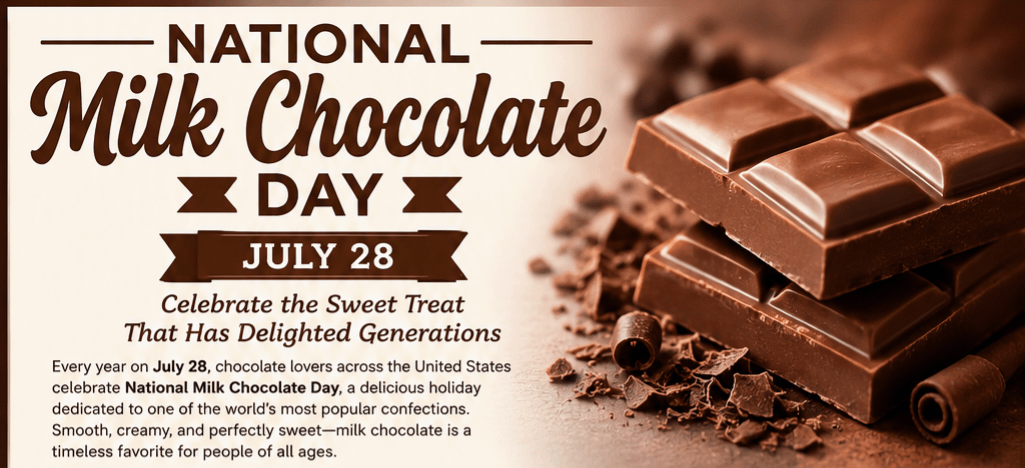
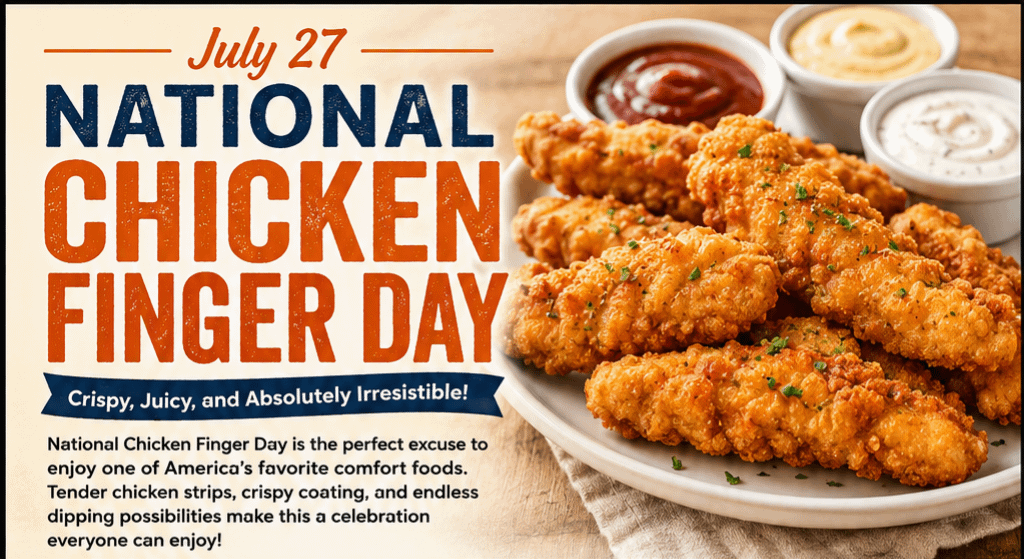
  • National Chicken Finger Day: Celebrate One of America’s Favorite Comfort Foods

    National Chicken Finger Day: Celebrate One of America’s Favorite Comfort Foods

    National Chicken Finger Day is the perfect excuse to enjoy one of the most popular comfort foods in America. Whether you like them crispy, spicy, grilled, or dunked in your favorite sauce, chicken fingers have become a menu staple for families, sports fans, and food lovers alike.

    Observed each year on July 27, National Chicken Finger Day celebrates the simple combination of tender strips of chicken coated in seasoned breading and cooked until golden brown. They’re easy to share, perfect for dipping, and loved by kids and adults alike.


    What Are Chicken Fingers?

    Chicken fingers (also called chicken tenders, chicken strips, or chicken fillets in some regions) are strips of chicken breast that are breaded and fried or baked until crispy on the outside while remaining juicy inside.

    Unlike chicken nuggets, which are often made from processed chicken, traditional chicken fingers are typically cut directly from whole chicken breast meat, giving them a tender texture and satisfying bite.


    The History of Chicken Fingers

    While fried chicken has existed for centuries, chicken fingers are a relatively modern invention.

    Most food historians believe chicken fingers became popular during the 1970s and 1980s as restaurants looked for convenient, handheld menu items that appealed to families. Their versatility quickly made them a favorite in diners, sports bars, school cafeterias, and fast-food restaurants.

    Today, they’re served in countless variations around the world, from classic Southern-style recipes to spicy Nashville-inspired versions and gourmet restaurant creations.


    Why Chicken Fingers Are So Popular

    Few foods have universal appeal quite like chicken fingers.

    Some reasons people love them include:

    • Crispy, golden coating
    • Tender, juicy chicken breast
    • Easy to eat with your hands
    • Perfect for dipping
    • Kid-friendly yet loved by adults
    • Great for meals, snacks, parties, and game days

    Whether served with fries, coleslaw, macaroni and cheese, or a fresh salad, chicken fingers fit nearly every occasion.


    Best Dipping Sauces

    One of the best parts of eating chicken fingers is choosing your favorite dipping sauce.

    Popular options include:

    • Honey mustard
    • Ranch dressing
    • BBQ sauce
    • Buffalo sauce
    • Honey BBQ
    • Chipotle mayo
    • Garlic parmesan sauce
    • Sweet chili sauce
    • Ketchup
    • Spicy aioli

    Many people enjoy mixing sauces to create their own signature combination.


    Homemade Chicken Fingers Recipe

    Ingredients

    • 2 boneless, skinless chicken breasts
    • 1½ cups all-purpose flour
    • 2 eggs
    • 2 tablespoons milk
    • 2 cups seasoned breadcrumbs or panko
    • 1 teaspoon paprika
    • 1 teaspoon garlic powder
    • 1 teaspoon onion powder
    • ½ teaspoon black pepper
    • 1 teaspoon salt
    • Vegetable oil for frying

    Instructions

    1. Slice chicken breasts into strips.
    2. Mix flour with half the seasonings.
    3. Beat eggs with milk.
    4. Combine breadcrumbs with remaining seasonings.
    5. Coat chicken in flour.
    6. Dip into egg mixture.
    7. Cover completely with breadcrumbs.
    8. Fry in 350°F oil for 4–5 minutes per side until golden brown and the internal temperature reaches 165°F.
    9. Drain on paper towels.
    10. Serve immediately with your favorite dipping sauces.

    For a lighter version, bake at 425°F for 20–25 minutes, flipping halfway through, or cook in an air fryer at 400°F for 10–12 minutes.


    Fun Chicken Finger Facts

    • Chicken fingers are among the most-ordered items at family restaurants.
    • Panko breadcrumbs create an extra-crispy texture.
    • Air fryers have made homemade chicken fingers healthier and easier than ever.
    • National Chicken Finger Day falls during summer, making it perfect for picnics, parties, and backyard gatherings.
    • Chicken fingers pair well with everything from French fries to waffles.

    Ways to Celebrate National Chicken Finger Day

    Celebrate this delicious food holiday by:

    • Making homemade chicken fingers
    • Trying a new dipping sauce
    • Visiting your favorite local restaurant
    • Hosting a chicken finger tasting party
    • Creating a chicken finger bar with different sauces
    • Sharing your meal on social media using #NationalChickenFingerDay

    Perfect Side Dishes

    Complete your meal with:

    • French fries
    • Onion rings
    • Coleslaw
    • Macaroni and cheese
    • Corn on the cob
    • Potato salad
    • Baked beans
    • Garden salad
    • Sweet potato fries
    • Pickles

    Why We Love National Chicken Finger Day

    Sometimes the best foods are also the simplest. Chicken fingers deliver everything people enjoy in comfort food—crispy coating, juicy chicken, and endless possibilities for dipping sauces. They’re perfect for family dinners, game nights, quick lunches, or celebrating with friends.

    National Chicken Finger Day reminds us that great food doesn’t have to be complicated. Sometimes all it takes is perfectly cooked chicken, a crispy coating, and your favorite sauce to create a meal everyone can enjoy.

    Whether you order them from your favorite restaurant or make a fresh batch at home, July 27 is the perfect day to celebrate one of America’s most beloved comfort foods.

    Read More Holidays & National Days

  • National Scotch Day – Celebrating Scotland’s Most Iconic Spirit

    National Scotch Day – Celebrating Scotland’s Most Iconic Spirit

    National Scotch Day is celebrated every year on July 27, giving whiskey lovers around the world an opportunity to raise a glass to one of Scotland’s greatest contributions to history, culture, and craftsmanship. Whether you enjoy a smoky Islay Scotch, a smooth Speyside single malt, or a rich blended Scotch whisky, this day is about appreciating centuries of tradition, skilled distilling, and unforgettable flavor.

    From the misty Scottish Highlands to bars and homes across the globe, Scotch whisky has become a symbol of patience, quality, and heritage.

    What Is Scotch Whisky?

    Scotch whisky is a distilled spirit that must be made in Scotland following strict legal standards. To earn the name “Scotch,” the whisky must:

    • Be distilled and matured in Scotland.
    • Be aged in oak barrels for at least three years.
    • Contain only water, malted barley (plus other grains for certain styles), and yeast.
    • Meet rigorous production and labeling regulations.

    These standards help preserve the authenticity and reputation of Scotch whisky throughout the world.

    A Brief History of Scotch

    The origins of Scotch whisky date back hundreds of years. Distillation techniques were introduced to Scotland by monks as early as the 15th century. The earliest written record of Scotch appears in 1494, when government tax records documented malt being used to produce whisky.

    Over the centuries, Scottish distillers refined their methods, creating unique regional styles influenced by local water sources, climate, peat, and traditional production techniques.

    Today, Scotch is exported to more than 180 countries and remains one of Scotland’s most recognized products worldwide.

    The Five Major Scotch Regions

    Each Scotch-producing region offers its own distinctive character.

    Speyside

    Known for elegant, fruity, and sweet whiskies with notes of honey, vanilla, apples, and pears. This region contains the highest concentration of distilleries in Scotland.

    Highlands

    The largest whisky-producing region, offering tremendous variety ranging from light floral expressions to bold, spicy, full-bodied malts.

    Islay

    Famous for intensely smoky, peaty whiskies featuring flavors of sea salt, iodine, campfire smoke, and rich earthiness.

    Lowlands

    Typically lighter and smoother, making these whiskies approachable for beginners with gentle floral and grassy notes.

    Campbeltown

    Once the whisky capital of Scotland, Campbeltown now produces distinctive whiskies known for complexity, maritime character, and subtle smoky flavors.

    Single Malt vs. Blended Scotch

    Many people wonder about the difference between the two.

    Single Malt Scotch

    • Produced at one distillery.
    • Made entirely from malted barley.
    • Often showcases the unique character of one location.

    Blended Scotch

    • Combines whiskies from multiple distilleries.
    • Can include both malt and grain whiskies.
    • Designed for consistency and balance.

    Both styles offer outstanding quality, and the best choice comes down to personal preference.

    How to Enjoy Scotch

    There is no single “correct” way to drink Scotch. Some popular methods include:

    • Neat, to appreciate every aroma and flavor.
    • With a few drops of water to open the whisky’s character.
    • Over a large ice cube for a slower chill.
    • In classic cocktails such as the Rob Roy, Rusty Nail, or Scotch Old Fashioned.

    The best way to enjoy Scotch is the way you enjoy it most.

    Food Pairings

    Scotch pairs wonderfully with many foods, including:

    • Aged cheddar and blue cheese
    • Smoked salmon
    • Grilled steak
    • Dark chocolate
    • Roasted nuts
    • Charcuterie boards
    • Shortbread cookies

    Matching food with different Scotch styles can create a memorable tasting experience.

    Fun Facts About Scotch

    • “Whisky” is spelled without the “e” in Scotland.
    • Some premium Scotch whiskies are aged for 30, 40, or even 50 years.
    • Scotland is home to well over 100 active whisky distilleries.
    • Oak barrels previously used for bourbon or sherry are commonly used to mature Scotch.
    • The color of Scotch comes naturally from the aging process inside oak casks.

    Ways to Celebrate National Scotch Day

    Whether you’re a longtime enthusiast or simply curious, there are many ways to celebrate responsibly:

    • Sample a new Scotch you’ve never tried.
    • Visit a local whisky tasting event.
    • Learn about Scotland’s whisky-making traditions.
    • Pair Scotch with your favorite meal or dessert.
    • Share a toast with friends and family.
    • Build a tasting flight featuring different Scotch regions.
    • Watch a documentary about Scottish distilling history.

    Drink Responsibly

    National Scotch Day is about appreciation—not excess. Enjoy quality over quantity, savor each sip, and always drink responsibly. Never drink and drive, and be mindful of local laws and age requirements.

    Raising a Glass to Tradition

    National Scotch Day honors more than just an exceptional spirit—it celebrates centuries of craftsmanship, Scottish heritage, and the patience required to create something truly remarkable. Every bottle tells a story of tradition, skilled distillers, and time spent maturing into something special.

    Whether you prefer a delicate Speyside single malt or a bold, smoky Islay whisky, July 27 is the perfect day to slow down, appreciate the artistry behind every pour, and toast to one of the world’s most celebrated spirits.

    Happy National Scotch Day! Slàinte!

    Read More Holidays & National Days
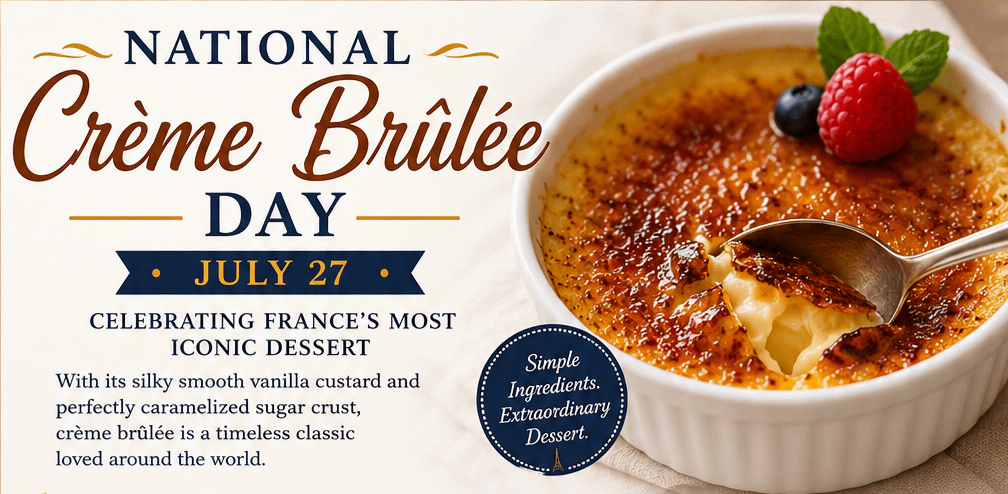
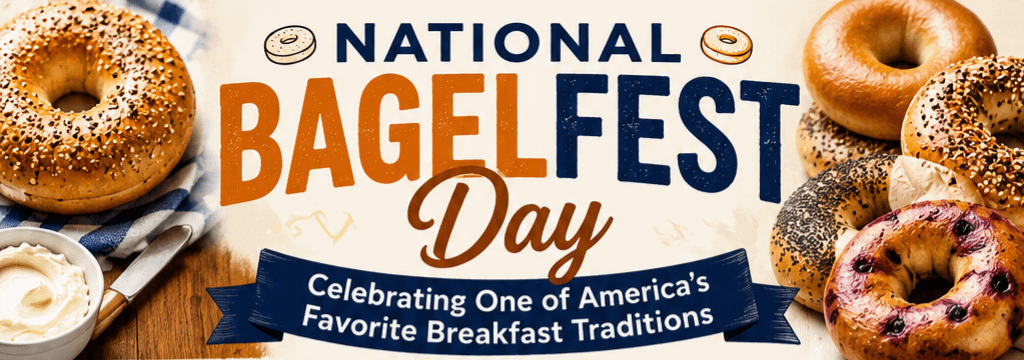
  • National BagelFest Day: Celebrating One of America’s Favorite Breakfast Traditions

    National BagelFest Day: Celebrating One of America’s Favorite Breakfast Traditions

    National BagelFest Day is a delicious celebration dedicated to one of the world’s most beloved breads—the bagel. Whether you enjoy yours toasted with cream cheese, piled high with smoked salmon, or transformed into a breakfast sandwich, this special day recognizes the rich history, unique craftsmanship, and incredible versatility of the humble bagel.

    For food lovers across the United States, National BagelFest Day is the perfect excuse to visit a local bakery, try a new flavor, or gather friends and family for a bagel-filled breakfast.

    The History Behind National BagelFest Day

    National BagelFest Day traces its roots to Mattoon, Illinois, home of the annual BagelFest celebration. The festival was created in 1986 to honor the bagel industry and celebrate the contributions of the Lender’s Bagels bakery, which played a significant role in bringing bagels into homes across America.

    What began as a local community festival quickly became a cherished annual event featuring live entertainment, food vendors, family activities, contests, and of course, thousands of fresh bagels. Over the years, National BagelFest Day has become an opportunity for bagel lovers everywhere to celebrate this iconic baked good.

    A Brief History of the Bagel

    The bagel’s story stretches back hundreds of years. Historians generally believe it originated in Poland during the 1600s, where Jewish bakers developed the distinctive ring-shaped bread.

    Unlike ordinary bread, bagels are:

    • Boiled before baking
    • Dense and chewy
    • Crisp on the outside
    • Soft and flavorful inside

    Jewish immigrants brought traditional bagel recipes to North America in the late 19th century, particularly to New York City, where the bagel became an essential part of American breakfast culture.

    Today, bagels are enjoyed worldwide in countless varieties.

    Why Bagels Are So Popular

    Part of the bagel’s lasting appeal comes from its versatility.

    It can be:

    • A quick breakfast
    • A hearty lunch
    • A healthy snack
    • A gourmet sandwich
    • A sweet dessert

    Bagels pair wonderfully with everything from cream cheese and butter to eggs, avocado, turkey, vegetables, smoked salmon, bacon, fruit spreads, and even peanut butter.

    Few baked goods offer so many possibilities.

    Popular Bagel Flavors

    Traditional favorites include:

    • Plain
    • Sesame
    • Everything
    • Poppy Seed
    • Onion
    • Garlic
    • Salt
    • Cinnamon Raisin
    • Blueberry
    • Asiago Cheese

    Many bakeries now create seasonal varieties featuring jalapeño cheddar, pumpkin spice, French toast, chocolate chip, rainbow, and even gluten-free options.

    Classic Bagel Toppings

    Some of the most popular combinations include:

    Traditional Favorites

    • Plain cream cheese
    • Chive cream cheese
    • Butter
    • Strawberry cream cheese

    Breakfast Lovers

    • Fried egg
    • Bacon
    • Sausage
    • Ham
    • Cheddar cheese

    New York Style

    • Smoked salmon (lox)
    • Cream cheese
    • Capers
    • Red onion
    • Tomato

    Healthy Choices

    • Avocado
    • Hummus
    • Turkey
    • Spinach
    • Cucumbers

    Sweet Treats

    • Peanut butter
    • Honey
    • Nutella
    • Fruit preserves
    • Banana slices

    Fun Bagel Facts

    • The hole helps the bagel cook evenly.
    • Traditional bagels are boiled before baking.
    • Americans consume hundreds of millions of bagels every year.
    • Everything bagels remain one of the best-selling varieties.
    • New York water is often credited for giving New York bagels their famous texture, though bakers debate how much the water truly matters.

    Ways to Celebrate National BagelFest Day

    Visit a Local Bakery

    Support a neighborhood bakery by purchasing freshly made bagels instead of packaged varieties.

    Try a New Flavor

    Step outside your comfort zone by tasting a unique seasonal or specialty bagel.

    Host a Bagel Bar

    Invite family and friends for a DIY bagel buffet featuring different spreads, meats, vegetables, cheeses, and fruits.

    Make Homemade Bagels

    While they require some time and patience, homemade bagels are incredibly rewarding and allow you to customize flavors and toppings.

    Share Your Favorite Creation

    Post your favorite bagel combination on social media using #NationalBagelFestDay and inspire others to try something new.

    Why We Love National BagelFest Day

    Food has a special way of bringing people together, and bagels are no exception. Whether enjoyed during a busy weekday morning or a relaxed weekend brunch, bagels have become a comforting staple in households across America.

    National BagelFest Day reminds us to appreciate the traditions behind our favorite foods while supporting local bakeries and celebrating the creativity that continues to make the bagel a timeless favorite.

    So toast one, top it your way, and savor every bite. Happy National BagelFest Day!

    Read More Holidays & National Days