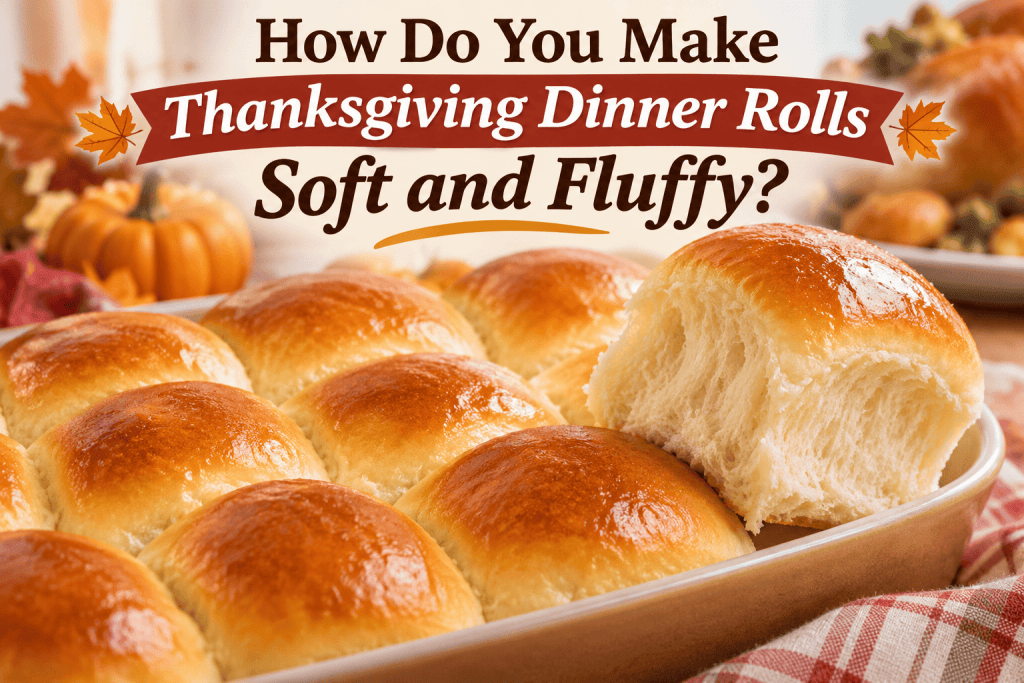
Thanksgiving dinner would not feel complete without a basket of warm, soft, fluffy dinner rolls sitting on the table. Whether you use them to soak up homemade turkey gravy, spread them with butter, or enjoy them alongside mashed potatoes and stuffing, homemade dinner rolls are one of the most comforting parts of a traditional Thanksgiving meal.
The secret to making Thanksgiving dinner rolls soft and fluffy comes down to a few important details: using the right ingredients, developing the dough properly, allowing enough time for rising, and avoiding overbaking.
The good news is that you do not need professional baking experience to make delicious homemade dinner rolls. With a simple yeast dough and a little patience, you can prepare bakery-style rolls that are light, tender, buttery, and golden brown.
This guide explains how to make soft Thanksgiving dinner rolls from scratch, why certain ingredients matter, how to avoid common baking mistakes, and how to prepare rolls ahead of time for a stress-free holiday dinner.
What Makes Thanksgiving Dinner Rolls Soft and Fluffy?
The texture of homemade dinner rolls depends on how the ingredients work together during mixing, kneading, rising, and baking.
A good Thanksgiving dinner roll should have a lightly golden exterior and a soft, airy interior that pulls apart easily.
Several factors contribute to that texture.
Milk adds tenderness. Using milk instead of only water creates a richer dough and helps produce a softer crumb.
Butter adds moisture and flavor. Butter makes the rolls tender while giving them a rich, comforting taste.
Eggs improve texture. An egg adds richness, helps strengthen the dough, and contributes to a soft interior.
Yeast creates air pockets. As yeast ferments, it produces carbon dioxide that helps the dough expand and become fluffy.
Proper kneading develops gluten. Gluten provides the structure needed to trap gas and support the rolls as they rise.
Enough rising time creates lightness. Allowing the dough to rise properly prevents dense, heavy rolls.
Gentle baking keeps the rolls tender. Baking just until golden helps prevent dry, tough bread.
When these elements are balanced correctly, the result is a batch of soft, pillowy dinner rolls that taste even better than many store-bought versions.
Easy Homemade Thanksgiving Dinner Rolls Recipe
This classic homemade dinner roll recipe produces buttery, fluffy rolls that are perfect for Thanksgiving dinner.
Recipe details
Prep time
20 minutes
Rise time
1½–2 hours
Bake time
15–20 minutes
Yield
12 dinner rolls
Ingredients
-
3½ cups all-purpose flour, plus more if needed
-
1 cup warm whole milk, approximately 105–110°F
-
2¼ teaspoons active dry yeast (one packet)
-
¼ cup granulated sugar
-
¼ cup unsalted butter, melted and slightly cooled
-
1 large egg, room temperature
-
1 teaspoon salt
-
2 tablespoons melted butter for brushing after baking
Why These Ingredients Work
All-purpose flour provides enough structure to hold the rolls together without making them excessively chewy.
Whole milk adds richness and helps create a soft interior.
Sugar provides sweetness and supports yeast fermentation.
Butter and eggs enrich the dough, giving the finished rolls their tender, buttery texture.
Salt balances the flavor and helps regulate yeast activity.
Together, these simple ingredients create a traditional homemade dinner roll that pairs beautifully with Thanksgiving turkey and all the holiday side dishes.
Step-by-Step Instructions for Soft Thanksgiving Dinner Rolls
Step 1: Activate the Yeast
Pour the warm milk into a large mixing bowl.
Add the sugar and active dry yeast, stirring gently to combine.
Allow the mixture to sit for approximately 5–10 minutes.
The surface should become foamy or bubbly, indicating that the yeast is active.
If the mixture does not show signs of activity, the yeast may be old or the milk temperature may have been incorrect.
Avoid using milk that is too hot because excessive heat can damage the yeast.
Step 2: Mix the Dough
Add the melted butter, egg, and salt to the yeast mixture.
Stir until combined.
Gradually add the flour, mixing until a soft dough begins to form.
The dough should feel slightly tacky but should not be excessively wet.
Avoid adding too much flour at this stage.
A dough that is slightly sticky generally produces softer rolls than one that has been made stiff with excessive flour.
Step 3: Knead Until Smooth
Transfer the dough to a lightly floured surface.
Knead for approximately 8–10 minutes, until the dough becomes smooth, elastic, and stretchy.
If using a stand mixer with a dough hook, knead on low speed for approximately 5–7 minutes, checking the dough’s texture.
The dough should stretch without tearing immediately.
Proper kneading develops the gluten structure that helps the rolls hold their shape while remaining light and fluffy.
Step 4: Allow the Dough to Rise
Lightly grease a large bowl.
Place the dough inside and turn it once to coat the surface.
Cover with a clean kitchen towel or plastic wrap.
Allow the dough to rise in a warm, draft-free location for approximately 60–90 minutes, or until doubled in size.
Rising time may vary depending on room temperature.
Avoid rushing this step because proper fermentation is essential for fluffy dinner rolls.
Step 5: Shape the Dinner Rolls
Once the dough has doubled, gently press it down to release some of the gas.
Divide the dough into 12 equal portions.
Shape each portion into a smooth ball by gently stretching the dough surface and tucking the edges underneath.
Place the dough balls in a greased 9-by-13-inch baking dish.
Arrange them evenly, leaving a little room for expansion.
Step 6: Let the Rolls Rise Again
Cover the baking dish loosely.
Allow the shaped rolls to rise for another 30–45 minutes, or until noticeably puffy.
This second rise is especially important because it helps create the light, airy texture associated with soft dinner rolls.
The rolls should look full and expanded before going into the oven.
Step 7: Bake Until Golden Brown
Preheat the oven to 375°F.
Place the baking dish on the center oven rack.
Bake for approximately 15–20 minutes, until the tops are lightly golden brown and the rolls are baked through.
For an accurate doneness check, the center of a roll should reach approximately 190°F.
Avoid leaving the rolls in the oven longer than necessary.
Overbaking can cause them to lose moisture and become dry.
Step 8: Brush With Melted Butter
Remove the rolls from the oven.
Immediately brush the tops with melted butter.
The butter adds flavor, gives the rolls a beautiful finish, and helps soften the crust.
Allow them to cool for several minutes before serving.
For an especially tender crust, loosely cover the warm rolls with a clean towel for a few minutes after brushing.
Serve warm with butter, turkey gravy, or your favorite Thanksgiving dishes.
What Is the Secret to Extra-Fluffy Dinner Rolls?
The biggest secret to fluffy homemade dinner rolls is allowing the dough to develop enough structure while keeping it soft and properly hydrated.
Many home bakers accidentally add too much flour because they want the dough to stop sticking to their hands.
However, adding excessive flour can produce dense, dry rolls.
A soft, slightly tacky dough usually produces a lighter result.
Another important factor is giving the dough enough time to rise.
Yeast needs time to create the gas bubbles that make bread airy.
If the dough is baked before it has risen sufficiently, the rolls may be heavy and compact.
For the best results, focus on the appearance and texture of the dough rather than following rising times too rigidly.
Should You Use Bread Flour or All-Purpose Flour for Thanksgiving Rolls?
Both bread flour and all-purpose flour can produce excellent homemade dinner rolls.
However, they create slightly different textures.
All-purpose flour generally produces softer, more tender rolls.
Bread flour contains more protein, which allows stronger gluten development and may create a slightly chewier texture.
For traditional soft Thanksgiving dinner rolls, all-purpose flour is an excellent choice.
If you prefer rolls with more structure and a slightly chewy bite, bread flour can also work.
Whichever flour you choose, measure it carefully.
Spoon flour into the measuring cup and level it off rather than packing it down.
For more consistent results, weighing the flour with a kitchen scale is even better.
Why Are My Homemade Dinner Rolls Dense Instead of Fluffy?
Dense dinner rolls are one of the most common problems when baking homemade bread.
Several issues can cause this.
Too much flour: Adding excessive flour creates a stiff dough that cannot expand easily.
Inactive yeast: Old or damaged yeast may not produce enough gas for proper rising.
Insufficient kneading: Underdeveloped gluten can prevent the dough from holding the gas produced during fermentation.
Not enough rising time: Baking before the dough has expanded sufficiently can produce heavy rolls.
Overproofing: Allowing the dough to rise too long can weaken its structure and cause the rolls to collapse.
Incorrect oven temperature: An oven that is too cool or too hot can affect how the rolls expand and bake.
To prevent dense rolls, use fresh yeast, measure ingredients carefully, knead thoroughly, and allow the dough to become visibly puffy before baking.
How Do You Keep Thanksgiving Dinner Rolls Soft After Baking?
Keeping homemade rolls soft is just as important as making them fluffy.
One of the easiest ways to maintain a tender texture is to brush the rolls with melted butter immediately after baking.
The butter softens the crust and adds moisture to the surface.
You can also cover the rolls loosely with a clean kitchen towel while they cool slightly.
Once completely cooled, store them in an airtight container or sealed bag.
Avoid leaving homemade rolls uncovered for extended periods because exposure to air causes them to become stale.
For the best texture, serve the rolls slightly warm.
Can You Make Thanksgiving Dinner Rolls the Day Before?
Yes. Making Thanksgiving dinner rolls ahead of time is one of the easiest ways to reduce holiday cooking stress.
You have several options.
Bake the Rolls One Day Ahead
Prepare and bake the rolls according to the recipe.
Allow them to cool completely.
Store them in an airtight container at room temperature.
On Thanksgiving Day, warm them in a 300°F oven for approximately 8–10 minutes, loosely covered with foil to prevent drying.
Brush with a little additional melted butter before serving.
Refrigerate the Dough Overnight
Another option is to prepare the dough the day before Thanksgiving.
After kneading, place it in a lightly greased bowl, cover tightly, and refrigerate overnight.
The cold temperature slows yeast fermentation.
The next day, divide and shape the dough, then allow the rolls to rise until noticeably puffy before baking.
Because the dough is cold, this final rise may take longer than usual.
This method allows you to enjoy freshly baked dinner rolls without preparing the entire dough on Thanksgiving morning.
Can You Freeze Homemade Thanksgiving Dinner Rolls?
Homemade dinner rolls freeze very well, making them an excellent choice for advance holiday preparation.
For the simplest method, bake the rolls completely and allow them to cool.
Wrap them tightly in plastic wrap or place them in freezer-safe bags, removing as much air as possible.
Freeze for up to approximately three months for the best quality.
When ready to serve, thaw the rolls at room temperature while still wrapped.
Warm them in a 300°F oven until heated through.
Brush with melted butter before serving.
Freezing fully baked rolls is especially convenient when you have limited oven space on Thanksgiving Day.
How Do You Make Dinner Rolls Taste More Buttery?
If you want Thanksgiving dinner rolls with a richer butter flavor, there are several simple ways to enhance the recipe.
Use real unsalted butter in the dough rather than margarine.
Brush the rolls with melted butter immediately after baking.
For additional flavor, add a small pinch of flaky salt to the buttered tops.
You can also prepare honey butter by mixing softened butter with a little honey.
Serve it alongside the warm rolls for a delicious combination of sweetness and richness.
Garlic herb butter is another excellent option, especially if you prefer savory Thanksgiving bread.
Should Thanksgiving Dinner Rolls Be Baked Close Together?
Baking dinner rolls close together helps produce softer sides.
As the rolls expand in the oven, they touch one another and create pull-apart sections.
These connected sides remain tender because they are not exposed directly to the oven’s dry heat.
If you prefer dinner rolls with more browned edges, arrange them farther apart on a baking sheet.
For classic Thanksgiving pull-apart dinner rolls, baking them together in a rectangular dish is usually the better choice.
What Is the Best Temperature for Baking Thanksgiving Dinner Rolls?
A baking temperature of 375°F works well for most traditional enriched dinner roll recipes.
This temperature allows the dough to expand while developing a lightly golden crust.
An oven that is too hot may brown the exterior before the center finishes baking.
An oven that is too cool may cause the rolls to bake slowly and develop a drier texture.
Because ovens vary, begin checking the rolls near the end of the recommended baking time.
The tops should be golden, and the centers should be fully baked.
An instant-read thermometer can help confirm doneness without guessing.
Common Mistakes to Avoid When Making Thanksgiving Dinner Rolls
Even a simple dinner roll recipe can produce disappointing results when a few important details are overlooked.
Here are some common mistakes to avoid.
-
Using milk that is too hot. Excessive heat can damage the yeast and prevent the dough from rising properly.
-
Adding too much flour. A stiff dough often produces dry, dense rolls.
-
Skipping proper kneading. Gluten development helps the dough hold its shape and rise.
-
Rushing the first rise. The dough needs sufficient time to develop volume.
-
Skipping the second rise. Shaped rolls need time to become puffy before baking.
-
Overbaking. Leaving rolls in the oven too long removes moisture.
-
Forgetting the butter topping. Brushing with melted butter helps create a tender crust.
-
Storing rolls uncovered. Air exposure accelerates staling and reduces softness.
Avoiding these mistakes can make a noticeable difference in the quality of your homemade Thanksgiving rolls.
What Can You Serve With Thanksgiving Dinner Rolls?
Soft homemade dinner rolls pair beautifully with nearly every traditional Thanksgiving dish.
They are especially delicious alongside roasted turkey, mashed potatoes, homemade gravy, stuffing, green bean casserole, sweet potato casserole, and cranberry sauce.
Dinner rolls also make excellent miniature sandwiches using leftover turkey.
Simply slice a roll in half and fill it with turkey, stuffing, cranberry sauce, or a little gravy.
This is one of the easiest and most satisfying ways to enjoy Thanksgiving leftovers.
Frequently Asked Questions
Can You Make Thanksgiving Dinner Rolls Without a Stand Mixer?
Yes. Dinner roll dough can be mixed and kneaded entirely by hand. It generally takes approximately 8–10 minutes of hand kneading to develop a smooth, elastic dough.
Can You Use Instant Yeast Instead of Active Dry Yeast?
Yes. Instant yeast can usually replace active dry yeast in the same quantity. Mix it directly with the dry ingredients instead of activating it separately. Rising times may be slightly shorter.
Why Didn’t My Thanksgiving Dinner Rolls Rise?
Common causes include inactive yeast, excessively hot liquid, a cold rising environment, or insufficient rising time. Check that your yeast is fresh and allow the dough to rise until visibly expanded.
Can You Make Thanksgiving Dinner Rolls Without Eggs?
Yes. You can omit the egg and replace it with approximately ¼ cup additional milk. The rolls may be slightly less rich, but they can still be soft and fluffy.
How Long Do Homemade Dinner Rolls Stay Fresh?
Homemade dinner rolls are generally best within one to two days when stored properly at room temperature. For longer storage, freeze them after they have cooled completely.
Can You Reheat Thanksgiving Dinner Rolls Without Drying Them Out?
Yes. Wrap the rolls loosely in foil and warm them in a 300°F oven until heated through. A little melted butter helps refresh their texture and flavor.
Final Thoughts: How Do You Make Thanksgiving Dinner Rolls Soft and Fluffy?
Making soft and fluffy Thanksgiving dinner rolls is easier than many people think.
The key is to use a tender, enriched dough made with milk, butter, eggs, and yeast, knead it until elastic, allow it to rise properly, and bake it just until golden brown.
Avoid adding excessive flour, do not rush the rising process, and brush the finished rolls with melted butter for a wonderfully soft crust.
Whether you prepare them fresh on Thanksgiving morning or bake them ahead of time, homemade dinner rolls are a simple addition that makes the holiday meal feel even more special.
There is something comforting about passing a basket of warm bread around the Thanksgiving table. It is a small tradition that brings people together and makes an already meaningful meal feel a little more like home.
With this easy homemade recipe, you can serve buttery, pillowy Thanksgiving dinner rolls that your family and guests will look forward to every year.


Leave a Reply