Category: Health & Wellness

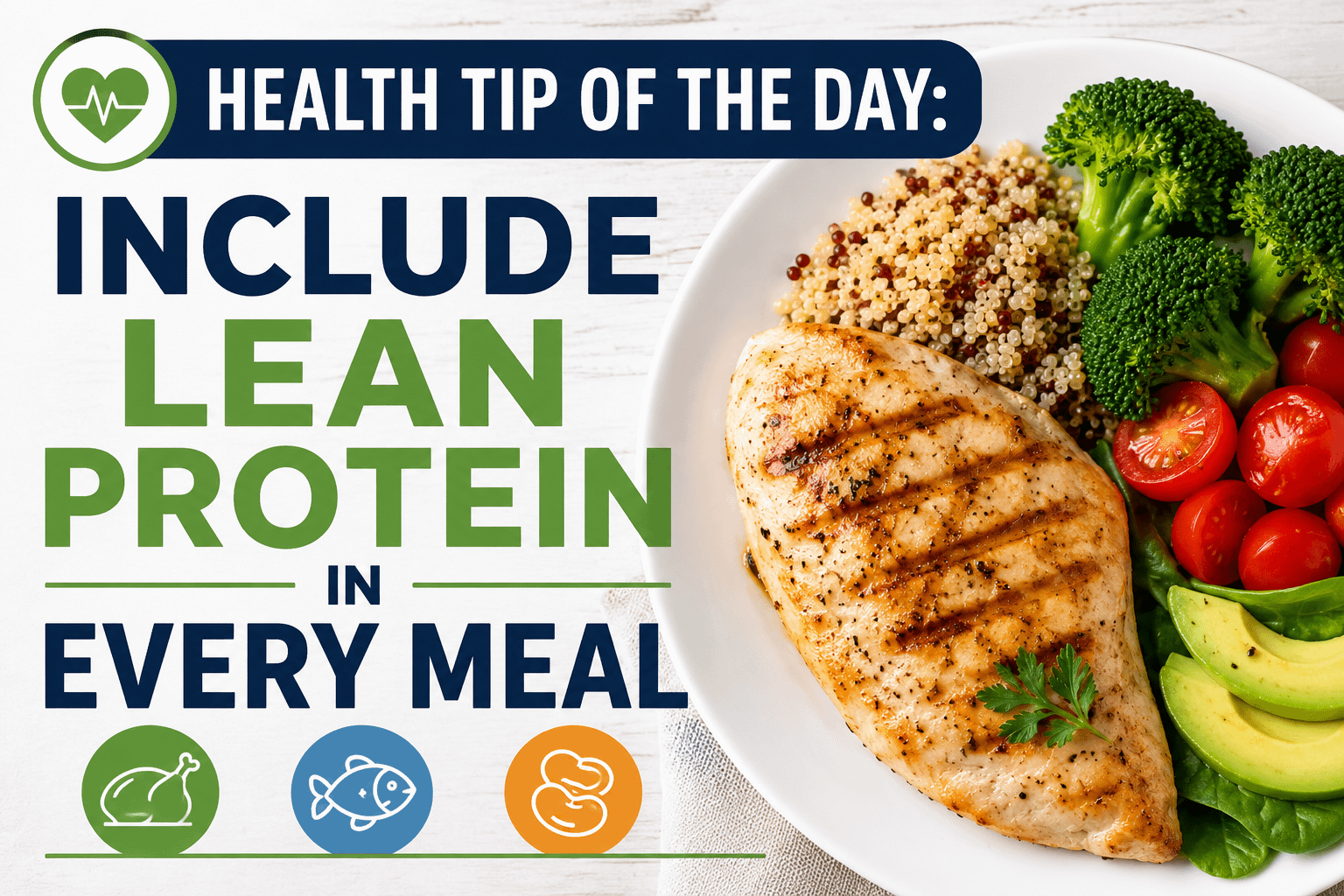
  • Health Tip of the Day: Include Lean Protein in Every Meal

    Health Tip of the Day: Include Lean Protein in Every Meal

    When people think about improving their diet, they often focus on what they need to eliminate. Eat less sugar. Cut back on fast food. Avoid heavily processed snacks. Reduce saturated fat. Watch portion sizes.

    Those changes can certainly matter, but healthy eating isn’t only about removing foods. It is also about adding nutritious foods that help your body function at its best.

    One of the simplest habits you can build is including a source of lean protein in your main meals.

    Protein is an essential nutrient that supports muscles, tissues, enzymes, hormones, immune function, and countless processes taking place throughout your body every day. It can also contribute to feelings of fullness, making balanced meals more satisfying.

    You don’t need to follow a high-protein diet or completely redesign the way you eat. The goal is much simpler:

    When you prepare breakfast, lunch, or dinner, ask yourself where your protein is coming from.

    That small question can help you build more balanced meals.

    Why Does Your Body Need Protein?

    Protein is one of the three major macronutrients your body needs, alongside carbohydrates and fats.

    Proteins are made from amino acids. Your body uses these amino acids as building materials for many important structures and functions.

    Protein contributes to:

    • Building and maintaining muscle
    • Repairing body tissues
    • Supporting normal immune function
    • Producing enzymes and hormones
    • Maintaining healthy skin, hair, and nails
    • Supporting recovery after physical activity
    • Helping meals feel satisfying

    Protein isn’t something only athletes and bodybuilders need to think about.

    Everyone needs protein.

    Children need it as they grow. Adults need it to maintain tissues and muscle. Older adults need adequate nutrition to support strength and healthy aging.

    The amount each person needs varies depending on factors such as body size, age, activity level, overall diet, and certain medical circumstances.

    The important takeaway is that protein should be a regular part of a balanced eating pattern.

    What Makes a Protein “Lean”?

    When people hear “protein,” they may immediately think of steak, hamburgers, bacon, or other meats.

    Those foods can contain protein, but some protein-rich foods also contain significant amounts of saturated fat or sodium.

    Choosing leaner protein sources allows you to get valuable protein while limiting some of the saturated fat that may accompany higher-fat options.

    Examples of lean or nutrient-dense protein choices can include:

    • Skinless chicken breast
    • Turkey
    • Fish
    • Seafood
    • Eggs
    • Lean cuts of beef
    • Lean cuts of pork
    • Beans
    • Lentils
    • Chickpeas
    • Peas
    • Tofu
    • Tempeh
    • Edamame
    • Low-fat Greek yogurt
    • Low-fat cottage cheese
    • Other lower-fat dairy products

    You don’t have to choose animal protein at every meal, either.

    Plant-based protein sources can provide protein along with other valuable nutrients. Beans, lentils, chickpeas, and peas, for example, also provide dietary fiber.

    Variety is one of the best approaches.

    Protein Doesn’t Mean Eating Huge Portions of Meat

    One misconception about increasing protein is that every meal needs an enormous piece of meat.

    It doesn’t.

    A balanced diet is still about balance.

    Protein should complement vegetables, fruits, whole grains, healthy fats, and other nutritious foods rather than completely replacing them.

    Instead of thinking:

    “I need to eat as much protein as possible.”

    Think:

    “I want a reasonable source of protein as part of a balanced meal.”

    More isn’t automatically better.

    Your nutritional needs are individual, and people with certain medical conditions may need personalized guidance about protein intake.

    Make Protein Part of Breakfast

    Breakfast is one of the easiest meals to overlook when it comes to protein.

    Many popular breakfast foods are primarily carbohydrates. Toast, cereal, pastries, pancakes, muffins, and breakfast bars can certainly be part of an eating pattern, but depending on what they’re paired with, they may not provide much protein.

    Instead of eliminating the breakfast you enjoy, consider what you could add.

    For example:

    Eggs and Whole-Grain Toast

    Pair eggs with whole-grain toast and fruit for a breakfast containing protein, carbohydrates, fiber, vitamins, and minerals.

    Greek Yogurt and Berries

    Greek yogurt can provide protein while berries add natural sweetness, fiber, and nutrients.

    Add nuts or seeds for additional texture and healthy fats.

    Oatmeal With Protein-Rich Sides

    Oatmeal doesn’t have to stand alone.

    Pair it with Greek yogurt, milk, eggs, cottage cheese, nuts, or seeds.

    Cottage Cheese and Fruit

    Cottage cheese paired with berries, peaches, pineapple, or another favorite fruit can make a quick breakfast requiring very little preparation.

    Breakfast Burrito

    Eggs, beans, vegetables, and a whole-grain tortilla can create a filling breakfast that contains both animal and plant protein.

    A little planning can turn breakfast into a much more balanced meal.

    Build a Protein-Rich Lunch

    Lunch is another meal where convenience often takes over.

    You may be working, running errands, caring for family, or simply trying to get through a busy afternoon. When you’re short on time, lunch can become whatever is easiest to grab.

    Planning even one protein option ahead of time can help.

    Consider meals such as:

    • Grilled chicken salad
    • Turkey and vegetable wrap
    • Tuna sandwich on whole-grain bread
    • Chicken and brown rice bowl
    • Lentil soup with a side salad
    • Chickpea salad
    • Turkey sandwich with fruit
    • Black bean burrito bowl
    • Leftover salmon with vegetables
    • Tofu and vegetable bowl

    Lunch doesn’t have to be complicated.

    A sandwich with lean protein, vegetables, and whole-grain bread can be perfectly reasonable. Add fruit or another vegetable on the side and you have a more balanced meal.

    Include Lean Protein at Dinner

    Dinner is often the meal where people naturally include protein, but the type of protein and how it’s prepared can make a difference.

    Consider building dinner around combinations such as:

    Grilled chicken + roasted vegetables + brown rice

    Baked salmon + broccoli + sweet potato

    Lean turkey meatballs + whole-grain pasta + vegetables

    Shrimp + vegetables + quinoa

    Tofu stir-fry + mixed vegetables + brown rice

    Black beans + quinoa + peppers + salsa

    Lean pork + green beans + roasted potatoes

    Notice that protein isn’t the entire meal.

    It is one part of the plate.

    That is an important distinction.

    Plant-Based Protein Deserves a Place on Your Plate

    Eating lean protein doesn’t mean eating meat three times a day.

    Plant proteins can add tremendous variety to your meals.

    Beans, lentils, tofu, tempeh, chickpeas, peas, and edamame are versatile foods that can work in everything from soups to tacos.

    For example, you could make:

    • Black bean tacos
    • Lentil soup
    • Chickpea salad
    • Tofu stir-fry
    • Lentil curry
    • Bean and vegetable chili
    • Chickpea grain bowls
    • Black bean burritos
    • Lentil pasta dishes
    • Edamame salads

    Experimenting with plant proteins can introduce you to new meals while increasing the variety of foods in your diet.

    Protein May Help Meals Feel More Satisfying

    Have you ever eaten a meal and felt hungry again shortly afterward?

    There can be many reasons for this, but meal composition plays a role in how satisfying food feels.

    Meals containing protein, fiber-rich carbohydrates, and healthy fats can often provide greater satisfaction than meals made mostly from highly refined carbohydrates.

    Imagine two breakfasts.

    Breakfast one:

    A sugary pastry and sweetened beverage.

    Breakfast two:

    Eggs, whole-grain toast, berries, and water or an unsweetened beverage.

    Both are technically breakfast, but they provide very different nutritional profiles.

    Rather than obsessing over calories alone, consider the quality and balance of your meals.

    Ask whether your meal contains:

    Protein?

    Fiber?

    Fruits or vegetables?

    Whole or minimally processed foods?

    Healthy fats?

    These questions can help you make more nourishing choices.

    Protein Can Support Muscle Maintenance

    Muscle matters far beyond appearance.

    Your muscles help you walk, stand, climb stairs, carry groceries, perform household tasks, exercise, work, and maintain independence.

    As people age, preserving muscle becomes increasingly important.

    Physical activity—particularly resistance exercise—combined with adequate nutrition can support muscle maintenance.

    Protein provides amino acids used in muscle tissue repair and maintenance.

    You don’t have to spend hours lifting weights to care about muscle health.

    Everyday strength matters.

    Being able to get out of a chair comfortably, carry groceries, walk around your neighborhood, climb stairs, or enjoy activities with your family all involve muscular strength.

    Nutrition is one piece of maintaining that ability.

    Spread Protein Throughout Your Day

    Some people eat very little protein during breakfast and lunch and then consume most of it at dinner.

    Instead, consider distributing protein-rich foods across your meals.

    For example:

    Breakfast: Greek yogurt and berries

    Lunch: Chicken salad

    Dinner: Salmon, vegetables, and brown rice

    That gives you several opportunities throughout the day to include protein rather than depending on one enormous dinner.

    You don’t need to calculate every gram unless you have a specific reason or have been advised to do so.

    For many people, simply remembering to include a nutritious protein source in meals is a practical starting point.

    Healthy Snacking Can Include Protein Too

    While today’s tip focuses on meals, protein can also be useful when choosing snacks.

    If you’re genuinely hungry between meals, consider snacks that combine protein with another nutritious food.

    Ideas include:

    • Greek yogurt with fruit
    • Cottage cheese with berries
    • Apple slices with nut butter
    • Hard-boiled egg with fruit
    • Hummus with vegetables
    • Nuts with a piece of fruit
    • Edamame
    • Cheese with whole-grain crackers

    You don’t necessarily need protein every time you put food in your mouth. The larger goal is to create an eating pattern that keeps you nourished and satisfied.

    How You Cook Protein Matters

    Choosing chicken instead of a higher-fat meat is one step, but preparation also matters.

    Consider the difference between:

    Grilled chicken breast

    and

    Deep-fried chicken covered in heavy sauce.

    Both contain chicken and therefore protein, but the overall meals can be very different nutritionally.

    Cooking methods that can work well include:

    • Baking
    • Grilling
    • Roasting
    • Broiling
    • Poaching
    • Steaming
    • Air frying
    • Sautéing with moderate amounts of oil

    You can create plenty of flavor without relying heavily on butter, cream sauces, or deep frying.

    Try seasonings such as:

    Garlic, lemon, lime, paprika, pepper, rosemary, thyme, basil, oregano, cumin, chili powder, ginger, or other herbs and spices you enjoy.

    Healthy food doesn’t have to be bland.

    Be Mindful of Processed Meats

    Not every protein source is nutritionally equal.

    Processed meats such as certain sausages, bacon, hot dogs, and deli meats can be higher in sodium and saturated fat.

    You don’t necessarily have to declare these foods permanently forbidden, but they don’t need to be your primary protein source every day.

    Whenever possible, rotate in less processed choices such as fresh poultry, fish, eggs, beans, lentils, tofu, or lean meats.

    Healthy eating is usually easier to sustain when you focus on what you eat most often, rather than trying to create an impossible list of foods you’re never allowed to enjoy again.

    Make Lean Protein Convenient

    Knowing what to eat is one thing.

    Having it available when you’re hungry is another.

    Convenience has an enormous influence on food choices.

    If you’re exhausted at the end of the day and nothing is prepared, fast food or takeout can become much more tempting.

    Make nutritious options convenient before hunger hits.

    Try preparing a few basics ahead of time.

    Cook several portions of chicken.

    Boil a few eggs.

    Prepare lentils or beans.

    Keep tuna or salmon packets available.

    Stock Greek yogurt.

    Keep canned beans in your pantry.

    Freeze individual portions of cooked protein.

    Wash and cut vegetables ahead of time.

    Cook brown rice or quinoa in batches.

    You don’t need an elaborate Sunday meal-prep routine.

    Even preparing two or three ingredients ahead of time can make weekday meals much easier.

    Use the “Protein + Produce” Rule

    If you’re unsure how to improve a meal, try this simple approach:

    Start with protein and produce.

    Choose a protein.

    Then add a vegetable or fruit.

    After that, round out the meal with a nutritious carbohydrate and, when appropriate, a source of healthy fat.

    For example:

    Chicken + broccoli + brown rice + avocado.

    Greek yogurt + berries + oats + nuts.

    Eggs + spinach + whole-grain toast + fruit.

    Salmon + asparagus + potatoes.

    Beans + peppers + quinoa + avocado.

    This isn’t a rigid diet rule.

    It’s simply an easy framework for creating balanced meals.

    Eating Out? Look for Lean Protein Options

    You can practice this habit at restaurants too.

    Look for grilled, roasted, baked, or broiled protein options rather than automatically choosing heavily fried dishes.

    Depending on the restaurant, you might choose:

    • Grilled chicken
    • Grilled fish
    • Shrimp
    • Lean steak
    • Turkey
    • Bean-based dishes
    • Grilled tofu

    Pair the protein with vegetables, salad, potatoes, rice, beans, or another side that fits your overall eating goals.

    You can still enjoy restaurant food.

    Healthy eating doesn’t require avoiding restaurants or never ordering your favorite foods.

    It is about making thoughtful choices more often.

    Don’t Let “Perfect” Nutrition Become the Goal

    One of the biggest mistakes people make when trying to improve their health is expecting perfection.

    You eat a healthy breakfast Monday morning.

    You have a nutritious lunch.

    Then dinner doesn’t go as planned.

    Suddenly you think:

    “I ruined my diet.”

    You didn’t.

    One meal doesn’t determine your health.

    Just like one healthy meal won’t instantly transform your body, one less-nutritious meal doesn’t erase everything else you’re doing.

    Your overall pattern matters far more.

    If lunch wasn’t balanced, make your next meal balanced.

    If you forgot protein at breakfast, include it at lunch.

    If you ate fast food yesterday, make a nutritious dinner tonight.

    Keep moving forward.

    Healthy Eating Is Built Through Repetition

    The most powerful nutritional habits are often the least dramatic.

    Drink more water.

    Eat more vegetables.

    Choose whole foods more often.

    Include fiber-rich foods.

    Pay attention to portion sizes.

    Eat when you’re genuinely hungry.

    And include quality protein sources regularly.

    None of these habits sounds revolutionary.

    But health isn’t usually transformed by one revolutionary decision.

    It changes through ordinary decisions repeated consistently.

    Every meal gives you another opportunity.

    A Simple One-Week Lean Protein Challenge

    For the next seven days, try paying attention to the protein in your meals.

    You don’t need to count grams or download another diet app.

    Simply ask yourself three questions:

    Breakfast: Where’s my protein?

    Lunch: Where’s my protein?

    Dinner: Where’s my protein?

    If you don’t see a protein source, consider adding one.

    Maybe breakfast gets an egg.

    Lunch gets grilled chicken.

    Dinner gets salmon.

    Tomorrow breakfast gets Greek yogurt.

    Lunch gets tuna.

    Dinner gets black beans.

    The following day you choose eggs, turkey, and tofu.

    By rotating your choices, you can make your diet more interesting while getting nutrition from a wider range of foods.

    Listen to Your Body

    Nutrition advice should never become a competition.

    Someone else’s ideal amount of protein may not be yours.

    Your needs can vary based on your age, body size, activity level, goals, dietary preferences, and health circumstances.

    Pay attention to how different meals make you feel.

    Do you feel satisfied?

    Do you have steady energy?

    Are you hungry again immediately?

    Are your meals varied?

    Are you getting vegetables, fruits, whole grains, healthy fats, and protein?

    Those questions are often more useful than chasing the latest diet trend.

    People with kidney disease or other conditions that affect protein requirements should follow individualized guidance from their healthcare professional or registered dietitian.

    Today’s Health Tip

    Include Lean Protein in Every Meal

    Try to make protein a regular part of breakfast, lunch, and dinner.

    Choose nutritious sources such as:

    • Chicken
    • Turkey
    • Fish
    • Seafood
    • Eggs
    • Beans
    • Lentils
    • Chickpeas
    • Tofu
    • Tempeh
    • Edamame
    • Greek yogurt
    • Cottage cheese
    • Lean beef
    • Lean pork

    Then build the rest of your meal around vegetables, fruits, whole grains, and healthy fats.

    Remember that lean protein is part of a healthy meal—not the entire meal.

    One Healthy Choice at a Time

    Improving your diet doesn’t require perfection.

    You don’t have to eliminate every food you enjoy.

    You don’t have to follow every nutrition trend.

    And you certainly don’t have to change everything overnight.

    Start with something manageable.

    At your next meal, look at your plate and ask:

    “Do I have a good source of protein?”

    If the answer is yes, you’re already practicing today’s health tip.

    If the answer is no, think about one simple protein-rich food you could add.

    Then do it again at your next meal.

    And your next.

    Small choices become habits.

    Habits become routines.

    And routines can eventually become a healthier lifestyle.

    Today’s reminder: Don’t chase the perfect diet. Build a better plate, one meal at a time—and let lean protein be one of the building blocks.
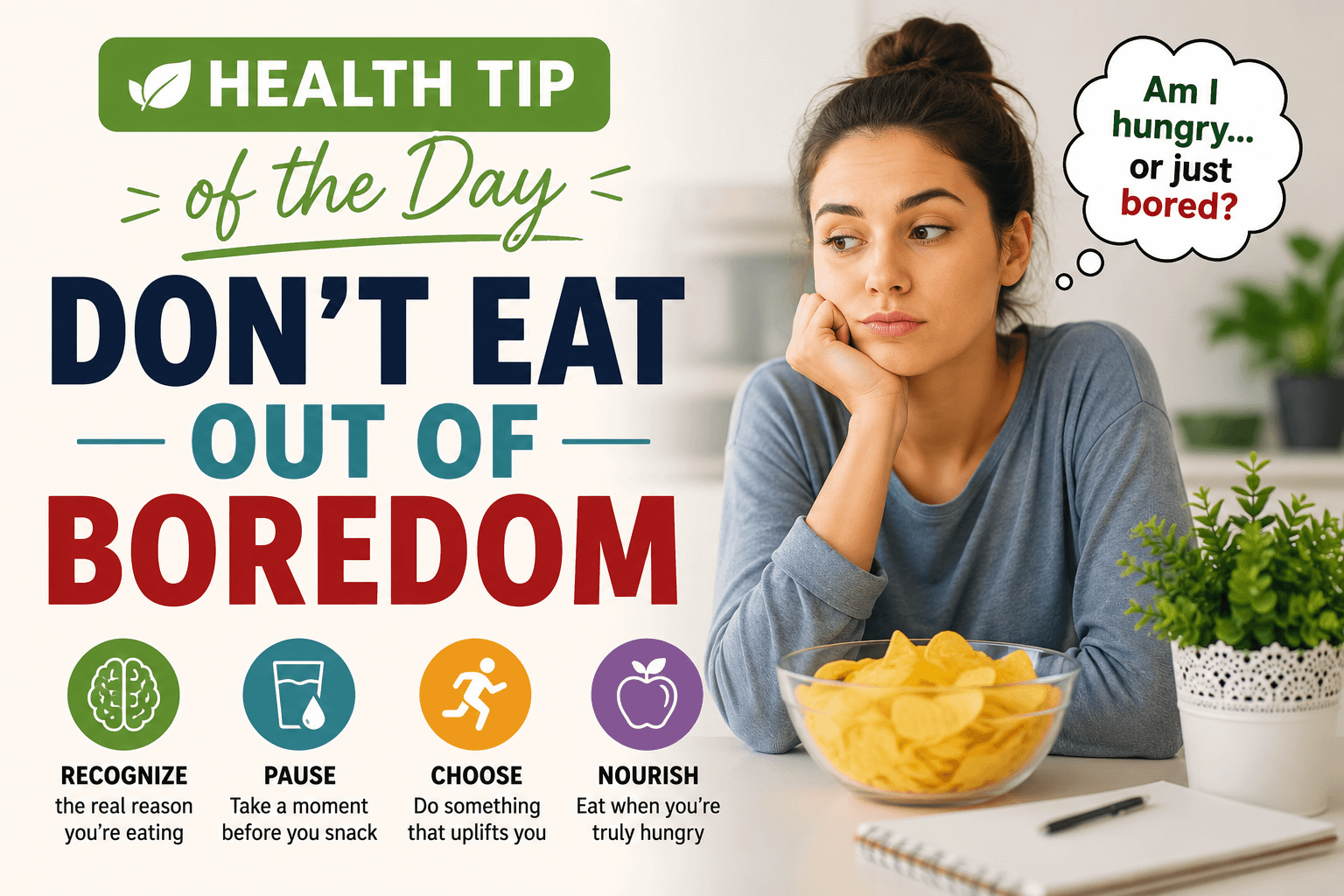
  • Health Tip of the Day: Don’t Eat Out of Boredom

    Health Tip of the Day: Don’t Eat Out of Boredom

    Have you ever opened the refrigerator, stared inside for a few seconds, and realized you weren’t actually hungry?

    Maybe you closed it, walked away, and then returned ten minutes later.

    Or perhaps you sat down to watch television and automatically grabbed a bag of chips, cookies, crackers, or another snack—not because your stomach was telling you to eat, but because eating gave you something to do.

    Most people experience this occasionally.

    Food isn’t always consumed because of physical hunger. We also eat because we’re celebrating, socializing, stressed, tired, emotional, distracted, or simply bored.

    That is why today’s Health Tip of the Day is: Don’t Eat Out of Boredom.

    The goal isn’t to become afraid of snacking or to feel guilty whenever you enjoy food. It’s about becoming more aware of what your body actually needs.

    When you can recognize the difference between physical hunger and boredom, you give yourself the opportunity to make more intentional choices.

    What Is Boredom Eating?

    Boredom eating is exactly what it sounds like: eating primarily because you have nothing interesting or stimulating to do rather than because you’re physically hungry.

    It can happen almost anywhere.

    You’re watching television and suddenly want popcorn.

    You’re working from home and make another trip to the kitchen.

    You’re scrolling through your phone late at night and start thinking about cookies.

    You’re sitting around on a quiet afternoon and decide to check the refrigerator.

    Sometimes you’re not even craving anything specific. You’re simply looking for something to do.

    Food becomes entertainment.

    Because eating can provide immediate pleasure and stimulation, the brain can gradually associate boredom with snacking.

    Eventually, the behavior can become automatic:

    Boredom → Kitchen → Snack → Temporary satisfaction.

    Breaking that cycle begins with awareness.

    Why Do We Eat When We’re Bored?

    Human beings naturally look for stimulation.

    When there’s little happening around us, our brains search for something interesting, rewarding, comforting, or enjoyable.

    Food can easily fill that role.

    The smell, taste, texture, and anticipation of eating can temporarily make an uneventful moment more interesting.

    This is especially true with foods designed to be highly enjoyable—sweet, salty, crunchy, creamy, or rich foods.

    You may not necessarily need additional energy. Your brain may simply be looking for a rewarding experience.

    That doesn’t make you weak or undisciplined. It means you’ve developed an association between a feeling and a behavior.

    And habits can be changed.

    Hunger and Appetite Aren’t Always the Same

    One useful distinction is understanding the difference between hunger and appetite.

    Hunger generally refers to your body’s physical need for nourishment.

    Appetite is your desire to eat.

    The two frequently occur together—but not always.

    You can be physically hungry without strongly craving a particular food.

    And you can have a strong appetite even when you’ve recently eaten.

    Imagine finishing dinner and then seeing your favorite dessert.

    Your stomach may be satisfied, but you can still think:

    “That looks really good.”

    That doesn’t necessarily mean your body suddenly needs more food. It means the food has triggered your appetite.

    Understanding this difference can make eating habits easier to recognize.

    Physical Hunger Usually Develops Gradually

    Everyone experiences hunger differently, but physical hunger commonly develops over time.

    You might notice:

    • An empty or hollow feeling in your stomach
    • Stomach growling
    • Reduced energy
    • Difficulty concentrating
    • Irritability
    • Feeling ready to eat several different foods

    Boredom-driven cravings can sometimes appear more suddenly.

    Instead of thinking:

    “I’m hungry and should probably eat something.”

    you might think:

    “I really want chips right now.”

    That doesn’t automatically mean it’s boredom, but it gives you an opportunity to check in with yourself.

    Try the Hunger Question

    Before grabbing a snack, ask yourself:

    “Would I eat something simple and nutritious right now?”

    Imagine something you normally enjoy but don’t necessarily consider exciting.

    If the answer is yes, you may genuinely be hungry.

    If your reaction is:

    “No, but I really want cookies,”

    you may be dealing more with a craving than physical hunger.

    Again, there’s nothing inherently wrong with enjoying cookies. The exercise simply helps you identify what’s motivating you.

    The Power of the Ten-Minute Pause

    One of the easiest ways to reduce automatic boredom eating is to introduce a small delay.

    When you suddenly want something to eat between meals, wait approximately ten minutes.

    Don’t spend those ten minutes staring at the refrigerator trying not to eat.

    Change your environment.

    Get up.

    Walk around.

    Drink some water.

    Go outside.

    Answer a message.

    Fold some laundry.

    Read something.

    Put on music.

    After ten minutes, ask yourself again:

    “Do I still want something to eat?”

    If you’re genuinely hungry, have a snack or meal.

    If the craving has disappeared, boredom was probably playing a role.

    The purpose isn’t restriction.

    It’s creating enough space between impulse and action to make a conscious decision.

    Change Your Environment

    Your surroundings can strongly influence your eating behavior.

    Imagine sitting on the couch with a large bag of chips beside you.

    Even if you weren’t originally hungry, simply seeing the bag can encourage you to start eating.

    Now imagine the chips are stored in a cabinet in the kitchen.

    You have to consciously decide to get up, walk into the kitchen, open the cabinet, and get them.

    That small amount of effort gives you another opportunity to decide whether you actually want them.

    Try keeping frequently craved snack foods somewhere less visible while making nutritious options easier to access.

    Your environment can either encourage automatic behavior or support intentional choices.

    Avoid Eating Directly From Large Packages

    Mindless eating becomes much easier when you’re eating directly from a large bag, box, or container.

    You might start with the intention of eating a little and suddenly realize you’ve consumed far more than expected.

    Instead, place a reasonable amount in a bowl or on a plate.

    Then put the package away.

    You can always get more if you’re genuinely hungry.

    This simple strategy creates a natural stopping point where you can ask:

    “Do I actually want more?”

    Pay Attention While You’re Eating

    Distracted eating makes it harder to recognize satisfaction.

    If you’re watching television, working, scrolling through social media, or playing games while eating, much of your attention is focused somewhere else.

    Before you know it, the food is gone.

    When practical, try giving your food more attention.

    Notice the flavor.

    Notice the texture.

    Slow down.

    Actually enjoy what you’re eating.

    Eating intentionally can often feel more satisfying than eating quickly and barely remembering the experience.

    Create a Boredom List

    One practical strategy is creating a list of things you can do when boredom strikes.

    Instead of trying to think of something in the moment, you’ll already have alternatives available.

    Your list might include:

    • Take a 10-minute walk
    • Listen to a favorite song
    • Call someone you haven’t spoken to recently
    • Organize one drawer
    • Watch a short video
    • Work on a hobby
    • Read
    • Write
    • Stretch
    • Do a puzzle
    • Play with your pet
    • Step outside
    • Water your plants
    • Take a shower
    • Clean your desk
    • Plan tomorrow
    • Work on a creative project
    • Listen to a podcast
    • Do something you’ve been putting off
    • Simply relax without food

    Your alternatives don’t have to be productive.

    The purpose isn’t turning every free moment into work.

    The goal is simply teaching your brain:

    “Food isn’t my only source of stimulation.”

    Watch Your Most Vulnerable Times

    Boredom eating often follows patterns.

    For some people, it’s late at night.

    For others, it’s the afternoon.

    Some people snack while watching television.

    Others eat when they’re alone.

    Pay attention to when your cravings happen most often.

    You might discover that you’re rarely tempted to snack unnecessarily during busy mornings but frequently struggle between 8:00 and 10:00 at night.

    Once you’ve identified your vulnerable time, you can create a plan.

    Maybe you take an evening walk.

    Maybe you drink tea.

    Maybe you work on a hobby.

    Maybe you schedule a phone call.

    Maybe you watch television without keeping snacks beside you.

    Understanding your patterns makes changing them much easier.

    Make Sure You’re Eating Enough During Meals

    Not every snack craving is boredom.

    If you’re consistently eating very small meals or skipping meals entirely, you may genuinely become hungry later.

    Trying to fight legitimate hunger by telling yourself you’re “just bored” isn’t helpful.

    Balanced meals containing appropriate amounts of protein, carbohydrates, healthy fats, fiber-rich foods, and other nutrients can help support satisfaction.

    If you’re hungry, eat.

    The goal is not to ignore hunger.

    The goal is to recognize it accurately.

    Don’t Confuse Thirst With the Desire to Snack

    Sometimes when people feel like having something, a drink may satisfy the urge.

    Keep water nearby throughout the day and drink regularly according to your needs.

    When an unexpected snack craving appears, you can have some water and wait a few minutes.

    If you’re still hungry afterward, eat.

    Hydration isn’t a trick for suppressing hunger. It’s simply another way of checking what your body might need.

    Stress Can Look Like Boredom

    Sometimes what appears to be boredom is actually emotional discomfort.

    Maybe you’re procrastinating because something is stressful.

    Maybe you’re lonely.

    Maybe you’re frustrated.

    Maybe you’ve had a difficult day and want something comforting.

    Food can become an easy distraction from uncomfortable emotions.

    When you notice yourself wandering toward the kitchen unexpectedly, ask:

    “What am I feeling right now?”

    You might discover the answer isn’t boredom at all.

    Build a Healthier Response to Emotions

    If stress is triggering your eating, consider other ways of responding to stress.

    Take a walk.

    Call someone.

    Write down what you’re feeling.

    Listen to music.

    Practice slow breathing.

    Spend a few minutes outside.

    Work on something enjoyable.

    Rest.

    Different situations require different solutions.

    Food may temporarily distract you from an emotion, but it usually doesn’t solve the underlying problem.

    Learning healthier coping strategies gives you more options.

    Don’t Keep Yourself Busy Every Second

    There’s another important side to this conversation.

    You don’t need to eliminate boredom completely.

    Being bored occasionally is normal.

    You don’t have to fill every quiet moment with work, entertainment, exercise, social media, or another activity.

    Sometimes it’s healthy to simply sit quietly.

    The challenge is learning that boredom doesn’t automatically require food.

    You can experience boredom without immediately trying to escape it.

    Sometimes the urge passes on its own.

    Stop Using Guilt as Motivation

    Suppose you planned not to snack while watching television, but you ended up eating several cookies.

    What should you do?

    Move on.

    Don’t turn one snack into a reason to criticize yourself.

    Thinking:

    “I ruined everything, so I might as well keep eating badly today”

    can be much more damaging than the original snack.

    Healthy living isn’t an all-or-nothing challenge.

    One choice is one choice.

    Your next decision is another opportunity.

    Food Should Still Be Enjoyable

    Developing healthier habits doesn’t require removing pleasure from eating.

    You can enjoy dessert.

    You can eat your favorite snacks.

    You can celebrate with food.

    You can enjoy meals with friends and family.

    You can occasionally eat something simply because it tastes good.

    A healthy relationship with food includes enjoyment.

    The difference is learning to make those choices intentionally rather than automatically.

    Instead of eating because you’re bored and barely noticing the food, choose something you genuinely want and enjoy it.

    Build Structure Into Your Day

    If boredom eating happens frequently, adding some structure to your day may help.

    You don’t need a strict schedule.

    Simply knowing roughly when you’ll eat meals, exercise, work, relax, handle responsibilities, and enjoy hobbies can reduce long stretches of unplanned time.

    Structure can also make your eating patterns more predictable.

    When your body becomes accustomed to regular meals, recognizing genuine hunger may become easier.

    Make Your Kitchen Less Tempting

    You don’t necessarily need to remove every snack you enjoy from your home.

    Instead, make automatic eating slightly less convenient.

    Keep snacks inside cabinets instead of on countertops.

    Avoid leaving candy bowls where you constantly see them.

    Put leftovers away soon after meals.

    Keep fruit or other nutritious foods easily accessible.

    Visual cues matter.

    If you see food constantly, you’ll probably think about food more often.

    Create an Evening Routine

    Nighttime can be especially challenging for boredom eating.

    After dinner, responsibilities may slow down. You’re relaxing, watching television, or scrolling through your phone.

    Try developing a simple evening routine that signals that dinner is finished.

    You might clean the kitchen, prepare something for tomorrow, make a non-caloric beverage if appropriate for you, read, take a walk, or work on a relaxing activity.

    Over time, your brain can begin associating evenings with your new routine rather than constant snacking.

    Practice Eating Without Judgment

    Pay attention to your eating habits like you’re gathering information.

    Instead of saying:

    “I have terrible eating habits.”

    try:

    “I noticed I usually want something sweet when I’m watching television at night.”

    The second statement gives you useful information.

    Once you know the trigger, you can experiment with changing the behavior.

    Judgment often creates shame.

    Awareness creates opportunity.

    Keep a Simple Hunger Journal

    If boredom eating is something you want to understand better, keep a simple journal for a few days.

    You don’t necessarily need to count every calorie or measure everything you eat.

    Simply record:

    Time: 8:30 p.m.
    What I wanted: Chips
    Hunger level: 3/10
    What I was doing: Watching TV
    Feeling: Bored
    What I decided: Took a short walk, then decided I wasn’t hungry.

    Or:

    Time: 3:00 p.m.
    What I wanted: Snack
    Hunger level: 8/10
    What I was doing: Working
    Feeling: Hungry and tired
    What I decided: Ate yogurt and fruit.

    After several days, patterns may become obvious.

    Try the Kitchen Test

    The next time you wander into the kitchen without knowing what you want, stop before opening anything.

    Ask yourself:

    “Why did I come in here?”

    If the answer is:

    “I’m hungry,”

    great. Decide what you want to eat.

    If the answer is:

    “I don’t know,”

    that’s valuable information too.

    You may simply be acting out of habit.

    Walk away for a few minutes and see what happens.

    Small Changes Can Make a Big Difference

    You don’t have to transform your eating habits overnight.

    Start with one change.

    Maybe you’ll stop eating directly from packages.

    Maybe you’ll introduce the ten-minute pause.

    Maybe you’ll stop keeping snacks beside the couch.

    Maybe you’ll start drinking water regularly.

    Maybe you’ll take a short walk when evening boredom appears.

    One small habit practiced consistently can eventually become part of your normal routine.

    Then you can build another.

    Today’s Health Challenge

    For the next 24 hours, practice one simple exercise:

    Every time you want to eat outside your regular meals, pause and ask why.

    Don’t automatically stop yourself from eating.

    Just identify the reason.

    Ask:

    Am I physically hungry?

    Am I bored?

    Am I stressed?

    Am I tired?

    Am I thirsty?

    Am I procrastinating?

    Am I eating because the food is simply sitting in front of me?

    If you’re hungry, eat something that satisfies you.

    If you’re bored, experiment with doing something else for ten minutes.

    The goal for today isn’t perfection.

    It’s awareness.

    A Simple Reminder

    The next time you find yourself standing in front of the refrigerator without knowing what you’re looking for, remember:

    You may not need another snack. You may simply need something meaningful, interesting, relaxing, or enjoyable to do.

    Listen to your body before automatically following the craving.

    Final Thoughts

    Developing healthier eating habits isn’t about creating endless rules around food.

    It’s about understanding yourself.

    Why do you eat?

    When do you eat?

    What makes you hungry?

    What triggers cravings?

    Which situations lead to mindless eating?

    The more you understand those patterns, the easier it becomes to make intentional decisions.

    There will still be times when you snack simply because something sounds delicious.

    That’s okay.

    There will be celebrations, desserts, movie-night popcorn, restaurant meals, holidays, and favorite foods.

    Healthy living has room for enjoyment.

    The important thing is preventing boredom from becoming the automatic signal that tells you it’s time to eat.

    When boredom appears, pause.

    Check your hunger.

    Change your activity.

    Give yourself another source of stimulation.

    Then decide what you actually need.

    Sometimes the answer will be food.

    Sometimes it will be movement.

    Sometimes it will be conversation.

    Sometimes it will be rest.

    And sometimes you simply need to give yourself permission to be bored for a little while.

    Health Tip of the Day: Don’t Eat Out of Boredom. Eat when you’re hungry, enjoy what you eat, and learn to recognize when your mind is asking for stimulation rather than your body asking for nourishment.

    One mindful decision might seem small, but repeated day after day, those small decisions can become healthier habits that last.

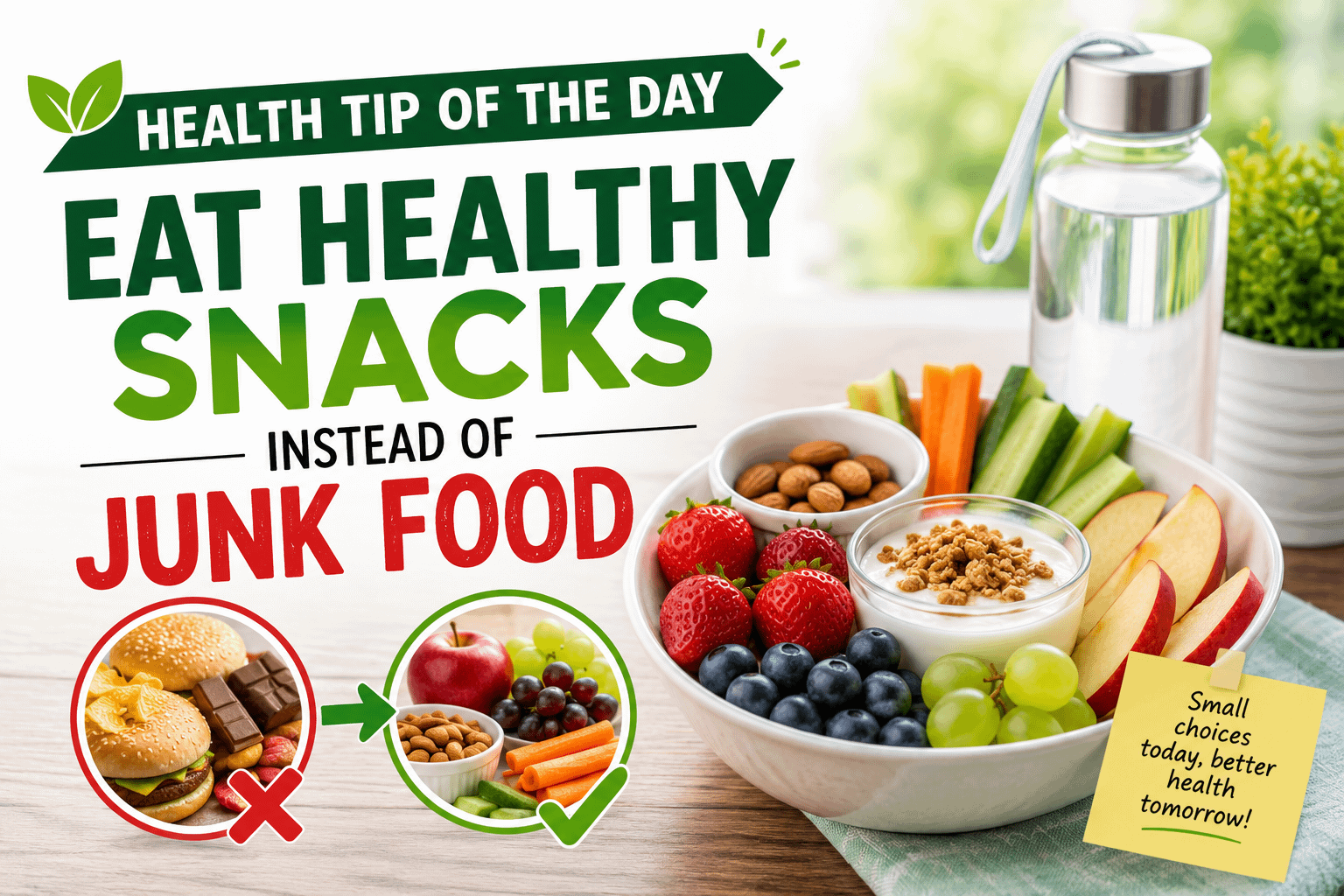
  • Health Tip of the Day: Eat Healthy Snacks Instead of Junk Food

    Health Tip of the Day: Eat Healthy Snacks Instead of Junk Food

    Snacking is a normal part of everyday life. Whether you’re hungry between breakfast and lunch, need something during a busy afternoon, or want a little food in the evening, snacks can help bridge the gap between meals.

    The important question isn’t necessarily whether you snack.

    It’s what you choose to snack on.

    There is a big nutritional difference between reaching for fresh fruit and a handful of nuts versus automatically grabbing candy, cookies, chips, pastries, or other highly processed foods.

    You don’t have to completely remove your favorite treats from your life. Healthy eating doesn’t require perfection. A more realistic goal is to make nutritious snacks your regular choice while enjoying less nutritious foods occasionally.

    Today’s Health Tip of the Day is:

    Eat Healthy Snacks Instead of Junk Food

    This sounds simple, but changing your snacking habits can have a meaningful impact on your overall eating pattern.

    Every snack is another opportunity to give your body something useful.

    Instead of viewing snacks simply as something to stop hunger, think of them as small opportunities to add fruits, vegetables, whole grains, protein, fiber, vitamins, minerals, and healthy fats to your day.


    Your Snacks Are Part of Your Overall Diet

    People often pay close attention to breakfast, lunch, and dinner while forgetting about everything they eat between those meals.

    But those little bites add up.

    Imagine eating relatively balanced meals throughout the day but also having a pastry in the morning, chips during the afternoon, candy after dinner, and soda throughout the day.

    Those choices become part of your overall eating pattern.

    The same thing happens in the opposite direction.

    If you regularly choose fruit, vegetables, nuts, yogurt, whole grains, or other nutritious foods between meals, you’re adding more valuable nutrients to your day.

    That’s why snacks shouldn’t necessarily be treated as an afterthought.

    Your snack choices matter too.


    Why Do We Crave Junk Food?

    Understanding why you reach for certain foods can make changing your habits easier.

    Sometimes you’re genuinely hungry.

    Other times, you may be eating because you’re bored, stressed, tired, watching television, driving, working, socializing, or simply because food is nearby.

    There is also the convenience factor.

    Packaged snack foods are designed to be easy.

    Open the package.

    Eat.

    Done.

    There’s nothing wrong with convenience, but healthy foods can be convenient too.

    A banana requires almost no preparation.

    Neither does an apple.

    A yogurt container can be opened in seconds.

    A handful of nuts can be portioned ahead of time.

    Baby carrots can be eaten straight from the refrigerator.

    Healthy eating becomes easier when nutritious choices are available when hunger arrives.


    Ask Yourself One Question Before Snacking

    Before grabbing something to eat, ask yourself:

    “Am I actually hungry?”

    You don’t need to overthink the answer.

    Simply taking a few seconds to recognize why you’re reaching for food can help you become more intentional.

    If you’re genuinely hungry, eat something.

    But if you’re eating because you’re bored, stressed, or simply accustomed to snacking at a certain time, you may decide that you don’t actually need food.

    You might drink some water, take a short walk, stretch, make tea, or simply wait a little while.

    This isn’t about denying yourself food.

    It’s about learning to recognize the difference between hunger and habit.


    Choose Snacks That Keep You Satisfied

    One of the problems with some highly processed snack foods is that they can be easy to overeat without leaving you satisfied for very long.

    That’s why it can help to choose snacks containing protein, fiber, or healthy fats.

    These nutrients can contribute to fullness and make your snack feel more substantial.

    For example:

    An apple is a nutritious snack.

    But an apple with peanut butter provides fruit and fiber along with protein and fat.

    Carrots are nutritious.

    But carrots with hummus provide additional protein and fat.

    Whole-grain crackers can be a good option.

    Adding cheese or hummus makes them more satisfying.

    Instead of thinking about individual foods, think about combinations.


    Try the Protein + Fiber Snack Formula

    One simple approach to healthier snacking is combining something containing protein with something containing fiber.

    Here are some easy examples:

    • Apple + peanut butter
    • Banana + almond butter
    • Berries + Greek yogurt
    • Carrots + hummus
    • Celery + peanut butter
    • Whole-grain crackers + cheese
    • Pear + cottage cheese
    • Nuts + fresh fruit
    • Hard-boiled egg + vegetables
    • Plain yogurt + fruit
    • Roasted chickpeas + vegetables
    • Whole-grain toast + avocado

    You don’t have to follow this formula every time you snack, but it’s a useful guideline when you want something more satisfying.


    Healthy Snack Ideas for Your Refrigerator

    Your refrigerator can become one of your greatest tools for healthier eating.

    Keep nutritious options prepared and visible.

    Some ideas include:

    Greek Yogurt

    Choose plain or lower-added-sugar varieties when possible and add your own fruit.

    Try adding:

    • Blueberries
    • Strawberries
    • Raspberries
    • Banana slices
    • Cinnamon
    • Chopped nuts

    Hard-Boiled Eggs

    Prepare several ahead of time and keep them refrigerated for a convenient source of protein.

    Hummus

    Pair hummus with:

    • Carrots
    • Celery
    • Bell peppers
    • Cucumber
    • Whole-grain crackers

    Cottage Cheese

    Try cottage cheese with:

    • Peaches
    • Pineapple
    • Berries
    • Tomatoes
    • Cucumber

    Fresh Vegetables

    Wash and cut vegetables ahead of time so they’re ready when you’re hungry.

    Having vegetables prepared removes one of the biggest excuses:

    “I don’t have time.”


    Healthy Snacks You Can Keep in the Pantry

    Not every healthy snack requires refrigeration.

    Consider keeping these options available:

    • Unsalted or lightly salted nuts
    • Seeds
    • Whole-grain crackers
    • Plain or lightly seasoned popcorn
    • Nut butter
    • Roasted chickpeas
    • Lower-added-sugar granola
    • Whole-grain cereal
    • Dried fruit in moderate portions

    Having healthier pantry options makes it easier to avoid automatically grabbing cookies, candy, or chips.


    Fruit Is Nature’s Convenient Snack

    Fruit is one of the easiest foods to incorporate into your snacking routine.

    Many fruits require little or no preparation.

    Grab an apple.

    Peel a banana.

    Wash some grapes.

    Slice a pear.

    Open a container of berries.

    Fruit provides carbohydrates along with nutrients such as fiber, vitamins, minerals, and antioxidants.

    Try keeping several types of fruit available so you don’t get bored.

    Good options include:

    • Apples
    • Bananas
    • Oranges
    • Grapes
    • Strawberries
    • Blueberries
    • Raspberries
    • Peaches
    • Pears
    • Watermelon
    • Cantaloupe
    • Kiwi
    • Pineapple

    Variety makes healthy eating more enjoyable.


    Use Fruit When You Want Something Sweet

    You don’t have to ignore your sweet tooth.

    Try satisfying it differently.

    If you’re craving candy, cookies, or another dessert, fruit can sometimes provide the sweetness you’re looking for.

    Try frozen grapes on a hot afternoon.

    Freeze banana slices and enjoy them as a cold snack.

    Mix strawberries and blueberries into Greek yogurt.

    Slice an apple and sprinkle it with cinnamon.

    Add a small amount of peanut butter to banana slices.

    You can even create a simple yogurt parfait with berries, yogurt, nuts, and a small amount of granola.

    Healthy food doesn’t have to be boring.


    What About Chips?

    For many people, chips are one of the hardest snacks to replace.

    They’re crunchy, salty, convenient, and easy to eat.

    You don’t necessarily have to swear them off forever.

    Instead, experiment with alternatives when you want something crunchy.

    Try:

    • Air-popped popcorn
    • Roasted chickpeas
    • Carrots
    • Cucumber slices
    • Bell pepper strips
    • Whole-grain crackers
    • Nuts
    • Seeds

    And if you decide you really want chips?

    Put a reasonable portion into a bowl instead of sitting down with the entire bag.

    That small change creates a natural stopping point.


    Stop Eating Straight From the Package

    This is one of the easiest changes you can make.

    Large bags and containers make it difficult to recognize how much you’ve eaten.

    You might tell yourself:

    “I’ll just have a few.”

    Then suddenly half the bag is gone.

    Instead, portion your snack into a bowl or small plate.

    Put the package away.

    Then sit down and enjoy what you’ve chosen.

    This strategy works for chips, crackers, popcorn, nuts, trail mix, cookies, and many other foods.


    Portion Size Still Matters With Healthy Foods

    A food can be nutritious and still be calorie-dense.

    Nuts are a perfect example.

    They’re packed with nutrients and healthy fats, but it’s easy to eat several servings without realizing it.

    Nut butter is another example.

    The same applies to:

    • Cheese
    • Granola
    • Trail mix
    • Dried fruit
    • Avocado
    • Seeds

    The lesson isn’t to avoid these foods.

    It’s simply to remember:

    Healthy doesn’t automatically mean unlimited.


    Be Careful With “Healthy” Packaged Snacks

    Marketing can be misleading.

    A package might say:

    “Natural.”

    “Made with whole grains.”

    “Protein.”

    “Organic.”

    “Low fat.”

    But those words don’t automatically tell you whether a product fits your nutritional goals.

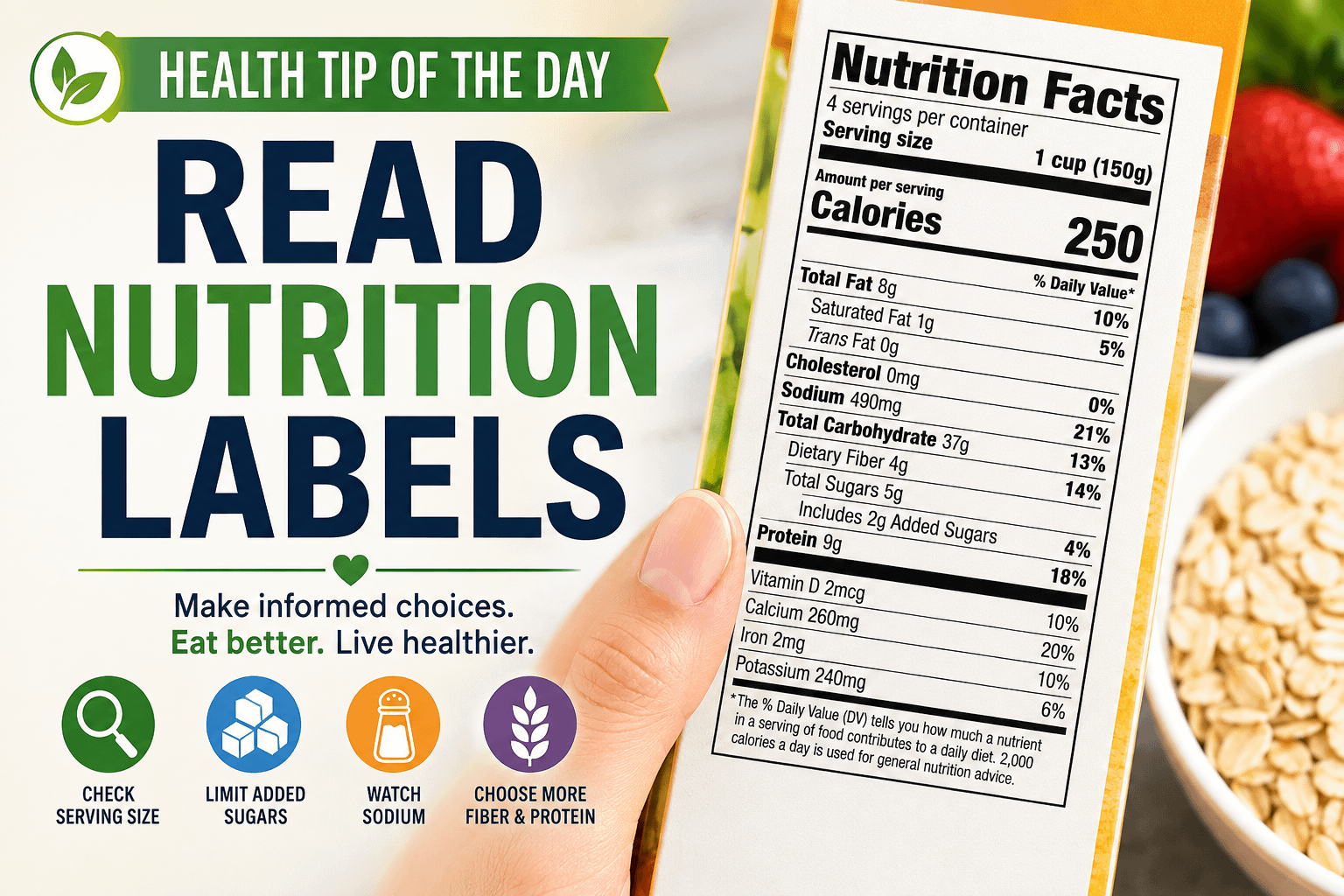
    That’s why the Nutrition Facts label can be helpful.

    Check things such as:

    • Serving size
    • Calories
    • Added sugars
    • Sodium
    • Saturated fat
    • Fiber
    • Protein

    Also look at the ingredient list.

    You don’t need to become obsessed with labels. Simply learning to glance at them can help you compare similar products and make more informed decisions.


    Watch Liquid Calories Too

    Snacks aren’t always solid food.

    Sugary beverages can contribute a significant amount of added sugar and calories without making you feel particularly full.

    Examples can include:

    • Regular soda
    • Sweet tea
    • Energy drinks
    • Some coffee drinks
    • Fruit-flavored drinks
    • Certain sports drinks

    Water is usually an excellent everyday beverage.

    Other options can include unsweetened tea, sparkling water without added sugar, or water flavored with lemon, lime, cucumber, berries, or mint.


    Drink Water Before Automatically Snacking

    Sometimes thirst can feel similar to hunger.

    If you recently ate but suddenly feel like snacking, try drinking a glass of water.

    Wait a few minutes.

    Then ask yourself whether you’re still hungry.

    If you are, have a nutritious snack.

    This isn’t a trick for avoiding food. It’s simply a way to make sure you’re responding to what your body actually needs.


    Plan Your Snacks Before Leaving Home

    Some of our least nutritious food choices happen when we’re away from home.

    You’re driving.

    You’re working.

    You’re running errands.

    You’re hungry.

    Suddenly the vending machine, convenience store, or fast-food restaurant becomes extremely tempting.

    Planning ahead can make a big difference.

    Before leaving home, grab something portable.

    Good options include:

    • Banana
    • Apple
    • Orange
    • Small portion of nuts
    • Whole-grain crackers
    • Homemade trail mix
    • Peanut butter sandwich on whole-grain bread

    If you have a cooler or insulated lunch bag, your choices expand even further.

    You could bring:

    • Yogurt
    • Cheese
    • Vegetables and hummus
    • Hard-boiled eggs
    • Cottage cheese
    • Fresh berries

    A few minutes of preparation can save you from making an impulsive choice later.


    Keep Emergency Snacks Available

    Consider keeping a few nutritious shelf-stable snacks in places where you frequently get hungry.

    That might include:

    Your car

    Your desk

    Your work bag

    Your backpack

    Options such as nuts, whole-grain crackers, or other shelf-stable snacks can help when hunger catches you unexpectedly.

    Just remember to consider food-safety and temperature requirements, especially in a hot vehicle.


    Create a Healthy Snack Station at Home

    You can make healthier choices even easier by creating a designated area for snacks.

    Put nutritious pantry snacks together in one cabinet or basket.

    In the refrigerator, designate one shelf or container for ready-to-eat foods.

    You might keep:

    • Washed fruit
    • Cut vegetables
    • Yogurt
    • Cheese
    • Hard-boiled eggs
    • Hummus
    • Cottage cheese

    Then when you’re hungry, you don’t have to search for something.

    Your healthier choices are waiting for you.


    Don’t Grocery Shop Hungry

    Going grocery shopping when you’re extremely hungry can make highly tempting snack foods harder to resist.

    When possible, eat before shopping.

    Also consider making a grocery list.

    If you know what you’re buying before entering the store, you’re less likely to fill your cart with impulse purchases.

    Your healthy eating habits often begin before you even get home.

    They begin at the grocery store.


    What You Keep at Home Matters

    Willpower is helpful, but your environment can be even more powerful.

    If your kitchen is filled with candy, cookies, pastries, chips, and soda, you’ll constantly have to decide whether to eat them.

    If your kitchen is filled with fruit, vegetables, yogurt, nuts, hummus, and other nutritious foods, healthy choices become easier.

    You don’t necessarily need to ban every treat from your home.

    Instead, change the balance.

    Make nutritious food the easiest option.


    Don’t Label Foods as “Good” and “Bad”

    Food doesn’t need to become a moral issue.

    Eating broccoli doesn’t make you a good person.

    Eating a cookie doesn’t make you a bad person.

    A healthier mindset is to think about foods in terms of frequency.

    Some foods are excellent everyday choices.

    Others are better enjoyed occasionally.

    This approach allows you to improve your eating habits without turning food into something associated with guilt.


    Enjoy Your Favorite Foods in Moderation

    You can eat healthy and still enjoy:

    Pizza.

    Ice cream.

    Cookies.

    Cake.

    Chips.

    Chocolate.

    The key is what you do most of the time.

    If your everyday eating pattern contains plenty of fruits, vegetables, whole grains, lean proteins, and other nutrient-rich foods, enjoying an occasional treat can fit into a balanced lifestyle.

    Trying to eat perfectly can sometimes lead to an all-or-nothing mentality.

    You eat one cookie and think:

    “Well, I already messed up.”

    Then one cookie becomes five.

    Instead, enjoy the cookie.

    Then continue with your normal healthy choices.

    One snack doesn’t determine your health.

    Your habits do.


    Healthy Snacking at Night

    Evening snacking can be difficult because it often happens out of habit rather than hunger.

    You sit down to watch television and automatically want something to eat.

    Before reaching for food, ask yourself whether you’re genuinely hungry.

    If you are, choose something satisfying.

    You might try:

    • Greek yogurt and berries
    • Apple and peanut butter
    • A small bowl of popcorn
    • Cottage cheese and fruit
    • Banana and a few nuts

    If you’re not hungry, consider making tea or drinking water instead.

    Sometimes breaking the association between television and eating is the biggest challenge.


    Healthy Snacks for Busy Days

    When life gets hectic, convenience matters.

    You aren’t always going to have time to prepare an elaborate snack.

    Fortunately, healthy snacks don’t need to be complicated.

    An apple and a handful of nuts takes seconds.

    A banana and peanut butter requires almost no preparation.

    Greek yogurt can be opened immediately.

    Carrots and hummus can be prepared ahead of time.

    Healthy eating doesn’t have to involve spending hours in the kitchen.

    Simple is perfectly fine.


    Make Small Changes Instead of Trying to Change Everything

    Imagine someone who currently eats several processed snacks every day.

    Trying to eliminate everything immediately might feel overwhelming.

    Instead, start with one snack.

    If you normally eat chips every afternoon, replace that snack with fruit three days this week.

    Once that feels normal, increase it.

    Then work on another habit.

    Small changes are easier to maintain because they allow you to gradually build a healthier lifestyle.


    Create Your Own Healthy Snack List

    Take five minutes and write down 10 healthy snacks you genuinely enjoy.

    Not foods you think you’re supposed to like.

    Foods you actually like.

    For example:

    1. Apples and peanut butter
    2. Greek yogurt and strawberries
    3. Popcorn
    4. Carrots and hummus
    5. Banana and almonds
    6. Cottage cheese and pineapple
    7. Whole-grain crackers and cheese
    8. Hard-boiled eggs
    9. Grapes and walnuts
    10. Celery and peanut butter

    Keep the list on your refrigerator or phone.

    When you’re hungry and don’t know what to eat, look at your list.

    Removing the decision-making process can make healthy choices easier.


    Prepare Tomorrow’s Snacks Tonight

    Before going to bed, think about tomorrow.

    Will you be working?

    Running errands?

    Driving for several hours?

    Spending the afternoon away from home?

    Take a few minutes to prepare snacks.

    Wash an apple.

    Portion some nuts.

    Pack yogurt.

    Cut vegetables.

    Fill your water bottle.

    Healthy living often comes down to preparation.

    The person you are tonight can make tomorrow easier for you.


    Your Health Is Built Through Everyday Decisions

    People often look for dramatic ways to become healthier.

    But health is frequently influenced by ordinary decisions repeated over time.

    What you drink.

    What you snack on.

    How much you move.

    How much you sleep.

    What you put on your plate.

    None of these decisions may feel life-changing in the moment.

    But repeated hundreds or thousands of times, they become your lifestyle.

    That’s why replacing even one less nutritious snack each day can be worthwhile.

    You aren’t simply changing one snack.

    You’re practicing a healthier habit.


    Don’t Give Up After an Unhealthy Day

    Maybe yesterday wasn’t your healthiest day.

    Maybe you ate too much.

    Maybe you had chips, cookies, fast food, and soda.

    That’s okay.

    Today is another opportunity to make a different choice.

    You don’t need to punish yourself.

    You don’t need to skip meals.

    You don’t need to promise yourself you’ll never eat junk food again.

    Simply make your next choice a little healthier.

    That’s one of the most important lessons in improving your health:

    You can always make a better choice next time.


    Health Tip of the Day: Make the Healthy Choice the Easy Choice

    If there’s one idea to remember from today’s health tip, it’s this:

    Don’t depend entirely on willpower. Prepare your environment for success.

    Buy fruit you enjoy.

    Keep vegetables washed and ready.

    Portion nuts ahead of time.

    Keep yogurt in the refrigerator.

    Carry a healthy snack when you’re away from home.

    Drink water throughout the day.

    And don’t feel guilty when you occasionally enjoy something simply because you like it.

    Healthy eating isn’t about creating a perfect diet.

    It’s about creating better habits.


    Today’s Healthy Snack Challenge

    Here’s your challenge for today:

    Replace one junk-food snack with a more nutritious option.

    That’s it.

    You don’t need to completely change your diet today.

    If you normally eat chips, try popcorn, vegetables with hummus, or fruit and nuts.

    If you normally eat a candy bar, try an apple with peanut butter or Greek yogurt with berries.

    If you normally drink soda with your afternoon snack, try water or unsweetened tea.

    Then tomorrow, do it again.

    One healthier snack becomes two.

    Two healthier choices become a routine.

    That routine becomes a habit.

    And over time, those habits become part of your lifestyle.

    Final Thought

    Your health isn’t determined by one meal, one snack, or one imperfect day.

    It’s shaped by the choices you make consistently.

    So the next time hunger hits between meals, don’t automatically reach for whatever is easiest.

    Take a moment and ask:

    “What can I eat right now that I’ll enjoy and that will also give my body something it needs?”

    Maybe it’s an apple and peanut butter.

    Maybe it’s yogurt and berries.

    Maybe it’s vegetables and hummus.

    Maybe it’s a handful of nuts and a piece of fruit.

    The choice doesn’t need to be complicated.

    Choose something nutritious. Enjoy it. Then keep moving forward.

    Small choices matter.

    Small habits matter.

    And choosing a healthier snack today is one simple way to take better care of yourself—one bite at a time.

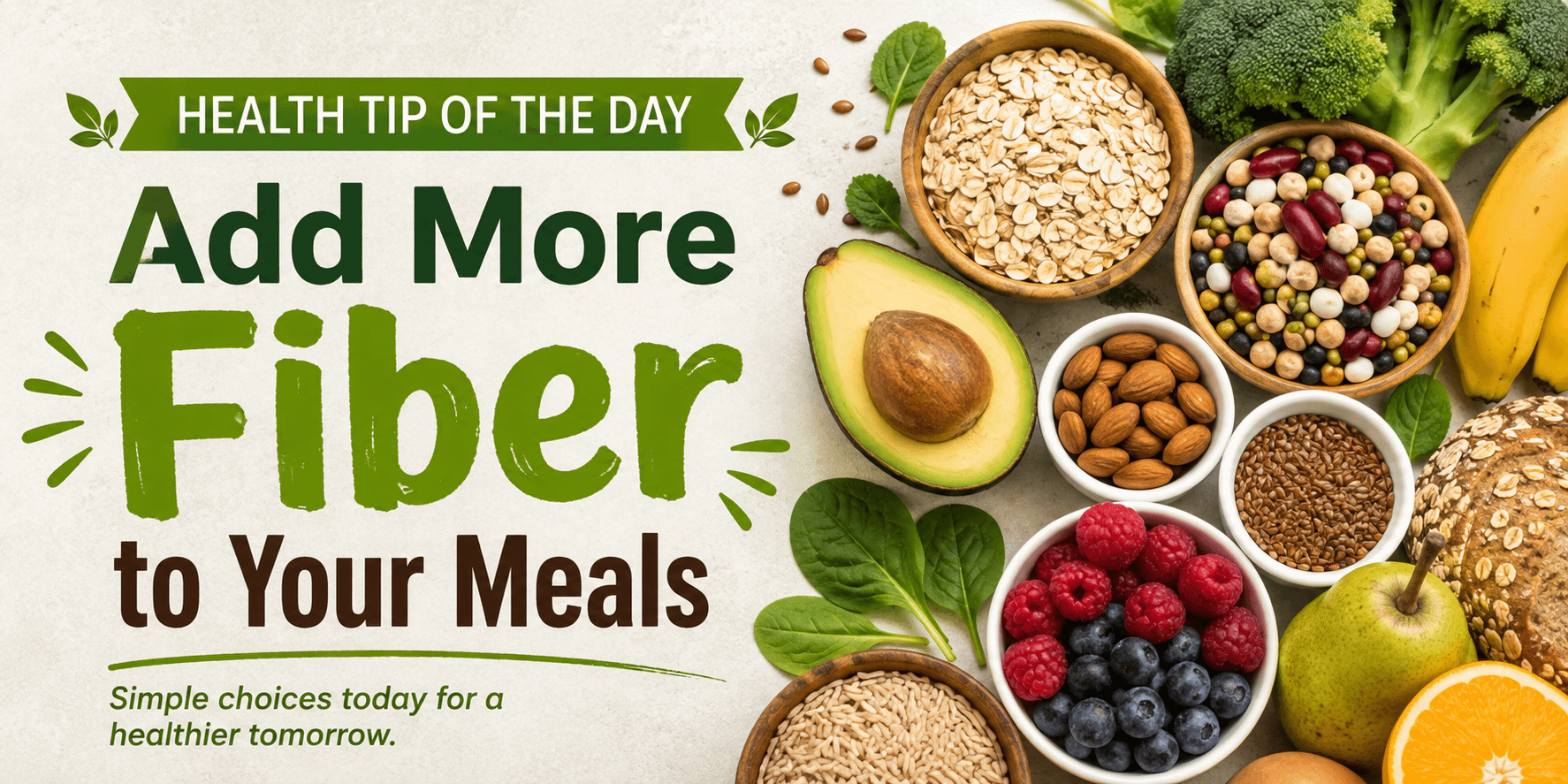
  • Health Tip of the Day: Add More Fiber to Your Meals

    Health Tip of the Day: Add More Fiber to Your Meals

    When people decide they want to eat healthier, they often begin by thinking about what they should remove from their diet. They may try to eat less sugar, reduce processed foods, cut back on fried foods, or watch their portions.

    But healthy eating isn’t only about what you take away.

    Sometimes one of the best things you can do is add more nutritious foods to what you’re already eating.

    One simple place to start is fiber.

    Dietary fiber is naturally found in fruits, vegetables, beans, lentils, whole grains, nuts, and seeds. Although your body doesn’t digest fiber the same way it digests proteins, fats, and many other carbohydrates, fiber plays an important role in supporting digestive health and overall wellness.

    Getting more fiber doesn’t have to mean eating bland meals or completely changing your favorite recipes. You can gradually increase your intake by adding berries to breakfast, vegetables to dinner, beans to soups and tacos, or whole grains to meals you already enjoy.

    Small changes can make healthy eating much easier to maintain.

    What Exactly Is Fiber?

    Fiber is a type of carbohydrate found primarily in plant foods.

    Unlike sugars and starches, much of dietary fiber isn’t broken down and absorbed by the body in the usual way. Instead, it moves through the digestive system and contributes to several important processes.

    Fiber is generally described as either soluble or insoluble.

    Soluble Fiber

    Soluble fiber dissolves in water and forms a gel-like material in the digestive tract.

    Sources include foods such as:

    • Oats
    • Barley
    • Beans
    • Lentils
    • Apples
    • Citrus fruits
    • Carrots
    • Peas
    • Chia seeds
    • Flaxseed

    Soluble fiber can contribute to healthy cholesterol levels and may help slow digestion.

    Insoluble Fiber

    Insoluble fiber doesn’t dissolve in water. Instead, it adds bulk and helps material move through the digestive system.

    Common sources include:

    • Whole grains
    • Wheat bran
    • Nuts
    • Seeds
    • Green beans
    • Cauliflower
    • Potatoes with the skin
    • Many other vegetables

    You don’t need to carefully calculate how much soluble and insoluble fiber you’re getting at every meal.

    Eating a variety of whole plant foods throughout the week will generally provide both.

    Why Fiber Deserves More Attention

    Fiber isn’t the most glamorous nutrient.

    Protein gets a lot of attention. Vitamins and minerals are frequently discussed. Carbohydrates and fats are constantly debated.

    Fiber sometimes gets reduced to a conversation about staying regular.

    But fiber does much more than that.

    A fiber-rich eating pattern can support digestive health, contribute to feelings of fullness, support healthy cholesterol levels, and help moderate how quickly carbohydrates are absorbed.

    Fiber-rich foods also tend to contain many other nutrients.

    When you eat berries, you’re not only getting fiber. You’re also getting vitamins and naturally occurring plant compounds.

    When you eat beans, you’re getting fiber along with plant protein and minerals.

    When you eat vegetables, you’re getting fiber plus vitamins, minerals, water, and other nutrients.

    That’s why getting fiber from a variety of whole foods can be such a useful approach.

    Fiber Supports a Healthy Digestive System

    Digestive health is probably the benefit most people associate with fiber.

    Insoluble fiber helps add bulk to stool, while other forms of fiber can help support normal bowel function.

    When fiber intake is paired with adequate fluid intake, it can help support regular bowel movements.

    But there’s another fascinating part of digestive health that deserves attention: your gut microbiome.

    Your digestive tract contains a massive community of microorganisms. Certain types of dietary fiber can be fermented by beneficial bacteria in your colon.

    In simple terms, some fibers help feed the microorganisms that live in your digestive system.

    This is another reason eating a variety of plant foods can be beneficial.

    Different foods provide different types of fibers and plant compounds.

    Instead of eating the exact same vegetable every day, try rotating what you eat throughout the week.

    Fiber Can Help You Feel Satisfied

    One of the biggest challenges with improving your diet is hunger.

    A diet that constantly leaves you hungry is difficult to maintain.

    Fiber-rich foods can help meals feel more satisfying because fiber often slows digestion and adds volume to food.

    Imagine two snacks:

    A glass of apple juice.

    Or a whole apple with a small handful of nuts.

    Both come from the same fruit family, but the whole apple provides substantially more fiber than the juice. The apple also requires chewing and takes longer to eat.

    Adding the nuts provides additional fiber, protein, and fat.

    That combination can make the snack more satisfying.

    This illustrates an important principle:

    Whole foods often provide benefits that highly processed versions don’t provide to the same degree.

    Fiber Can Support Healthy Weight Management

    Fiber isn’t a magical weight-loss ingredient.

    However, fiber-rich foods can be useful as part of an overall healthy eating pattern because they can increase the volume and satisfaction of meals.

    Vegetables, fruits, beans, and whole grains can help you build meals that feel substantial without relying entirely on highly processed foods.

    For example, instead of drastically shrinking your dinner portion, consider changing what’s on the plate.

    You might include:

    A serving of lean protein.

    A serving of whole grains or potatoes.

    A generous portion of vegetables.

    Perhaps beans, lentils, or a side salad.

    You still have a full plate, but you’re incorporating more fiber-rich foods.

    Healthy eating often becomes easier when you focus on improving the composition of your meals rather than simply eating less food.

    Fiber and Heart Health

    Soluble fiber has received particular attention for its relationship with cholesterol.

    Certain soluble fibers can bind with substances in the digestive tract and help reduce cholesterol absorption.

    Oats, barley, beans, lentils, apples, and citrus fruits are examples of foods that provide soluble fiber.

    But heart health isn’t determined by a single nutrient.

    Your overall eating pattern matters.

    A diet containing plenty of vegetables, fruits, whole grains, beans, nuts, and seeds can provide fiber along with numerous nutrients that contribute to overall health.

    Fiber and Blood Sugar

    Fiber can also influence the digestion and absorption of carbohydrates.

    Highly refined carbohydrates that contain little fiber can be digested relatively quickly.

    Foods containing more fiber generally take longer to digest.

    This is one reason choosing less-refined carbohydrate sources can be helpful.

    Instead of thinking:

    “Carbohydrates are bad.”

    A better question may be:

    “What type of carbohydrate am I eating?”

    There’s a significant nutritional difference between a highly processed sugary pastry and a bowl of oatmeal topped with berries and nuts.

    Both contain carbohydrates.

    But their fiber content, nutrient composition, and effect on fullness can be very different.

    Start Your Morning With Fiber

    Breakfast provides an easy opportunity to increase your fiber intake.

    If you normally eat oatmeal, try adding:

    • Blueberries
    • Raspberries
    • Strawberries
    • Banana
    • Chia seeds
    • Ground flaxseed
    • Walnuts
    • Almonds

    If you prefer eggs, add vegetables such as spinach, mushrooms, peppers, onions, or tomatoes.

    Serve your eggs with whole-grain toast and fruit.

    If you eat yogurt, top it with berries, nuts, seeds, or a higher-fiber cereal.

    If you enjoy smoothies, use whole fruits and vegetables rather than relying only on juice.

    You don’t have to transform breakfast overnight.

    Start by adding one fiber-rich ingredient.

    Give Your Sandwich an Upgrade

    Sandwiches can be another easy place to add fiber.

    Choose whole-grain bread when possible.

    Then add vegetables such as:

    • Lettuce
    • Spinach
    • Tomatoes
    • Cucumbers
    • Bell peppers
    • Avocado
    • Shredded carrots

    You can also serve your sandwich with fruit, vegetables, or a bean-based side instead of automatically choosing chips.

    The sandwich doesn’t have to disappear from your diet.

    You simply make the meal more balanced.

    Make Taco Night More Fiber-Friendly

    Tacos are a perfect example of how fiber can be added without sacrificing enjoyment.

    Start with your preferred protein and add ingredients such as:

    • Black beans
    • Pinto beans
    • Lettuce
    • Tomatoes
    • Corn
    • Cabbage
    • Avocado
    • Peppers
    • Onions
    • Salsa

    You can even mix beans into ground meat to increase fiber while stretching the filling.

    Serve the tacos with a side of beans or a vegetable-based salad.

    You’re still eating tacos.

    You’ve simply added more plant foods.

    Add Vegetables to Pasta

    Pasta can also become a vehicle for vegetables.

    Try adding:

    • Spinach
    • Broccoli
    • Mushrooms
    • Zucchini
    • Tomatoes
    • Bell peppers
    • Peas
    • Onions
    • Eggplant

    You can add several vegetables directly to your sauce.

    Whole-grain pasta is another option for increasing fiber.

    Again, you don’t necessarily need to eliminate pasta. Think about how you can build more nutrition into the meal.

    Beans Are One of the Easiest Fiber Boosters

    Beans are incredibly versatile.

    Black beans can go into tacos and burritos.

    Kidney beans work well in chili.

    Chickpeas can be added to salads.

    White beans can be incorporated into soups.

    Pinto beans work well with rice.

    Lentils can be added to soups, stews, curries, and casseroles.

    You can also replace part of the meat in certain dishes with beans or lentils.

    For example, if you’re preparing chili, you might use lean ground meat alongside several varieties of beans.

    The result can still be hearty and satisfying while containing considerably more fiber.

    Eat the Whole Fruit More Often

    Fruit juice can contain vitamins, but much of the fiber naturally found in whole fruit may be lost or greatly reduced during processing.

    When possible, choose the whole fruit.

    Instead of orange juice, eat an orange.

    Instead of apple juice, eat an apple.

    Instead of grape juice, eat grapes.

    Instead of a fruit-flavored snack, eat berries or another piece of fruit.

    Whole fruit provides fiber along with naturally occurring vitamins, minerals, and plant compounds.

    Keep the Skin When Appropriate

    Some fruits and vegetables provide additional fiber in their edible skins.

    Examples include:

    • Apples
    • Pears
    • Potatoes
    • Sweet potatoes
    • Cucumbers

    When the skin is edible and appropriate for the recipe, leaving it on can help retain fiber and other nutrients.

    Just wash produce thoroughly before eating or cooking it.

    Fiber-Friendly Snacks

    Snacks are another opportunity to improve your daily fiber intake.

    Instead of thinking about snacks as something you need to eliminate, improve what you’re snacking on.

    Consider options such as:

    • Apple slices with peanut butter
    • Pears
    • Berries
    • Oranges
    • Carrots with hummus
    • Celery with peanut butter
    • Nuts
    • Seeds
    • Air-popped popcorn
    • Whole-grain crackers
    • Roasted chickpeas
    • Vegetables with bean dip

    You can still enjoy less nutritious snacks occasionally.

    The goal is balance, not perfection.

    Build a Fiber-Rich Salad

    Salads can provide plenty of fiber, but they don’t have to consist of nothing but lettuce.

    Create a more satisfying salad by combining vegetables with protein and fiber-rich ingredients.

    Start with greens and add ingredients such as:

    • Tomatoes
    • Cucumbers
    • Carrots
    • Bell peppers
    • Broccoli
    • Chickpeas
    • Black beans
    • Corn
    • Avocado
    • Nuts
    • Seeds
    • Berries
    • Apples

    Add your preferred protein and dressing.

    A well-built salad can become a full meal rather than something that leaves you hungry an hour later.

    Soup Can Be a Fiber Powerhouse

    Homemade soups and stews provide another easy way to combine multiple fiber-rich ingredients in one dish.

    Consider adding:

    Carrots, celery, onions, tomatoes, potatoes, beans, lentils, peas, barley, leafy greens, or other vegetables.

    A vegetable and bean soup can contain several different plant foods in a single bowl.

    It’s also an excellent way to use vegetables that might otherwise go unused in your refrigerator.

    Don’t Be Afraid of Frozen Vegetables

    Fresh vegetables are great, but frozen vegetables can be equally convenient and nutritious.

    Keeping bags of frozen broccoli, peas, mixed vegetables, spinach, or cauliflower available can make it much easier to add vegetables to meals.

    You don’t have to wash and chop everything.

    Heat the vegetables and add them to rice bowls, pasta, soups, casseroles, eggs, or side dishes.

    Convenience matters.

    The easier healthy food is to prepare, the more likely you are to eat it consistently.

    Canned Foods Can Help Too

    Canned beans and vegetables can also make adding fiber easier.

    Look for options that fit your nutritional needs, and consider rinsing canned beans before using them.

    Keeping beans in your pantry means you can quickly add them to:

    Tacos, salads, soups, chili, rice bowls, casseroles, or pasta dishes.

    Healthy eating doesn’t always require complicated meal preparation.

    Sometimes convenience is exactly what helps a healthier habit stick.

    How Much Fiber Should You Get?

    Recommended fiber intake varies by age, sex, and individual circumstances.

    For many adults, commonly cited daily targets fall somewhere around 25 to 38 grams per day, although individual recommendations can differ.

    Rather than becoming overly focused on hitting an exact number every day, begin by examining your overall eating pattern.

    How often do you eat vegetables?

    How often do you eat whole fruit?

    Do you regularly eat beans or lentils?

    Are most of your grains refined or whole?

    Do nuts and seeds occasionally appear in your meals?

    Answering those questions can give you a useful picture of whether you’re regularly eating fiber-rich foods.

    A Simple Fiber Check for Every Meal

    Here’s an easy habit that doesn’t require counting calories or tracking nutrients.

    Before eating, look at your plate and ask:

    “Where is my fiber?”

    Maybe it’s the broccoli.

    Maybe it’s the beans.

    Maybe it’s the brown rice.

    Maybe it’s the whole-grain bread.

    Maybe it’s the berries.

    Maybe it’s the salad.

    If you can’t identify a meaningful fiber source, consider adding one.

    That simple question can gradually improve the nutritional quality of many meals.

    Increase Fiber Slowly

    More isn’t always better when it comes to making sudden dietary changes.

    If you currently eat very little fiber and suddenly begin eating large quantities of beans, vegetables, bran, and seeds, your digestive system may not appreciate the change.

    You could experience:

    • Gas
    • Bloating
    • Cramping
    • Abdominal discomfort
    • Changes in bowel habits

    Increase your fiber intake gradually.

    For example, add fruit to breakfast for several days.

    Then begin adding more vegetables to lunch.

    Later, incorporate beans into dinner a few times each week.

    Give your digestive system time to adjust.

    Remember to Drink Fluids

    Fiber and hydration work together.

    Some types of fiber absorb water, which helps contribute to softer, bulkier stool.

    When increasing fiber intake, make sure you’re also drinking adequate fluids throughout the day.

    Your individual hydration needs can vary based on your body size, activity level, environment, diet, medications, and health conditions.

    Water is usually an excellent primary beverage choice.

    Food First Is a Good Starting Point

    Fiber supplements can be helpful in certain circumstances, but whole foods provide much more than isolated fiber.

    An apple gives you fiber plus vitamins and plant compounds.

    Beans provide fiber plus protein and minerals.

    Oats provide fiber along with several nutrients.

    Vegetables provide fiber, vitamins, minerals, and other beneficial compounds.

    That’s why getting fiber from a variety of foods is generally an excellent starting point.

    If you’re considering a fiber supplement because of digestive concerns or a medical condition, discussing it with a healthcare professional can help determine what’s appropriate for you.

    Read Food Labels

    Packaged foods can vary dramatically in fiber content.

    Two breads may look similar but contain very different amounts of dietary fiber.

    The same is true for:

    • Cereals
    • Tortillas
    • Crackers
    • Pasta
    • Granola
    • Snack bars

    Look at the Nutrition Facts label and find the line labeled Dietary Fiber.

    Compare similar products.

    Choosing the higher-fiber option can sometimes increase your daily fiber intake without changing the type of food you’re eating.

    Don’t Assume “Whole Grain” Means Unlimited

    Whole-grain foods can provide more fiber and nutrients than their refined counterparts, but portions still matter.

    A food isn’t automatically healthy in unlimited quantities just because it contains whole grains.

    Think about your overall meal.

    Combine whole grains with vegetables, protein, and healthy fats.

    Balance matters more than relying on any single food.

    Make Fiber Convenient

    One of the biggest secrets to eating healthier is making healthier choices easy.

    Keep fruit where you can see it.

    Store washed vegetables where they’re easy to grab.

    Keep frozen vegetables in the freezer.

    Stock canned beans in the pantry.

    Keep oatmeal available for breakfast.

    Have nuts or seeds ready for snacks.

    Buy whole-grain bread when you shop.

    When fiber-rich foods are readily available, you’re much more likely to eat them.

    A Simple One-Day Fiber-Friendly Meal Idea

    You don’t need an elaborate meal plan to incorporate more fiber.

    Breakfast

    Oatmeal topped with berries, sliced banana, and a sprinkle of nuts or seeds.

    Morning Snack

    An apple with peanut butter.

    Lunch

    A turkey or chicken sandwich on whole-grain bread with lettuce, tomato, and avocado, served with carrots or fruit.

    Afternoon Snack

    Air-popped popcorn or vegetables with hummus.

    Dinner

    Grilled chicken, fish, lean meat, tofu, or another protein served with brown rice, beans, and roasted vegetables.

    Dessert

    Fresh berries with yogurt.

    You don’t have to eat exactly this way. It’s simply an example of how fiber-rich foods can naturally appear throughout the day.

    Try the “Add One” Challenge

    Instead of trying to completely transform your diet tomorrow, try something simpler.

    For the next week, add one fiber-rich food to every main meal.

    At breakfast, add fruit.

    At lunch, add vegetables.

    At dinner, add beans, vegetables, or a whole grain.

    That’s it.

    Once that habit becomes comfortable, add another.

    Small improvements are easier to maintain than dramatic restrictions.

    Healthy Eating Doesn’t Have to Mean Giving Up Everything You Enjoy

    This is one of the most important lessons about nutrition.

    You don’t need to survive on salads.

    You don’t have to swear off pasta forever.

    You don’t need to stop eating tacos.

    You don’t need to give up sandwiches.

    Instead, look for opportunities to improve the meals you already enjoy.

    Add vegetables to your pasta.

    Add beans to your tacos.

    Choose whole-grain bread for your sandwich.

    Serve vegetables alongside your favorite dinner.

    Top breakfast with fruit.

    Healthy eating becomes much more sustainable when it works with your life instead of constantly fighting against it.

    Who Should Be More Careful About Increasing Fiber?

    Although fiber is an important part of a healthy diet for most people, some medical conditions require individualized dietary recommendations.

    People experiencing certain digestive disorders, bowel conditions, recent gastrointestinal surgery, or other medical issues may sometimes be advised to temporarily limit particular types of fiber.

    Medications and individual health circumstances can also influence dietary recommendations.

    If you have a medical condition affecting digestion or have been instructed to follow a specific diet, talk with your healthcare provider or registered dietitian before making major changes.

    Nutrition isn’t always one-size-fits-all.

    Health Tip of the Day: Add More Fiber to Your Meals

    Today’s challenge is simple:

    Add one more fiber-rich food to your next meal.

    Put berries in your oatmeal.

    Add an apple to lunch.

    Put spinach in your eggs.

    Add black beans to your tacos.

    Mix broccoli into your pasta.

    Choose whole-grain bread.

    Snack on nuts.

    Add vegetables to your dinner.

    You don’t have to do everything at once.

    Choose one.

    Then tomorrow, do it again.

    Over time, those small decisions become habits.

    Final Thoughts

    Taking better care of your health doesn’t always require dramatic changes.

    Sometimes it’s about looking at the meal already sitting in front of you and asking one simple question:

    “What healthy food can I add?”

    Fiber-rich foods are an excellent answer.

    Fruits, vegetables, beans, lentils, whole grains, nuts, and seeds can bring more fiber, nutrients, texture, flavor, and variety to your meals.

    Start gradually. Drink enough fluids. Experiment with different foods. Find fiber-rich options you genuinely enjoy.

    Most importantly, don’t let the pursuit of a perfect diet prevent you from making small improvements.

    One apple won’t transform your health overnight.

    One serving of broccoli won’t either.

    But an apple today, vegetables tomorrow, beans later in the week, and whole grains more often can become something much bigger.

    They become a pattern.

    And your everyday patterns are what ultimately shape your lifestyle.

    Today’s Health Tip of the Day: Don’t only think about what you need to remove from your diet. Look for something healthy you can add. Start with fiber, start small, and keep building healthier meals one choice at a time.

    Read More Health & Wellness

  • Health Tip of the Day: Practice Portion Control

    Health Tip of the Day: Practice Portion Control

    When people decide they want to eat healthier, they often immediately start thinking about everything they need to stop eating.

    No more desserts. No more pizza. No more chips. No more pasta. No more eating out.

    But developing healthier eating habits doesn’t always require eliminating the foods you enjoy. Sometimes, one of the most useful changes you can make is much simpler:

    Pay attention to how much you’re eating.

    Today’s Health Tip of the Day is: Practice portion control.

    Portion control is about becoming more aware of the amount of food you’re eating at meals and snacks. Instead of automatically filling your plate, eating directly from packages, or continuing until you’re uncomfortably full, you learn to serve reasonable amounts and pay attention to your body’s hunger and fullness signals.

    It isn’t about starving yourself.

    It isn’t about obsessively measuring every bite.

    And it doesn’t mean you can never enjoy a larger meal or special treat.

    It’s about creating awareness, balance, and healthier habits that you can realistically maintain.

    What Is Portion Control?

    Portion control simply means being intentional about the amount of food you choose to eat.

    A portion is the amount of food you decide to put on your plate, pour into your glass, or eat as a snack. Portions can be larger or smaller than the serving size listed on a food package.

    For example, you might pour yourself a bowl of cereal without thinking about how much you’re actually eating. What looks like “one bowl” could contain multiple labeled servings depending on the size of your bowl and how much cereal you pour.

    The same thing can happen with pasta, chips, crackers, salad dressing, beverages, desserts, and countless other foods.

    Portion control helps bring awareness back into the equation.

    Instead of asking only, “What am I eating?”

    You also begin asking, “How much am I eating?”

    Both questions matter.

    Why Portion Control Is Important

    Your body needs energy and nutrients from food. But consistently eating more energy than your body uses can contribute to weight gain over time.

    Portion control can make it easier to manage your overall food intake without making every meal feel restrictive.

    It may also help you become more mindful about your eating habits.

    You may begin noticing things you previously overlooked.

    Maybe your dinner portions have gradually become larger.

    Maybe you’re eating snacks directly from family-size packages.

    Maybe you’re finishing restaurant meals simply because the food is there.

    Maybe you’re having seconds before you’ve given yourself enough time to determine whether you’re actually still hungry.

    None of these habits makes you a failure.

    They’re simply habits.

    And habits can be changed.

    Serving Size vs. Portion Size

    Understanding the difference between a serving and a portion can be extremely helpful.

    A serving size is a standardized amount used on food labels to provide nutrition information.

    A portion size is the amount you actually choose to eat.

    Suppose a snack package lists a serving size of 10 crackers. If you eat 20 crackers, your portion is approximately two labeled servings.

    That doesn’t automatically mean you’ve done something wrong. It simply means the nutrition information needs to be considered based on the amount you actually consumed.

    This is why reading Nutrition Facts labels can be helpful.

    Pay attention to:

    • Serving size
    • Servings per container
    • Calories per serving
    • Added sugars
    • Sodium
    • Saturated fat
    • Dietary fiber
    • Protein

    You don’t have to obsess over every number. The goal is simply to become better informed about what you’re eating.

    Portion Distortion Can Happen Easily

    One reason portion control can be challenging is that we become accustomed to whatever amount we’re regularly served.

    Large restaurant meals can begin to look normal.

    Oversized drinks can begin to look normal.

    Huge bowls of pasta can begin to look normal.

    Extra-large snacks can begin to look normal.

    Eventually, a reasonable portion can look unusually small simply because our expectations have changed.

    This is sometimes described as portion distortion.

    Becoming aware of portion sizes can help reset those expectations.

    Start With a Little Less

    One simple strategy is to serve yourself slightly less than you normally would.

    You don’t have to dramatically reduce your meal.

    Just start with a reasonable amount.

    Then eat slowly.

    If you’re still genuinely hungry afterward, you can always have more.

    This approach can work better than automatically loading your plate with a large amount and feeling obligated to finish everything.

    Remember:

    You can always get seconds.

    You don’t have to start with them.

    Try Using Smaller Plates and Bowls

    The dishes you use can influence how you perceive portions.

    A moderate amount of food can look small when placed in the middle of an oversized dinner plate. The same amount can look much more substantial on a smaller plate.

    Consider experimenting with smaller plates, bowls, and glasses when appropriate.

    This doesn’t mean you need to purchase special “diet dishes.”

    It’s simply a visual strategy that may help you become more comfortable with reasonable portions.

    Don’t Eat Straight From the Package

    This is one of the easiest portion-control habits to implement.

    Instead of sitting down with an entire bag of chips, crackers, cookies, popcorn, or nuts, place a portion into a bowl.

    Then put the package away.

    When you’re eating directly from a large container, there isn’t always a clear stopping point. You may continue reaching into the package without realizing how much you’ve eaten.

    A bowl creates a visual boundary.

    When the bowl is empty, you have an opportunity to pause and decide whether you’re actually still hungry.

    Slow Down and Taste Your Food

    Eating slowly can be an important part of portion control.

    When you’re extremely hungry or distracted, it’s easy to eat quickly. Before you know it, your plate is empty and you’re already reaching for more.

    Try slowing the meal down.

    Take a bite.

    Chew thoroughly.

    Taste the food.

    Put your fork down occasionally.

    Drink some water.

    Talk with the people around you.

    Give your body time to register what’s happening.

    Eating should be an experience, not simply something you rush through.

    Remove Distractions When Possible

    Think about how often you eat while doing something else.

    Watching television.

    Scrolling through your phone.

    Working at your computer.

    Driving.

    Playing video games.

    Reading.

    When your attention is somewhere else, it can become harder to notice how much you’re eating.

    You might reach the bottom of a snack bag and barely remember eating it.

    When possible, try giving your meal your attention.

    Sit down.

    Look at your food.

    Taste it.

    Notice when you’re beginning to feel satisfied.

    You don’t need every meal to become a formal dining experience, but being more present can help you become more aware of your portions.

    Learn Your Hunger Signals

    Portion control becomes easier when you learn to recognize physical hunger.

    Physical hunger may develop gradually and can include sensations such as an empty stomach, stomach growling, reduced energy, or difficulty concentrating.

    But sometimes the desire to eat comes from something completely different.

    You may want food because you’re:

    • Bored
    • Stressed
    • Lonely
    • Tired
    • Anxious
    • Celebrating
    • Socializing
    • Watching television
    • Procrastinating
    • Following a routine

    Before automatically eating, ask yourself:

    “What am I feeling right now?”

    If you’re physically hungry, eat.

    If you’re eating for another reason, simply recognizing that pattern can be valuable.

    Stop Before You Feel Stuffed

    There’s a difference between feeling satisfied and feeling stuffed.

    You don’t have to eat until you’re uncomfortable.

    During your meal, periodically check in with yourself.

    Ask:

    “Am I still hungry?”

    If the answer is yes, continue eating.

    A little later, ask again.

    Eventually, you may notice the transition from hungry to satisfied.

    That’s an important signal.

    You don’t necessarily have to finish everything on your plate simply because it’s there.

    Let Go of the “Clean Your Plate” Rule

    Many people grew up hearing:

    “Finish everything on your plate.”

    That message may have been taught with good intentions, particularly because wasting food isn’t ideal.

    But forcing yourself to continue eating after you’re comfortably full isn’t necessarily the best solution either.

    Instead, consider serving smaller portions initially.

    If you prepare too much food, save the leftovers.

    Tomorrow’s lunch is better than eating beyond comfortable fullness simply because you don’t want food left on the plate.

    Build a Balanced Plate

    Portion control isn’t only about making portions smaller.

    It’s also about creating balance.

    A nutritious meal can include a variety of foods such as vegetables, fruits, protein foods, grains or other carbohydrate sources, and healthy fats according to your individual nutritional needs.

    Instead of filling most of your plate with one food, try creating variety.

    For example, dinner might include:

    Grilled chicken, roasted vegetables, brown rice, and fruit.

    Or:

    Fish, potatoes, a large salad, and vegetables.

    Or:

    Beans, vegetables, rice, salsa, and avocado.

    There isn’t one perfect plate that works for everyone. Individual nutritional needs vary.

    The larger lesson is to think about balance rather than simply quantity.

    Vegetables Can Help Add Volume

    One way to make meals feel satisfying without relying entirely on oversized portions of calorie-dense foods is to include plenty of vegetables.

    Vegetables can add:

    Color.

    Texture.

    Flavor.

    Fiber.

    Nutrients.

    Volume.

    For example, instead of eating an enormous bowl consisting almost entirely of pasta, you might have a moderate portion of pasta accompanied by vegetables and a source of protein.

    You’re not eliminating the pasta.

    You’re creating a more balanced meal around it.

    Include Protein With Your Meals

    Protein is another important component of balanced eating.

    Protein-containing foods may include poultry, fish, eggs, beans, lentils, dairy foods, soy foods, nuts, seeds, and lean meats, depending on your preferences and dietary needs.

    Including protein as part of a balanced meal can contribute to fullness and provides nutrients your body needs.

    Again, portion control isn’t about removing entire categories of food.

    It’s about finding reasonable balance.

    Be Mindful of Liquid Calories

    Portion control doesn’t stop with what’s on your plate.

    Drinks matter too.

    Depending on the beverage, a large drink can contribute a significant amount of calories and added sugar.

    Examples may include:

    Sweetened coffee drinks.

    Regular soda.

    Sweet tea.

    Energy drinks.

    Milkshakes.

    Fruit drinks.

    Certain specialty beverages.

    You don’t necessarily have to eliminate these beverages completely, but consider their portion sizes too.

    Water is a convenient calorie-free option for staying hydrated.

    Be Careful With Sauces and Dressings

    Some foods are easy to underestimate because we don’t think about them as part of the main meal.

    Salad dressing is a good example.

    So are sauces, spreads, dips, butter, mayonnaise, syrups, and oils.

    A salad can contain nutritious vegetables, protein, and other wholesome ingredients, but pouring a large amount of dressing over it can significantly change the meal.

    You don’t need to eat everything dry.

    Just be mindful of how much you’re using.

    Sometimes a smaller amount provides plenty of flavor.

    Portion Snacks Before Sitting Down

    Snacking is one area where portion control can make a noticeable difference.

    If you buy large packages, consider dividing some foods into individual containers or bags.

    For example:

    Instead of grabbing a large bag of nuts, portion some into a small container.

    Instead of bringing an entire box of crackers to your desk, put some on a plate.

    Instead of taking the ice cream container to the couch, serve some in a bowl.

    Small barriers can help interrupt automatic eating.

    Restaurant Portions Can Be Huge

    Eating at restaurants presents a different challenge because you don’t control how much food arrives on your plate.

    Some restaurant meals may provide more food than you need at one sitting.

    Remember:

    You don’t have to finish everything.

    You can ask for a takeout container and save some for later.

    You might even decide before eating that part of the meal will become tomorrow’s lunch.

    You can also consider sharing an entrée or choosing smaller menu options when available.

    The goal isn’t to avoid restaurants.

    It’s to recognize that the portion served by a restaurant doesn’t automatically determine how much you need to eat.

    Buffets Require Extra Awareness

    Buffets can make portion control especially challenging because there are so many choices and unlimited opportunities to return for more.

    If you’re at a buffet, consider walking around and looking at the options before filling your plate.

    Choose foods you genuinely want rather than taking everything simply because it’s available.

    Start with a reasonable amount.

    Eat slowly.

    Then wait before deciding whether you want more.

    You can still enjoy the experience without treating it like a challenge to eat as much as possible.

    Holidays and Celebrations Are Different

    Thanksgiving dinner doesn’t have to look exactly like Tuesday’s lunch.

    Birthdays happen.

    Holidays happen.

    Vacations happen.

    Weddings happen.

    Family celebrations happen.

    There will be occasions when you eat more than you normally would.

    That’s part of life.

    A healthy lifestyle needs enough flexibility to include celebrations.

    Instead of feeling guilty afterward, simply return to your normal routine.

    One meal doesn’t define your eating habits.

    Your overall pattern matters much more.

    Portion Control and Dessert

    Yes, you can still have dessert.

    Portion control can actually help make favorite foods easier to include in an overall balanced lifestyle.

    Instead of thinking:

    “I can never eat cake again.”

    You might think:

    “I’m going to enjoy a piece of cake.”

    Then actually enjoy it.

    Eat slowly.

    Taste it.

    Appreciate it.

    You don’t necessarily need a massive portion to enjoy the experience.

    Sometimes a smaller amount of something you truly enjoy can be more satisfying than a large amount eaten quickly and distractedly.

    Don’t Punish Yourself for Overeating

    Everyone overeats occasionally.

    Maybe dinner tasted amazing.

    Maybe it was Thanksgiving.

    Maybe you were extremely hungry.

    Maybe you weren’t paying attention.

    Whatever happened, don’t turn one meal into a reason to abandon your healthy habits.

    Avoid the mentality:

    “I already messed up, so it doesn’t matter anymore.”

    It does matter.

    Your next decision still matters.

    Simply acknowledge what happened and return to your normal eating pattern.

    Healthy habits are built through consistency, not perfection.

    Portion Control Doesn’t Mean Starvation

    This point is extremely important.

    Portion control is not about trying to eat the smallest possible amount.

    Your body needs adequate nutrition.

    If you’re hungry, you should not ignore persistent hunger simply because you’re trying to control portions.

    Your individual energy and nutrition needs depend on many factors, including age, body size, activity level, health conditions, medications, pregnancy status, and other considerations.

    Someone who is highly active may need different portions than someone who is less active.

    Children have different needs from adults.

    Older adults may have different nutritional concerns.

    There is no single portion size that is perfect for everyone.

    If you have specific nutritional needs or health conditions, consider talking with a physician or registered dietitian for personalized guidance.

    Try the Pause Before Seconds

    Here’s an easy habit you can practice today.

    After finishing your first plate, wait several minutes before getting another serving.

    Drink some water.

    Talk with someone.

    Clean up part of the kitchen.

    Give yourself a moment.

    Then ask:

    “Am I still physically hungry?”

    If you are, have more.

    If you aren’t, you may realize the first portion was enough.

    That short pause can interrupt automatic eating.

    Plan Before You Become Extremely Hungry

    Portion control can become much harder when you’re starving.

    If you’ve gone most of the day without eating and suddenly find yourself standing in front of the refrigerator, carefully considering portions may be the last thing on your mind.

    Planning regular meals and appropriate snacks can help some people avoid becoming excessively hungry.

    Preparation matters.

    Having nutritious options available makes healthier decisions easier.

    Keep Healthy Foods Visible

    Your environment can influence your eating habits.

    Consider keeping foods you want to eat more frequently in convenient places.

    For example:

    Keep fruit somewhere visible.

    Prepare vegetables ahead of time.

    Place yogurt where it’s easy to grab.

    Keep water nearby.

    Store portioned snacks where they’re convenient.

    At the same time, foods you tend to overeat don’t necessarily need to sit directly in front of you all day.

    Sometimes changing the environment is easier than relying entirely on willpower.

    Measure Occasionally to Learn Portions

    You don’t necessarily need to weigh and measure everything you eat forever.

    However, occasionally measuring common foods can help you understand what portions actually look like.

    You might measure cereal once to see how much fits into your usual bowl.

    You could measure rice, pasta, nuts, dressing, or another commonly eaten food.

    Once you’ve seen the amount, estimating it in the future may become easier.

    Think of measuring as an educational exercise rather than something you must obsess over.

    Eat From a Plate Whenever Possible

    Eating while standing at the refrigerator, leaning over the kitchen counter, or walking around the house makes it easy to lose track of how much you’ve consumed.

    Try putting your food on a plate or in a bowl and sitting down.

    This simple habit creates a beginning and an end to the eating experience.

    You’re consciously choosing:

    “This is what I’m eating.”

    That awareness is at the heart of portion control.

    Give Yourself Permission to Enjoy Food

    Food is more than fuel.

    Food is part of:

    Family.

    Culture.

    Celebration.

    Tradition.

    Comfort.

    Community.

    Memories.

    Enjoyment.

    A healthy relationship with food shouldn’t require you to be afraid of everything you eat.

    Portion control gives you another option.

    Instead of banning every favorite food, you can learn how to enjoy many foods in amounts that fit into your overall eating pattern.

    Small Changes Can Become Big Habits

    You don’t have to completely overhaul your diet today.

    Choose one small portion-control habit.

    Maybe you:

    Use a smaller dinner plate.

    Put snacks into a bowl.

    Wait before getting seconds.

    Take half your restaurant meal home.

    Eat without your phone.

    Slow down at dinner.

    Add vegetables to your plate.

    Check the serving size on packaged foods.

    Choose a smaller beverage.

    Any one of these is progress.

    Once that habit becomes easier, add another.

    Healthy living is often built one small decision at a time.

    Today’s Portion-Control Challenge

    For your next meal, try this simple exercise.

    Before eating, look at your plate.

    Ask yourself:

    “Did I choose this amount intentionally, or did I simply serve what I normally serve?”

    Then sit down and eat slowly.

    Halfway through the meal, pause.

    Ask:

    “How hungry am I right now?”

    Continue eating if you’re hungry.

    When you begin feeling comfortably satisfied, notice that feeling.

    You don’t have to immediately change anything.

    Simply becoming more aware is progress.

    A Healthier Relationship With Food

    Ultimately, portion control isn’t simply about controlling calories.

    It’s about developing awareness.

    You’re learning to recognize hunger.

    You’re learning to recognize fullness.

    You’re learning how different foods affect how you feel.

    You’re learning that you don’t necessarily need to clean your plate.

    You’re learning that you can enjoy your favorite foods without automatically eating large amounts.

    You’re learning that healthy eating doesn’t have to be all or nothing.

    Those lessons can help create a healthier and more sustainable relationship with food.

    Final Thoughts

    Practicing portion control doesn’t mean depriving yourself. It means becoming more intentional about the amount of food you eat.

    You don’t need to fear your favorite foods.

    You don’t need to make every meal perfect.

    You don’t need to completely change your diet overnight.

    Start small.

    Use a smaller plate.

    Serve snacks instead of eating from the package.

    Slow down.

    Pause before getting seconds.

    Listen to your body’s hunger and fullness signals.

    Pay attention to restaurant portions.

    Build balanced meals.

    Most importantly, give yourself patience while you’re developing new habits.

    Healthy living isn’t created by one perfect meal. It’s built through the choices you make repeatedly over time.

    Health Tip of the Day: Practice portion control—not because you should eat as little as possible, but because learning how much your body needs can help you make more mindful, balanced choices.

    Your health journey doesn’t have to begin with a dramatic change.

    Sometimes it can begin with something as simple as putting a little less on your plate, slowing down, and asking yourself:

    “Am I still hungry?”

    That small moment of awareness can be the beginning of a healthier habit.

    Read More Health & Wellness

  • Health Tip of the Day: Read Nutrition Labels

    Health Tip of the Day: Read Nutrition Labels

    Walking through a grocery store can sometimes feel overwhelming. Packages are covered with phrases such as “natural,” “high protein,” “whole grain,” “low fat,” “no added sugar,” and “heart healthy.” Bright colors and carefully chosen words can make almost every product seem like a healthy choice.

    But the most useful information is often found on the back or side of the package.

    The Nutrition Facts label can help you understand what you’re actually eating.

    Learning how to read nutrition labels is one of the simplest habits you can develop when trying to make more informed food choices. You don’t need to become a nutrition expert, count every calorie, or analyze every ingredient you consume.

    You simply need to know what to look for.

    Today’s Health Tip of the Day is:

    Read the nutrition label before buying packaged foods and beverages.

    Taking an extra 10 or 20 seconds to look at a label can help you compare products, understand portion sizes, identify nutrients you may want more or less of, and become more aware of what you’re putting into your body.

    Over time, this small habit can become part of a healthier lifestyle.

    Why Nutrition Labels Matter

    Food labels give you information that advertisements on the front of packages often don’t.

    A product may look healthy because of its packaging, name, or marketing claims. However, turning it around and reading the Nutrition Facts label may tell a more complete story.

    Nutrition labels can help you understand:

    • How large a serving actually is
    • How many calories are in a serving
    • How much sodium the food contains
    • How much added sugar is present
    • How much saturated fat it contains
    • How much dietary fiber it provides
    • How much protein you’re getting
    • Which vitamins and minerals are included

    Most importantly, labels allow you to compare similar products.

    You don’t necessarily need to know whether every number is ideal. Sometimes simply comparing two products can help.

    If one soup contains considerably less sodium than another while providing similar calories, protein, and ingredients, you have useful information for making your decision.

    Start With the Serving Size

    Before looking at calories, sugar, sodium, or anything else, look at the serving size.

    This is one of the most important parts of the entire label because most of the nutritional information is based on that amount.

    Imagine you buy a snack containing:

    150 calories per serving

    That might sound reasonable.

    But then you notice that the package contains three servings.

    If you eat the entire package, you’re consuming approximately:

    450 calories.

    The same calculation applies to other nutrients.

    If each serving contains 400 milligrams of sodium and you eat three servings, that’s approximately 1,200 milligrams of sodium.

    This is why serving size matters.

    Before interpreting the rest of the label, ask yourself:

    How much of this food am I realistically going to eat?

    The serving size on the package may not necessarily match the amount you normally consume.

    Check Servings Per Container

    Right beside or near the serving size, you’ll usually find the number of servings in the container.

    This can be especially useful for beverages, snack foods, frozen meals, desserts, and packaged convenience foods.

    Some containers look like single-serving products but actually contain multiple servings.

    It’s easy to finish the entire package without realizing that the nutritional information you were reading applied to only part of it.

    Getting into the habit of checking both serving size and servings per container can prevent this misunderstanding.

    Calories Are Information, Not the Entire Story

    Calories tell you how much energy a food provides.

    They are useful information, but calories shouldn’t be the only thing you consider.

    A lower-calorie food isn’t automatically more nutritious.

    For example, two snacks might contain similar calories while providing very different amounts of protein, fiber, added sugar, sodium, vitamins, and minerals.

    Instead of asking only:

    “How many calories does this have?”

    Consider asking:

    “What am I getting for those calories?”

    Does the food provide protein?

    Does it contain fiber?

    Does it offer important nutrients?

    Is it high in sodium or added sugar?

    Looking at the complete nutritional picture can help you make a more informed choice.

    Pay Attention to Added Sugars

    Sugar can be found in obvious places such as candy, cookies, soda, and desserts.

    But added sugar can also appear in foods you might not immediately think of as sweet.

    Examples can include:

    • Pasta sauce
    • Salad dressing
    • Flavored oatmeal
    • Breakfast cereal
    • Granola
    • Protein bars
    • Flavored yogurt
    • Coffee drinks
    • Sports drinks
    • Barbecue sauce
    • Ketchup
    • Bread
    • Packaged snacks

    This is why the Added Sugars section of the Nutrition Facts label can be helpful.

    Total sugars include naturally occurring sugars and added sugars.

    For example, plain dairy milk contains naturally occurring sugar. Fruit also naturally contains sugar.

    Added sugars are different because they are introduced during processing or preparation.

    Checking the added-sugar line can help you see how much sweetness has been added to a product.

    Hidden Sugar Can Add Up Quickly

    You might not eat much candy or dessert and still consume significant amounts of added sugar throughout the day.

    Imagine having:

    Sweetened coffee in the morning.

    Flavored yogurt with breakfast.

    A sweetened beverage at lunch.

    A granola bar during the afternoon.

    Barbecue sauce with dinner.

    None of those choices individually may seem excessive.

    But together, added sugars can accumulate.

    Reading labels gives you the opportunity to notice these patterns.

    You don’t necessarily need to eliminate every source of added sugar.

    Instead, you can decide where you truly enjoy it and where you could easily choose an alternative with less.

    Watch the Sodium

    Sodium is another nutrient that deserves attention.

    Many people associate sodium primarily with the salt shaker, but a significant amount can come from packaged, prepared, and restaurant foods.

    Common sources can include:

    • Canned soups
    • Frozen meals
    • Deli meats
    • Pizza
    • Chips
    • Crackers
    • Sauces
    • Condiments
    • Salad dressings
    • Instant noodles
    • Packaged side dishes
    • Processed meats

    Some foods can contain substantial sodium even if they don’t taste extremely salty.

    That’s why checking the label is useful.

    Compare Sodium Between Brands

    You don’t always have to stop eating foods you enjoy.

    Sometimes you can simply compare brands.

    Suppose you’re buying canned soup.

    Brand A might contain significantly more sodium per serving than Brand B.

    If you enjoy both, choosing the lower-sodium version can be an easy change.

    Do this repeatedly with different foods and those small choices can add up.

    This is one of the biggest advantages of reading nutrition labels:

    You can improve your choices without completely changing what you eat.

    Understand Saturated Fat

    Fat is an essential part of the diet, but different types of fat affect the body differently.

    Nutrition labels provide information about total fat and saturated fat.

    When comparing similar products, pay attention to the saturated-fat content alongside the rest of the nutritional information.

    Rather than assuming anything labeled “low fat” is automatically healthier, examine the whole label.

    Sometimes manufacturers reduce one component while changing another.

    The Nutrition Facts panel helps you see the bigger picture.

    Look for Dietary Fiber

    Fiber is an important nutrient that deserves more attention.

    Dietary fiber supports normal digestive function and can contribute to satisfying meals.

    Fiber is naturally found in foods such as:

    • Vegetables
    • Fruits
    • Beans
    • Lentils
    • Whole grains
    • Nuts
    • Seeds

    When purchasing packaged foods such as bread, cereal, tortillas, crackers, or snack bars, compare the fiber content.

    Products that appear very similar on the front of the package may contain very different amounts of fiber.

    “Whole Grain” Doesn’t Always Tell the Whole Story

    A package might prominently advertise that it is “made with whole grains.”

    That statement can sound impressive.

    But how much whole grain does the product actually contain?

    Check the ingredient list.

    Ingredients are generally listed in descending order by weight.

    If a whole grain appears near the beginning of the ingredient list, it makes up a more significant portion of the product than an ingredient appearing near the end.

    Don’t rely only on the color of bread, crackers, or cereal either.

    Brown coloring doesn’t automatically mean something is whole grain.

    Read the label.

    Check the Protein

    Protein is essential for many functions in the body, including maintaining and repairing tissues.

    Protein can also contribute to meals that feel satisfying.

    When choosing packaged foods, looking at the protein content can help you understand what the product contributes to your meal.

    However, don’t let the phrase “high protein” automatically convince you that something is nutritious.

    Turn the package around.

    A protein bar, shake, cereal, or snack may contain substantial protein while also containing significant amounts of added sugar, sodium, or saturated fat.

    Look at the whole product.

    Learn to Use the % Daily Value

    The % Daily Value (%DV) can help you quickly determine whether a serving contains relatively little or a lot of a nutrient.

    A useful general guideline is:

    5% Daily Value or less is considered low.

    20% Daily Value or more is considered high.

    This can make labels much easier to understand.

    Instead of trying to memorize how many milligrams of every nutrient you should consume, the %DV gives you context.

    Depending on your individual needs, you may look for foods containing more nutrients such as:

    • Dietary fiber
    • Vitamin D
    • Calcium
    • Iron
    • Potassium

    You may also want to be more mindful of products especially high in:

    • Sodium
    • Saturated fat
    • Added sugars

    Individual nutritional needs can vary, so people with specific health conditions or dietary requirements should follow guidance from their healthcare professional or registered dietitian.

    Don’t Ignore the Ingredient List

    The Nutrition Facts panel tells you the amount of certain nutrients.

    The ingredient list tells you what the product is made from.

    Both are valuable.

    Ingredients are generally listed from greatest to smallest by weight.

    That means the first few ingredients often tell you a lot about the product.

    When comparing foods, take a quick look at those first ingredients.

    This can be especially helpful when shopping for:

    Bread.

    Cereal.

    Granola.

    Snack bars.

    Sauces.

    Frozen meals.

    Crackers.

    Yogurt.

    Packaged snacks.

    The ingredient list can also help people identify ingredients they need or prefer to avoid.

    Learn Different Names for Added Sugar

    Sugar doesn’t always appear on an ingredient list simply as the word “sugar.”

    Different sweeteners can appear under different names.

    Examples may include:

    • Cane sugar
    • Brown sugar
    • Corn syrup
    • High-fructose corn syrup
    • Honey
    • Maple syrup
    • Agave
    • Molasses
    • Dextrose
    • Fructose
    • Glucose
    • Malt syrup

    This doesn’t mean you need to fear every ingredient that contains sugar.

    It simply shows why reading the Added Sugars line on the Nutrition Facts label can make things easier.

    Instead of trying to recognize every possible sweetener, you can see how much added sugar the product contains per serving.

    Don’t Let Marketing Make the Decision for You

    Food manufacturers know that certain words attract health-conscious shoppers.

    Packages may contain statements such as:

    Natural

    Organic

    Made with real fruit

    High protein

    Low fat

    Reduced sodium

    No added sugar

    Gluten free

    Whole grain

    Some of these claims have specific regulatory meanings, but no single claim tells you everything about a food’s nutritional profile.

    For example, something can be gluten-free and still contain considerable added sugar.

    Something can be low-fat and still be high in sodium.

    Something can contain whole grains while also containing significant added sugar.

    Something can contain protein while also being high in calories.

    That’s why you should look beyond the front of the package.

    Marketing may get your attention. The label helps you investigate the product more closely.

    “No Added Sugar” Doesn’t Mean Sugar-Free

    This is another important distinction.

    A product labeled “no added sugar” can still contain naturally occurring sugars.

    For example, products containing fruit or milk can contain sugar even when no additional sugar has been added.

    That’s why it’s useful to read both:

    Total Sugars

    and

    Added Sugars

    They provide different information.

    Don’t Assume “Organic” Means Low-Calorie

    Organic foods can certainly be part of a healthy eating pattern.

    But the word organic doesn’t automatically mean a product is low in calories, sugar, sodium, or saturated fat.

    Organic cookies are still cookies.

    Organic candy can still contain plenty of sugar.

    Organic chips can still contain substantial sodium.

    Choose organic foods if that’s important to you, but still read the nutrition information.

    Be Careful With Drinks

    Beverages are one of the easiest places to overlook calories and added sugars.

    Because drinks don’t always feel like food, it’s easy to consume them without considering their nutritional impact.

    Check labels on:

    • Soda
    • Energy drinks
    • Sports drinks
    • Sweet tea
    • Bottled coffee
    • Flavored coffee drinks
    • Juice beverages
    • Lemonade
    • Smoothies
    • Flavored waters

    Pay particular attention to serving size.

    A bottle that looks like one drink may sometimes contain more than one serving.

    Read Labels on “Healthy” Snacks Too

    Granola bars.

    Protein bars.

    Trail mix.

    Smoothies.

    Flavored yogurt.

    Vegetable chips.

    Protein cookies.

    These products may fit into a balanced diet, but don’t assume they’re automatically healthier because of their branding.

    Some can contain significant amounts of calories, added sugars, sodium, or saturated fat.

    Check the label just as you would with any other packaged food.

    Compare Apples to Apples

    When comparing two products, make sure their serving sizes are similar.

    For example:

    Product A might have 150 calories per serving.

    Product B might have 220 calories per serving.

    At first glance, Product A seems like the obvious lower-calorie option.

    But what if Product A’s serving size is 30 grams and Product B’s serving size is 50 grams?

    The comparison becomes more complicated.

    Always look at serving sizes before deciding which numbers are better.

    Use Labels to Build Better Meals

    Nutrition labels aren’t just useful for deciding whether a food is “good” or “bad.”

    They can help you build more balanced meals.

    Suppose you’re eating a frozen entrée that is relatively low in fiber.

    You could add vegetables or fruit.

    If your breakfast cereal doesn’t provide much protein, you might pair it with a protein-containing food.

    If a meal is already high in sodium, you might choose lower-sodium foods for the rest of the meal.

    Instead of viewing foods individually, think about how they fit together.

    Don’t Label Foods as “Good” or “Bad”

    Food doesn’t need to become a moral judgment.

    Eating a cookie doesn’t make you unhealthy.

    Eating a salad doesn’t automatically make your entire diet healthy.

    Health is influenced by patterns over time.

    There is room for nutritious foods, convenience foods, celebrations, desserts, restaurant meals, and favorite treats.

    Nutrition labels are tools for awareness—not reasons for guilt.

    The goal is to understand what you’re eating so you can make decisions intentionally.

    Grocery Shopping Becomes Easier With Practice

    Reading every label during your first grocery trip might take extra time.

    But eventually, you’ll become familiar with the products you buy regularly.

    You may discover:

    Which bread gives you more fiber.

    Which pasta sauce has less sodium.

    Which yogurt has less added sugar.

    Which cereal provides more fiber and protein.

    Which frozen meal better fits your preferences.

    Once you find products you like, you don’t necessarily need to compare them every single week.

    Label reading becomes quicker with experience.

    Try the 10-Second Label Check

    If you’re overwhelmed by all the information, use this simple approach.

    Before buying a packaged food, spend approximately ten seconds checking:

    1. Serving size

    How much does the nutrition information actually represent?

    2. Calories

    How much energy does one serving provide?

    3. Added sugar

    How much sugar was added during processing?

    4. Sodium

    Is the product especially high in sodium?

    5. Saturated fat

    How much does a serving contain?

    6. Fiber and protein

    Does the product provide nutrients that contribute to your overall eating pattern?

    You don’t need to conduct a nutritional investigation every time you go shopping.

    A quick glance can provide plenty of useful information.

    Start With One Change

    If you’ve never paid much attention to nutrition labels, don’t try to change everything at once.

    Choose one category.

    For example:

    This week, compare the sodium in different soups.

    Next week, compare the added sugar in breakfast cereals.

    After that, look at the fiber in different breads.

    Then compare protein and added sugar in yogurts.

    Small lessons accumulate.

    Before long, you’ll understand labels much more naturally.

    Teach Your Family to Read Labels

    Label reading can also be a useful skill to teach children and teenagers.

    Instead of simply telling them certain foods are “healthy” or “unhealthy,” show them how to find information themselves.

    Ask questions such as:

    How many servings are in this package?

    How much added sugar is in one serving?

    Which cereal has more fiber?

    Which soup contains less sodium?

    Teaching someone how to evaluate information can be more useful than simply telling them what to eat.

    Remember That Your Needs Are Individual

    Nutrition labels provide standardized information, but everyone’s nutritional needs are not identical.

    Your needs can vary based on factors including:

    • Age
    • Activity level
    • Body size
    • Pregnancy
    • Health conditions
    • Medications
    • Personal dietary needs
    • Medical recommendations

    Someone managing a particular medical condition may need to pay closer attention to certain nutrients.

    If you have specific health concerns or dietary restrictions, a physician or registered dietitian can help you determine what numbers and nutrients deserve the most attention.

    You Don’t Have to Be Perfect

    One of the biggest mistakes people make when trying to improve their health is believing they must suddenly become perfect.

    You don’t.

    You don’t need the perfect grocery cart.

    You don’t need the perfect meal plan.

    You don’t need to eliminate everything you enjoy.

    And you certainly don’t need to feel guilty every time you choose something simply because you like it.

    Healthy living is usually built through consistency, not perfection.

    Maybe today you choose a cereal with less added sugar.

    Tomorrow you select a bread with more fiber.

    Next week you discover a lower-sodium sauce you enjoy.

    Those choices may seem insignificant individually.

    Together, they can become healthier habits.

    Knowledge Gives You More Control

    There is an important difference between eating something without realizing what’s in it and choosing to eat it after understanding the nutritional information.

    Reading labels gives you that choice.

    You might read the label on your favorite dessert and decide:

    “Yes, I still want it.”

    That’s okay.

    You made an informed decision.

    Other times you might compare two products and realize:

    “I like both of these, so I’ll choose the one with less added sugar.”

    That’s also an informed decision.

    The purpose of nutrition labels isn’t to control you.

    They’re there to give you information so you can make the decision.

    Small Choices Become Habits

    Most lasting health improvements don’t happen because of one dramatic decision.

    They happen because of ordinary choices repeated again and again.

    Drinking water more often.

    Adding vegetables to meals.

    Taking a walk.

    Getting enough sleep.

    Watching portion sizes.

    Cooking at home.

    Choosing foods with more fiber.

    Reducing unnecessary added sugar.

    Comparing sodium.

    Reading nutrition labels.

    Each action may seem small.

    But small actions repeated consistently can become powerful habits.

    Today’s Healthy Challenge

    The next time you go grocery shopping, choose three packaged foods you normally buy.

    Before placing them in your cart, read their Nutrition Facts labels.

    Look at:

    Serving size.

    Calories.

    Sodium.

    Added sugars.

    Saturated fat.

    Dietary fiber.

    Protein.

    Then compare your usual product with another option.

    You don’t even have to switch brands.

    The goal is simply to become more aware.

    You may be surprised by what you discover.

    Health Tip of the Day

    Read the Nutrition Facts label before buying packaged foods and beverages. Start with the serving size, then check calories, sodium, added sugars, saturated fat, fiber, and protein. Finally, glance at the ingredient list so you have a better understanding of what you’re buying.

    Don’t let attractive packaging make every decision for you.

    Don’t assume something is nutritious simply because the front says “natural,” “high protein,” “whole grain,” or “low fat.”

    Turn the package around.

    Read the numbers.

    Compare your choices.

    Then decide what works for you.

    You don’t have to transform your entire diet overnight.

    Start with awareness.

    One label.

    One product.

    One grocery trip.

    One better-informed decision at a time.

    Because when it comes to improving your health, the small choices you make repeatedly can become some of the most important choices of all.

    Read More Health & Wellness

  • Health Tip of the Day: Reduce Added Sugar

    Health Tip of the Day: Reduce Added Sugar

    A Simple Habit That Can Transform Your Health

    When it comes to improving your health, you don’t always need an expensive gym membership, a complicated meal plan, or the latest diet trend. Sometimes the most effective changes are the simplest ones. One of those changes is reducing the amount of added sugar you consume each day.

    Added sugar is found in thousands of foods and drinks, many of which don’t even taste particularly sweet. While sugar can make foods more enjoyable, consuming too much of it over time has been linked to obesity, type 2 diabetes, heart disease, fatty liver disease, tooth decay, and chronic inflammation.

    The encouraging news is that you don’t have to eliminate sugar completely to improve your health. By becoming more aware of where added sugar hides and making smarter choices, you can enjoy lasting health benefits without feeling deprived.

    Today’s health tip is straightforward:

    Reduce added sugar by making small, consistent choices that support a healthier lifestyle.


    Understanding Added Sugar

    Not all sugar is created equal.

    There is an important difference between natural sugars and added sugars.

    Natural sugars occur naturally in whole foods such as:

    • Fresh fruit
    • Vegetables
    • Milk
    • Plain yogurt

    These foods also provide vitamins, minerals, antioxidants, water, and fiber that help your body process sugar more efficiently.

    Added sugars, on the other hand, are incorporated during food processing or preparation. These sugars add calories but very little nutritional value.

    Examples include:

    • Table sugar
    • Brown sugar
    • High-fructose corn syrup
    • Corn syrup
    • Cane syrup
    • Dextrose
    • Maltose
    • Sucrose
    • Fructose
    • Molasses
    • Honey
    • Agave nectar
    • Rice syrup
    • Fruit juice concentrate

    While some natural sweeteners sound healthier, your body still processes many of them similarly when consumed in excess.


    Where Added Sugar Hides

    Many people assume desserts are their biggest source of sugar, but added sugar appears in countless everyday foods.

    Common sources include:

    • Soft drinks
    • Sweet tea
    • Coffee drinks
    • Energy drinks
    • Sports drinks
    • Breakfast cereals
    • Flavored oatmeal
    • Granola bars
    • Protein bars
    • Yogurt
    • Ice cream
    • Cookies
    • Cakes
    • Candy
    • Muffins
    • Pancakes
    • Waffles
    • Ketchup
    • Barbecue sauce
    • Pasta sauce
    • Salad dressing
    • Bread
    • Frozen meals

    Even foods labeled “low fat” often contain extra sugar to improve flavor after fat has been removed.


    Why Too Much Added Sugar Can Be Harmful

    Sugar itself isn’t the enemy. The problem comes from consistently consuming more than your body needs.

    Weight Gain

    Sugary foods are often high in calories while being low in nutrients.

    Because they don’t keep you feeling full for very long, it’s easy to eat more calories than your body burns.

    Over time, this can contribute to weight gain.


    Blood Sugar Spikes

    Sugary foods digest quickly.

    This causes blood sugar levels to rise rapidly before dropping again, leaving you feeling:

    • Hungry
    • Tired
    • Irritable
    • Craving more sugar

    Breaking this cycle can help improve your energy throughout the day.


    Increased Risk of Type 2 Diabetes

    Consistently high sugar intake can contribute to insulin resistance.

    When your cells become less responsive to insulin, your pancreas has to work harder to regulate blood sugar.

    Over time, this may increase the risk of developing type 2 diabetes.


    Heart Health

    Research has shown that diets high in added sugar may contribute to:

    • High blood pressure
    • Increased triglycerides
    • Higher LDL cholesterol
    • Increased inflammation

    These factors raise the risk of heart disease over time.


    Fatty Liver Disease

    Too much fructose from added sugars can overwhelm the liver.

    When the liver converts excess sugar into fat, it may lead to non-alcoholic fatty liver disease, a condition that has become increasingly common.


    Tooth Decay

    The bacteria in your mouth feed on sugar.

    As they break it down, they produce acids that weaken tooth enamel and create cavities.

    Good oral hygiene helps, but reducing sugar is one of the best preventive measures.


    How Much Added Sugar Is Recommended?

    According to the American Heart Association:

    Women

    No more than 25 grams (6 teaspoons) of added sugar per day.

    Men

    No more than 36 grams (9 teaspoons) per day.

    For perspective:

    • One can of soda often contains about 39 grams.
    • Many coffee drinks exceed 40 grams.
    • Some flavored yogurts contain 20 grams or more.
    • Certain breakfast cereals provide over 15 grams per serving.

    It’s surprisingly easy to exceed the recommended daily limit before lunchtime.


    Signs You May Be Eating Too Much Sugar

    You may not realize how much sugar you’re consuming until you notice symptoms such as:

    • Frequent cravings
    • Afternoon energy crashes
    • Difficulty losing weight
    • Feeling hungry shortly after meals
    • Mood swings
    • Brain fog
    • Poor sleep
    • Frequent cavities

    While these symptoms can have many causes, reducing added sugar often helps improve several of them.


    Practical Ways to Reduce Added Sugar

    The goal isn’t perfection.

    It’s progress.

    Here are practical strategies that anyone can begin today.

    Drink Water More Often

    Sugary beverages are one of the largest contributors to excess sugar intake.

    Instead of:

    • Soda
    • Sweet tea
    • Lemonade
    • Sweetened coffee
    • Energy drinks

    Choose:

    • Water
    • Sparkling water
    • Unsweetened iced tea
    • Black coffee
    • Herbal tea

    If plain water feels boring, add slices of lemon, cucumber, berries, or mint.


    Read Nutrition Labels

    Many products that seem healthy contain significant amounts of added sugar.

    When shopping:

    • Compare brands.
    • Read ingredient lists.
    • Look for “Added Sugars” on the Nutrition Facts label.

    Often you’ll find one product contains half the sugar of another.


    Eat More Whole Foods

    Whole foods naturally contain fewer added ingredients.

    Build meals around:

    • Fresh vegetables
    • Fruit
    • Lean protein
    • Whole grains
    • Nuts
    • Seeds
    • Beans

    The less processed your food is, the easier it becomes to reduce added sugar.


    Choose Unsweetened Products

    Many foods are available in unsweetened versions.

    Examples include:

    • Greek yogurt
    • Almond milk
    • Oatmeal
    • Peanut butter
    • Applesauce

    You can always add fresh fruit or cinnamon for natural flavor.


    Reduce Sugar Gradually

    Your taste buds adapt over time.

    If you usually:

    • Add two spoonfuls of sugar to coffee
    • Drink several sodas each day
    • Eat dessert every evening

    Try reducing your intake little by little instead of stopping overnight.

    You’ll likely discover foods begin tasting naturally sweeter after a few weeks.


    Cook More Meals at Home

    Restaurant meals and processed foods often contain hidden sugars.

    Preparing meals yourself gives you full control over:

    • Ingredients
    • Portions
    • Sweeteners
    • Overall nutrition

    Even cooking two or three additional meals each week can make a meaningful difference.


    Healthy Alternatives for Sweet Cravings

    Cravings are normal.

    Rather than ignoring them, choose healthier options.

    Ideas include:

    • Fresh strawberries
    • Blueberries
    • Apple slices with peanut butter
    • Greek yogurt with berries
    • Frozen grapes
    • Cottage cheese with pineapple
    • Banana with cinnamon
    • Homemade smoothies
    • Dark chocolate (70% cocoa or higher) in moderation

    These options satisfy your sweet tooth while providing nutrients your body needs.


    Benefits You May Notice

    Many people experience noticeable improvements after reducing added sugar.

    Benefits can include:

    • More consistent energy
    • Fewer cravings
    • Better concentration
    • Improved sleep
    • Easier weight management
    • Better digestion
    • Healthier skin
    • Lower inflammation
    • Improved dental health
    • Better overall well-being

    Results vary, but even modest reductions can make a meaningful difference over time.


    Small Changes Add Up

    Healthy living is not built on one perfect meal.

    It’s built on thousands of healthy choices made over weeks, months, and years.

    Perhaps today you skip the soda.

    Tomorrow you choose plain yogurt instead of flavored yogurt.

    Next week you start reading food labels.

    None of these changes seem dramatic on their own, but together they create a healthier lifestyle that lasts.

    Remember, you don’t need to be perfect. You simply need to be consistent.


    Final Thoughts

    Reducing added sugar is one of the simplest and most effective ways to improve your overall health. By becoming more mindful of the foods and beverages you consume, you can support better energy levels, healthier weight management, improved heart health, and a lower risk of chronic disease.

    Start with one small change today. Replace a sugary drink with water, choose whole fruit over candy, or check the nutrition label before making your next purchase. These simple habits may seem small, but they can lead to significant improvements over time.

    Healthy living isn’t about eliminating every treat—it’s about creating balance. Enjoy sweets occasionally, but let whole, nourishing foods become the foundation of your diet. Your future self will appreciate every healthier choice you make.

    Health Tip of the Day: Reducing added sugar isn’t about giving up everything you love—it’s about making smarter choices that help you feel your best, one day at a time.

    Read More Health & Wellness

  • Health Tip of the Day: Choose Whole Foods More Often

    Health Tip of the Day: Choose Whole Foods More Often

    In today’s fast-paced world, convenience often wins when it comes to meals and snacks. Grocery store shelves are packed with ready-to-eat foods, frozen dinners, sugary beverages, and packaged snacks that save time but often sacrifice nutrition. While these foods can have a place in a balanced lifestyle, making whole foods the foundation of your diet is one of the most powerful decisions you can make for your long-term health.

    Whole foods nourish your body with the vitamins, minerals, fiber, protein, and healthy fats it needs to function at its best. They help support everything from your heart and brain to your digestive system and immune health. Even better, choosing whole foods doesn’t require a complicated meal plan or expensive specialty products. It simply means selecting foods that are as close to their natural state as possible.

    The goal isn’t perfection—it’s making healthier choices more often than not.


    What Are Whole Foods?

    Whole foods are foods that have been minimally processed and contain few or no artificial ingredients, preservatives, added sugars, or unhealthy fats. They retain most of their original nutritional value because they haven’t been heavily refined or altered.

    Some excellent examples of whole foods include:

    Fruits

    • Apples
    • Bananas
    • Berries
    • Oranges
    • Grapes
    • Pears
    • Peaches
    • Melons

    Vegetables

    • Broccoli
    • Spinach
    • Carrots
    • Bell peppers
    • Green beans
    • Sweet potatoes
    • Tomatoes
    • Cucumbers

    Whole Grains

    • Brown rice
    • Oats
    • Quinoa
    • Barley
    • Whole wheat
    • Farro

    Healthy Proteins

    • Chicken breast
    • Turkey
    • Fish
    • Eggs
    • Beans
    • Lentils
    • Chickpeas
    • Tofu

    Healthy Fats

    • Avocados
    • Almonds
    • Walnuts
    • Pistachios
    • Chia seeds
    • Flaxseed
    • Olive oil

    Dairy

    • Plain Greek yogurt
    • Milk
    • Cottage cheese
    • Natural cheeses

    The closer a food looks to how it came from nature, the more likely it qualifies as a whole food.


    Why Whole Foods Are Better for Your Body

    Every bite of food either provides your body with nutrients or simply provides calories. Whole foods do both—they fuel your body while supplying nutrients that help it repair, protect, and perform.

    They Provide More Nutrients

    Whole foods naturally contain:

    • Vitamins
    • Minerals
    • Fiber
    • Antioxidants
    • Phytochemicals
    • Healthy fats
    • Lean protein

    These nutrients work together to support every organ and system in your body.


    They Help Control Hunger

    One reason processed foods are easy to overeat is that they often digest quickly and leave you hungry again shortly afterward.

    Whole foods contain fiber and protein that slow digestion and help you feel satisfied longer.

    For example:

    A bowl of oatmeal with blueberries and almonds may keep you full for several hours.

    A sugary breakfast pastry may leave you hungry again within an hour.

    Feeling satisfied longer often means consuming fewer unnecessary calories throughout the day.


    They Support Healthy Digestion

    Fiber is one of the biggest advantages of whole foods.

    Fiber helps:

    • Keep digestion regular
    • Feed healthy gut bacteria
    • Prevent constipation
    • Improve bowel health
    • Support immune function
    • Promote feelings of fullness

    Many processed foods have had most of their fiber removed during manufacturing.


    They Can Help Maintain a Healthy Weight

    Whole foods generally contain fewer empty calories while providing greater nutritional value.

    People who eat diets rich in fruits, vegetables, lean proteins, and whole grains often find it easier to manage their weight because these foods naturally satisfy hunger.

    Healthy eating isn’t about eating less.

    It’s about eating foods that nourish your body more effectively.


    Whole Foods Support Your Heart

    Heart disease remains one of the leading health concerns worldwide.

    Whole foods can help lower several risk factors by supporting:

    • Healthy blood pressure
    • Healthy cholesterol levels
    • Reduced inflammation
    • Improved circulation

    Foods especially beneficial for heart health include:

    • Salmon
    • Walnuts
    • Oats
    • Olive oil
    • Spinach
    • Berries
    • Beans

    Simple dietary improvements can contribute to better heart health over time.


    Better Blood Sugar Control

    Highly processed foods often digest quickly, causing rapid spikes and crashes in blood sugar.

    Whole foods release energy more gradually.

    This steady release can help:

    • Reduce energy crashes
    • Improve focus
    • Decrease cravings
    • Support stable mood
    • Help prevent overeating

    Pairing protein with fiber-rich carbohydrates can provide even more balanced energy throughout the day.


    Whole Foods Help Reduce Inflammation

    Chronic inflammation has been linked to numerous health conditions, including heart disease, diabetes, arthritis, and certain cancers.

    Many whole foods naturally contain anti-inflammatory compounds.

    Some of the best include:

    • Blueberries
    • Leafy greens
    • Tomatoes
    • Olive oil
    • Fatty fish
    • Nuts
    • Seeds
    • Turmeric
    • Ginger

    Regularly including these foods in your meals may help support overall wellness.


    Simple Ways to Eat More Whole Foods

    Changing your eating habits doesn’t have to happen overnight.

    Instead, build healthier habits one step at a time.

    Start with Breakfast

    Instead of:

    Sugary cereal

    Try:

    • Oatmeal with berries
    • Greek yogurt with fruit
    • Eggs with whole-grain toast
    • Fruit smoothies made with real ingredients

    A nutritious breakfast can set the tone for healthier choices throughout the day.


    Fill Half Your Plate with Vegetables

    One of the easiest nutrition guidelines is making vegetables the largest portion of your meal.

    Aim for colorful choices like:

    • Broccoli
    • Carrots
    • Peppers
    • Green beans
    • Zucchini
    • Brussels sprouts
    • Salad greens

    Different colors often provide different nutrients, so variety is beneficial.


    Snack Smarter

    Instead of reaching for chips or candy every afternoon, try snacks that provide lasting energy.

    Healthy snack ideas include:

    • Apple slices with peanut butter
    • Mixed nuts
    • Cottage cheese
    • Hard-boiled eggs
    • Grapes
    • Baby carrots with hummus
    • Greek yogurt
    • Fresh berries

    These options provide a balance of protein, fiber, and healthy fats.


    Drink More Water

    Many sugary drinks contribute significant calories without providing nutrition.

    Choose:

    • Water
    • Sparkling water
    • Unsweetened tea
    • Infused water with lemon, cucumber, or berries

    Staying hydrated also supports digestion, brain function, and energy levels.


    Cook More Meals at Home

    Home cooking gives you greater control over ingredients, portion sizes, and preparation methods.

    Simple home-cooked meals might include:

    • Grilled chicken with roasted vegetables
    • Baked salmon with brown rice
    • Turkey chili
    • Stir-fried vegetables with lean protein
    • Vegetable soup
    • Homemade tacos using fresh ingredients

    Cooking doesn’t have to be elaborate to be nutritious.


    Learn to Read Food Labels

    Marketing on food packaging can sometimes be misleading.

    Instead of focusing only on claims like “natural” or “low fat,” look at the ingredient list.

    Helpful tips include:

    • Choose foods with short ingredient lists.
    • Look for recognizable ingredients.
    • Watch for multiple forms of added sugar.
    • Compare sodium levels between similar products.
    • Check fiber content in grain products.

    The Nutrition Facts label can help you make more informed decisions.


    Don’t Be Afraid of Frozen Produce

    Fresh fruits and vegetables are excellent, but frozen options are often just as nutritious because they are typically frozen shortly after harvest.

    Frozen produce offers several benefits:

    • Longer shelf life
    • Less food waste
    • Convenient meal preparation
    • Available year-round

    Just choose varieties without added sauces, butter, or sugar whenever possible.


    Progress Beats Perfection

    Healthy eating doesn’t require eliminating every cookie, slice of pizza, or dessert from your life.

    In fact, allowing yourself flexibility makes healthy habits easier to maintain.

    Think of nutrition as a long-term lifestyle rather than a short-term diet.

    If most of your meals consist of whole, nutritious foods, occasional indulgences can fit into a balanced approach.

    Every healthy meal is another opportunity to care for your body.


    Build Healthy Habits One Choice at a Time

    Small improvements can create remarkable results over time.

    Consider starting with just one new habit this week:

    • Add one serving of vegetables to dinner.
    • Replace one sugary drink with water.
    • Eat fruit instead of candy once a day.
    • Cook one additional meal at home.
    • Choose whole-grain bread instead of white bread.
    • Snack on nuts instead of chips.

    These simple changes may seem small, but they become powerful when practiced consistently.


    Final Thoughts

    Choosing whole foods more often is one of the simplest yet most impactful health decisions you can make. Every apple instead of candy, every homemade meal instead of fast food, and every serving of vegetables instead of processed snacks is a step toward a healthier future.

    Remember, healthy living isn’t about strict rules or giving up everything you enjoy. It’s about making intentional choices that nourish your body, increase your energy, and support your long-term well-being.

    Your health is built one meal, one snack, and one decision at a time. Start where you are, make one healthier choice today, and let those choices grow into lifelong habits. Over time, those small daily decisions can add up to a healthier, stronger, and more vibrant life.

    Read More Health & Wellness

  • Health Tip of the Day: Eat More Colorful Fruits and Vegetables

    Health Tip of the Day: Eat More Colorful Fruits and Vegetables

    Brighten Your Plate, Strengthen Your Health One Color at a Time

    When it comes to improving your health, you don’t always need to follow a complicated diet or eliminate all of your favorite foods. Sometimes, one of the most effective changes you can make is also one of the simplest: eat more colorful fruits and vegetables.

    Nature provides an incredible variety of produce in every color imaginable, and each color offers its own unique combination of vitamins, minerals, antioxidants, and plant compounds that help your body thrive. By filling your plate with a rainbow of fruits and vegetables, you’re giving your body the nutrients it needs to support your heart, brain, immune system, digestive system, bones, skin, and overall well-being.

    The phrase “eat the rainbow” isn’t just a catchy slogan—it’s backed by nutrition science. Different pigments in fruits and vegetables represent different phytonutrients, and those natural compounds play important roles in protecting your health.

    Whether your goal is to lose weight, increase your energy, strengthen your immune system, or simply feel better every day, adding more colorful produce is one of the easiest habits you can build.


    Why Colors Matter

    The bright colors in fruits and vegetables come from naturally occurring compounds called phytonutrients. These nutrients help plants grow and protect themselves from disease, insects, and harsh environmental conditions. When we eat these foods, many of those same compounds help protect our bodies from illness and chronic disease.

    Research has shown that diets rich in fruits and vegetables are associated with a lower risk of:

    • Heart disease
    • Stroke
    • High blood pressure
    • Type 2 diabetes
    • Certain cancers
    • Obesity
    • Digestive disorders
    • Memory decline
    • Vision problems

    Every color contributes something different, which is why variety is so important.


    The Health Benefits Behind Every Color

    ❤️ Red Foods: Protect Your Heart

    Red fruits and vegetables contain powerful antioxidants like lycopene and anthocyanins.

    Examples include:

    • Tomatoes
    • Strawberries
    • Watermelon
    • Cherries
    • Red grapes
    • Cranberries
    • Raspberries
    • Red bell peppers

    Health benefits:

    • Supports cardiovascular health
    • Helps reduce inflammation
    • Protects cells from damage
    • May lower the risk of certain cancers
    • Promotes healthy skin
    • Supports healthy blood circulation

    Tomatoes are especially rich in lycopene, an antioxidant linked to heart health and prostate health.


    🧡 Orange and Yellow Foods: Boost Immunity and Vision

    These colorful foods are packed with beta-carotene, which your body converts into vitamin A.

    Examples:

    • Carrots
    • Sweet potatoes
    • Pumpkin
    • Butternut squash
    • Oranges
    • Mangoes
    • Apricots
    • Pineapple
    • Yellow peppers
    • Corn

    Benefits include:

    • Better eye health
    • Stronger immune function
    • Healthy skin
    • Improved wound healing
    • Reduced inflammation
    • Healthy cell growth

    Carrots have earned their reputation for supporting healthy vision because they’re rich in beta-carotene.


    💚 Green Foods: The Nutrition Powerhouses

    Green vegetables are often among the most nutrient-dense foods available.

    Examples include:

    • Spinach
    • Kale
    • Broccoli
    • Brussels sprouts
    • Green beans
    • Cucumbers
    • Avocados
    • Zucchini
    • Asparagus
    • Kiwi

    They’re rich in:

    • Vitamin K
    • Vitamin C
    • Folate
    • Iron
    • Calcium
    • Magnesium
    • Fiber

    Health benefits include:

    • Stronger bones
    • Improved digestion
    • Better heart health
    • Healthy blood pressure
    • Natural detoxification
    • Reduced inflammation

    Leafy greens are some of the healthiest foods you can include in your daily meals.


    💙 Purple and Blue Foods: Brain Protection

    Dark blue and purple fruits contain anthocyanins, powerful antioxidants that protect the brain and cells.

    Examples include:

    • Blueberries
    • Blackberries
    • Purple cabbage
    • Eggplant
    • Purple grapes
    • Plums
    • Black currants

    Benefits:

    • Improved memory
    • Better brain function
    • Healthy aging
    • Reduced oxidative stress
    • Heart protection
    • Healthier blood vessels

    Blueberries are often called a “superfood” because of their impressive antioxidant content.


    🤍 White Foods: Often Overlooked but Highly Nutritious

    White fruits and vegetables deserve a place on your plate too.

    Examples:

    • Garlic
    • Onions
    • Cauliflower
    • Mushrooms
    • Parsnips
    • Potatoes
    • Bananas

    Benefits:

    • Supports immune health
    • Promotes digestive health
    • Helps regulate cholesterol
    • Supports healthy blood pressure
    • Contains important minerals like potassium

    Garlic and onions are especially valued for their natural compounds that support heart health and immunity.


    Fiber: One of Nature’s Best Medicines

    Colorful fruits and vegetables are excellent sources of dietary fiber.

    Fiber helps:

    • Improve digestion
    • Prevent constipation
    • Feed healthy gut bacteria
    • Lower cholesterol
    • Stabilize blood sugar
    • Help you feel full longer
    • Support healthy weight management

    Most adults don’t consume enough fiber. Adding more fruits and vegetables is one of the easiest ways to increase your daily intake.


    Antioxidants Help Fight Free Radicals

    Throughout the day, your body produces unstable molecules called free radicals. These molecules can damage healthy cells through a process known as oxidative stress.

    Over time, oxidative stress contributes to:

    • Aging
    • Heart disease
    • Diabetes
    • Arthritis
    • Cancer
    • Cognitive decline

    The antioxidants found in colorful fruits and vegetables help neutralize free radicals before they cause damage.

    Think of antioxidants as your body’s natural defense system.


    Fruits and Vegetables Support Healthy Weight Loss

    Many people think healthy eating means constantly feeling hungry.

    In reality, fruits and vegetables help you feel satisfied because they’re naturally:

    • High in water
    • High in fiber
    • Low in calories
    • Nutrient-dense

    A large salad filled with colorful vegetables can be incredibly filling while containing far fewer calories than many processed meals.

    Adding vegetables to meals also naturally reduces room for less nutritious foods without making you feel deprived.


    Strengthening Your Immune System Naturally

    Your immune system depends on proper nutrition.

    Colorful produce provides nutrients like:

    • Vitamin C
    • Vitamin A
    • Zinc
    • Folate
    • Vitamin E

    These nutrients help your body:

    • Produce immune cells
    • Fight infections
    • Heal wounds
    • Reduce inflammation
    • Recover from illness more efficiently

    During cold and flu season, increasing fruits and vegetables is one of the simplest ways to support your body’s defenses.


    Better Skin Starts from Within

    Healthy skin isn’t only about lotions and creams.

    Nutrients found in colorful fruits and vegetables help:

    • Build collagen
    • Protect skin from sun damage
    • Reduce inflammation
    • Improve hydration
    • Promote faster healing
    • Slow visible signs of aging

    Vitamin C-rich fruits like oranges, strawberries, and kiwi are especially important for collagen production.


    Fresh, Frozen, or Canned?

    Many people assume fresh produce is always the healthiest option.

    Fortunately, that’s not true.

    Fresh

    Excellent when in season and eaten soon after purchase.

    Frozen

    Often picked and frozen at peak ripeness, preserving many nutrients.

    Canned

    Can still be healthy when choosing:

    • No added salt vegetables
    • Fruit packed in water or 100% juice

    Having frozen vegetables on hand can make healthy eating easier on busy days.


    Practical Ways to Eat More Color Every Day

    Making healthier choices doesn’t have to feel overwhelming.

    At Breakfast

    • Add berries to oatmeal.
    • Blend spinach into smoothies.
    • Top yogurt with kiwi, strawberries, and blueberries.
    • Add sliced bananas to whole-grain cereal.

    At Lunch

    • Build colorful salads.
    • Add tomato, lettuce, avocado, and peppers to sandwiches.
    • Include raw vegetables with hummus.
    • Add vegetable soup alongside your meal.

    At Dinner

    • Roast broccoli, carrots, and cauliflower.
    • Add spinach to pasta dishes.
    • Include colorful stir-fried vegetables.
    • Serve a side salad with dinner.

    Healthy Snacks

    • Apple slices
    • Grapes
    • Baby carrots
    • Bell pepper strips
    • Celery
    • Cucumbers
    • Orange slices
    • Cherry tomatoes

    Shop the Rainbow

    When grocery shopping, challenge yourself to purchase produce from every color category.

    Your cart might include:

    ❤️ Tomatoes

    🧡 Carrots

    💛 Yellow squash

    💚 Spinach

    💙 Blueberries

    🤍 Cauliflower

    This simple habit naturally encourages a balanced variety of nutrients throughout the week.


    Seasonal Produce Often Tastes Better

    Buying fruits and vegetables that are in season often means:

    • Better flavor
    • Lower prices
    • Higher quality
    • More freshness

    Visit your local farmers market or grocery store and choose what’s currently in season for the best value and taste.


    Small Changes Lead to Big Results

    Healthy eating isn’t about perfection.

    If you currently eat one serving of vegetables each day, aim for two.

    If you rarely eat fruit, begin with one piece every morning.

    Small improvements are easier to maintain than drastic changes.

    Over weeks, months, and years, these choices add up to meaningful improvements in your health.


    Teach Your Family Healthy Habits

    Children often learn by watching adults.

    Ways to encourage healthier eating include:

    • Let kids help choose produce at the grocery store.
    • Cook colorful meals together.
    • Grow vegetables or herbs at home.
    • Serve fruits instead of sugary desserts more often.
    • Keep healthy snacks visible and easy to grab.

    Healthy habits developed early can last a lifetime.


    Eating Healthy Doesn’t Have to Be Expensive

    Many nutritious options are affordable.

    Budget-friendly choices include:

    • Bananas
    • Apples
    • Carrots
    • Frozen mixed vegetables
    • Cabbage
    • Sweet potatoes
    • Seasonal produce
    • Frozen berries
    • Canned tomatoes
    • Beans

    Buying produce in season or choosing frozen varieties can help stretch your grocery budget without sacrificing nutrition.


    Your Plate Is One of Your Greatest Health Tools

    Every meal is an opportunity to nourish your body.

    You don’t need a perfect diet to experience the benefits of healthy eating. Simply making colorful fruits and vegetables a larger part of your daily routine can improve your energy, strengthen your immune system, support your heart, aid digestion, and help protect against chronic disease.

    Rather than focusing on restrictions, focus on abundance. Add another vegetable to dinner. Choose fruit instead of a sugary snack. Try a new produce item each week. These small, consistent decisions can transform your health over time.

    Remember, the goal isn’t perfection—it’s progress. Every colorful bite is a step toward a healthier, stronger, and more vibrant life.


    Health Tip of the Day

    Eat More Colorful Fruits and Vegetables. Every color brings its own unique blend of nutrients, antioxidants, and health benefits. Fill your plate with a rainbow of produce and give your body the fuel it needs to thrive.

    Read More Health & Wellness

  • Health Tip of the Day: Celebrate Healthy Progress

    Health Tip of the Day: Celebrate Healthy Progress

    Health is not a destination you arrive at overnight—it’s a lifelong journey built one choice, one habit, and one day at a time. While many people focus on reaching a specific goal, such as losing weight, lowering blood pressure, or running a marathon, they often overlook something just as important: celebrating the progress they make along the way.

    Recognizing your achievements, no matter how small they may seem, helps build confidence, strengthens healthy habits, and keeps you motivated for the long haul. Every healthy decision you make is proof that you’re becoming a healthier version of yourself.

    If you’ve taken one more step today than you did yesterday, you’ve made progress—and that’s something worth celebrating.


    Why Celebrating Progress Is So Important

    Many health journeys fail not because people aren’t capable, but because they become discouraged.

    It’s easy to lose motivation when you’re focused only on the finish line. If you’re expecting dramatic results in a few weeks, you may feel disappointed when the scale doesn’t move as quickly as you’d hoped or when your fitness level improves more slowly than expected.

    The reality is that meaningful, lasting health changes happen gradually.

    Healthy living is much like planting a tree. You water it consistently, provide sunlight, and care for it every day. At first, the growth seems almost invisible. Then one day, you realize how much it has grown because of all those small acts of care.

    Your health works exactly the same way.

    Every nutritious meal, every workout, every extra glass of water, and every early bedtime contributes to a healthier future—even if you can’t immediately see the results.


    Progress Looks Different for Everyone

    One of the biggest misconceptions about health is believing that progress can only be measured by a number on the scale.

    In reality, some of your greatest victories may never appear on a weight chart.

    You may notice that:

    • You wake up with more energy.
    • You aren’t as winded climbing stairs.
    • Your clothes fit more comfortably.
    • You sleep through the night more often.
    • Your stress levels have decreased.
    • Your blood pressure is improving.
    • You feel happier and more confident.
    • You recover faster after exercise.
    • You drink more water than soda.
    • You crave healthier foods.
    • You have fewer aches and pains.
    • You can play with your children or grandchildren longer.

    These improvements represent real success.

    Health isn’t only about appearance—it’s about feeling stronger, healthier, and more capable of enjoying life.


    Small Wins Create Big Results

    Never underestimate the power of small victories.

    A five-minute walk may not seem significant.

    Choosing an apple instead of a candy bar may feel like a tiny decision.

    Going to bed thirty minutes earlier might not seem life-changing.

    But healthy habits work like compound interest.

    Each small action builds upon the previous one until those tiny improvements create remarkable transformation.

    Imagine improving just 1% every day.

    While no one improves perfectly each day, consistently making small positive choices can dramatically change your health over months and years.

    Success isn’t usually built through one giant leap.

    It’s built through thousands of small steps.


    Celebrate More Than Weight Loss

    Weight loss often becomes the primary measure of success, but your body is changing in many ways long before the scale reflects it.

    Celebrate achievements such as:

    • Completing your first full workout.
    • Walking an extra mile.
    • Drinking enough water for an entire week.
    • Preparing healthy lunches instead of eating fast food.
    • Reducing sugary drinks.
    • Choosing fruit for dessert.
    • Exercising consistently for a month.
    • Cooking more meals at home.
    • Lowering your cholesterol.
    • Improving blood sugar levels.
    • Feeling mentally stronger.
    • Saying “yes” to activities you previously avoided.

    Each of these accomplishments deserves recognition.


    Stop Comparing Yourself to Others

    Comparison is one of the fastest ways to lose motivation.

    Social media often highlights dramatic before-and-after photos, perfect workouts, and carefully selected success stories.

    What you rarely see are:

    • The setbacks.
    • The missed workouts.
    • The unhealthy meals.
    • The discouraging days.
    • The months or years of consistent effort.

    Everyone’s body responds differently.

    Everyone starts from a different place.

    Everyone faces different challenges.

    The only person you should compare yourself to is the person you were yesterday.

    Ask yourself:

    • Am I making healthier choices?
    • Am I stronger than last month?
    • Am I creating habits I can maintain?

    If the answer is yes, you’re succeeding.


    Reward Yourself the Healthy Way

    Celebrating progress doesn’t mean undoing your hard work.

    Instead of rewarding yourself with unhealthy food, choose rewards that support your wellness journey.

    Consider celebrating with:

    • New workout clothes.
    • Comfortable walking shoes.
    • A massage.
    • A new water bottle.
    • Fitness equipment.
    • A hiking trip.
    • A relaxing day outdoors.
    • A movie night.
    • A favorite book.
    • Fresh flowers for your home.
    • A journal to track your journey.
    • Time doing a hobby you enjoy.

    Healthy rewards reinforce healthy behaviors.


    Learn to Appreciate Non-Scale Victories

    Many people become frustrated because the scale doesn’t move every week.

    But your body is constantly improving in ways that numbers can’t measure.

    Non-scale victories include:

    • Better posture.
    • Increased endurance.
    • Lower resting heart rate.
    • Improved flexibility.
    • Better balance.
    • Reduced joint pain.
    • More confidence.
    • Better mood.
    • Improved mental clarity.
    • Greater self-discipline.
    • More motivation.
    • Feeling proud of yourself.

    These victories are every bit as valuable as losing pounds.


    Setbacks Don’t Erase Your Progress

    Every healthy lifestyle includes difficult days.

    You may:

    • Skip workouts.
    • Eat unhealthy meals.
    • Go on vacation.
    • Experience illness.
    • Feel overwhelmed by work.
    • Lose motivation.
    • Face family stress.

    None of these moments erase the progress you’ve already made.

    Imagine climbing a mountain.

    Stopping to rest doesn’t mean you’ve returned to the bottom.

    Neither does taking one wrong turn.

    Your health journey works the same way.

    The important thing isn’t avoiding setbacks.

    It’s returning to healthy habits as quickly as possible.


    Keep Track of Your Success

    One of the best ways to stay motivated is to keep a health journal.

    Write down things like:

    • Daily exercise.
    • Water intake.
    • Healthy meals.
    • Hours of sleep.
    • Mood improvements.
    • Weight (if desired).
    • Blood pressure readings.
    • Steps walked.
    • Weekly accomplishments.
    • Positive thoughts.

    Reviewing your journal after several months often reveals incredible progress that you may have forgotten.

    Success becomes much easier to see when it’s written down.


    Build Confidence Through Consistency

    Confidence isn’t created by perfection.

    It’s created by keeping promises to yourself.

    Each time you choose to exercise when you don’t feel like it…

    Each time you prepare a healthy meal…

    Each time you drink water instead of soda…

    Each time you say “I’ll keep going” instead of “I’ll quit”…

    You strengthen your belief that you can succeed.

    Over time, healthy choices become less about willpower and more about identity.

    You begin seeing yourself as someone who values their health.

    That’s when lasting change truly begins.


    Encourage Others Along the Way

    Celebrating progress isn’t only about yourself.

    When you encourage friends, family members, or coworkers who are working toward healthier lives, you create a positive environment where everyone benefits.

    Celebrate together.

    Share recipes.

    Go on walks.

    Exercise with a friend.

    Support each other during setbacks.

    Health journeys become easier when they’re shared.


    Remember Why You Started

    Whenever motivation begins to fade, return to your reason for starting.

    Maybe you wanted to:

    • Live longer.
    • Have more energy.
    • Be there for your family.
    • Reduce your risk of disease.
    • Feel more confident.
    • Improve your mental health.
    • Enjoy retirement.
    • Keep up with your children or grandchildren.
    • Feel stronger every day.

    Those reasons are worth fighting for.

    Your daily progress is bringing you closer to those goals.


    Final Thoughts

    Healthy living isn’t about achieving perfection. It’s about making one good decision after another and recognizing that every positive choice matters.

    Celebrate the walk you took, the healthy meal you prepared, the water you drank, the workout you completed, and the determination you showed by refusing to give up.

    Every healthy choice is a victory.

    Every small improvement is a step toward a stronger future.

    Every setback is simply part of the learning process.

    Your journey doesn’t have to look like anyone else’s. What matters is that you’re moving forward.

    So pause today and recognize how far you’ve already come. Be proud of the progress you’ve made, celebrate the healthy habits you’re building, and keep taking those small, consistent steps that lead to a lifetime of better health.

    Today’s Health Tip: Celebrate healthy progress, not just perfect results. Every positive choice you make today is building the healthier life you deserve.