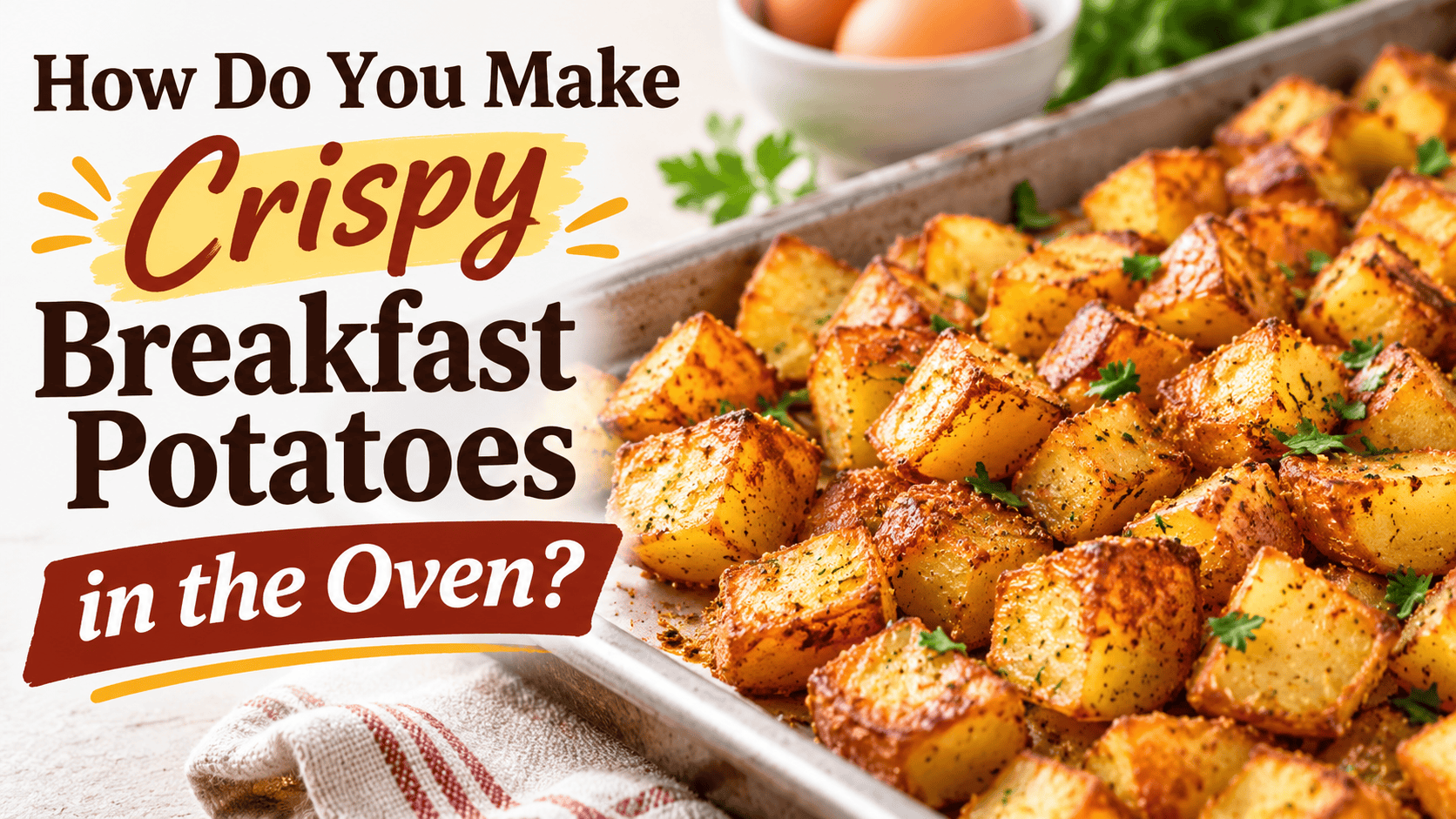
There is something special about a plate of golden, crispy breakfast potatoes served alongside fluffy scrambled eggs, sizzling bacon, or a hearty breakfast sandwich. The perfect breakfast potatoes have a crunchy, beautifully browned exterior and a soft, fluffy center. They are seasoned just right, packed with flavor, and satisfying enough to make any morning meal feel complete.
While many people associate crispy breakfast potatoes with frying them in a skillet, the oven is actually one of the easiest ways to achieve restaurant-quality results without standing over a hot stove.
The secret to making crispy breakfast potatoes in the oven comes down to choosing the right potatoes, cutting them evenly, removing excess moisture, using enough oil, and roasting them at a high temperature.
Whether you are preparing a quick weekday breakfast, a weekend family brunch, or a large breakfast spread for guests, oven-roasted breakfast potatoes are a delicious and convenient option.
This guide explains exactly how to make crispy breakfast potatoes in the oven, including the best potatoes to use, proper seasoning techniques, cooking temperatures, common mistakes, and helpful tips for achieving that irresistible crunch.
What Makes Breakfast Potatoes Crispy in the Oven?
The key to crispy oven-roasted breakfast potatoes is understanding how heat, moisture, and starch work together.
Potatoes naturally contain a significant amount of water. When they are placed in the oven, that moisture must evaporate before their surfaces can become crispy.
If potatoes are overcrowded on a baking sheet or contain too much surface moisture, they tend to steam instead of roast.
High oven temperatures encourage moisture evaporation and promote browning through a chemical process known as the Maillard reaction.
This reaction occurs when amino acids and reducing sugars react under heat, creating the golden color and savory flavors associated with roasted foods.
For the crispiest breakfast potatoes, you want to create the right conditions for browning while keeping the inside tender.
The most important factors include:
-
Using potatoes that roast well.
-
Cutting potatoes into evenly sized pieces.
-
Drying potatoes thoroughly before roasting.
-
Coating them lightly and evenly with oil.
-
Preheating the oven to a high temperature.
-
Spreading potatoes in a single layer.
-
Avoiding overcrowding on the baking sheet.
-
Allowing enough cooking time for golden edges to develop.
When these elements come together, the result is a batch of breakfast potatoes that are crunchy on the outside and fluffy on the inside.
What Are the Best Potatoes for Crispy Breakfast Potatoes?
Not all potatoes behave the same way when roasted.
Some varieties contain more starch, while others have a waxier texture that allows them to hold their shape.
Choosing the right potato can make a noticeable difference in the final texture.
Russet Potatoes
Russet potatoes are one of the best choices for crispy oven-roasted breakfast potatoes.
They contain a relatively high amount of starch and have a fluffy interior when cooked.
Their surface can develop a wonderfully crisp crust, especially when the potatoes are properly dried and roasted at a high temperature.
Russets are ideal for anyone who enjoys breakfast potatoes with a crunchy exterior and a soft, almost mashed-potato-like center.
Yukon Gold Potatoes
Yukon Gold potatoes are another excellent option.
They have a naturally buttery flavor and a creamy interior that pairs beautifully with breakfast seasonings.
Although they may not become quite as fluffy as Russets, they develop attractive golden edges and maintain their shape well during roasting.
Yukon Gold potatoes are particularly good for breakfast potato cubes and home-style roasted potatoes.
Red Potatoes
Red potatoes have a waxier texture and thinner skins.
They hold their shape extremely well and can develop crisp edges when roasted properly.
Their interior tends to remain firmer and creamier rather than fluffy.
Red potatoes are a good choice for breakfast potato dishes that include onions, bell peppers, and other vegetables.
Which Potato Is Best?
For maximum crispiness and a fluffy interior, Russet potatoes are an excellent choice.
For a balance of crispy edges, creamy texture, and rich flavor, Yukon Gold potatoes are hard to beat.
Both varieties work beautifully in the oven.
Easy Crispy Oven Breakfast Potatoes Recipe
This simple recipe produces golden, flavorful breakfast potatoes using everyday ingredients.
Ingredients
-
2 pounds Russet or Yukon Gold potatoes
-
3 tablespoons olive oil or avocado oil
-
1 teaspoon garlic powder
-
1 teaspoon smoked paprika
-
1 teaspoon onion powder
-
1 teaspoon kosher salt, or to taste
-
½ teaspoon freshly ground black pepper
-
½ teaspoon dried rosemary or thyme (optional)
-
1 tablespoon freshly chopped parsley (optional)
For additional flavor, you can also include diced onions, bell peppers, or a pinch of cayenne pepper.
Step 1: Preheat the Oven
Preheat your oven to 425°F (220°C).
A high roasting temperature is essential for developing crispy edges and golden surfaces.
Position an oven rack in the middle of the oven.
For extra browning, place a sturdy, rimmed metal baking sheet in the oven while it preheats.
A hot baking sheet helps the potatoes begin browning as soon as they touch the surface.
Step 2: Wash and Cut the Potatoes
Wash the potatoes thoroughly under cool running water to remove dirt.
You can peel them if you prefer, but leaving the skins on adds texture and helps create crispy edges.
Cut the potatoes into approximately ½-inch cubes.
Try to keep the pieces as uniform as possible.
Smaller cubes generally become crispier because they have more surface area relative to their size.
Larger pieces take longer to cook and may not develop the same level of crunch.
Step 3: Remove Excess Starch
Place the diced potatoes in a large bowl of cold water.
Allow them to soak for approximately 15–20 minutes.
This optional step helps wash away some loose surface starch, which can reduce sticking and encourage more even browning.
After soaking, drain the potatoes thoroughly.
Step 4: Dry the Potatoes Completely
Spread the drained potatoes over a clean kitchen towel or several layers of paper towels.
Pat them dry until there is very little visible moisture remaining.
This is one of the most important steps in achieving crispy breakfast potatoes.
Wet potatoes release steam when heated, which can prevent their surfaces from becoming crunchy.
The drier the potatoes are before roasting, the better their chances of developing a crisp exterior.
Step 5: Season the Potatoes
Transfer the dried potato cubes to a large mixing bowl.
Add the olive oil, garlic powder, smoked paprika, onion powder, salt, black pepper, and optional herbs.
Toss thoroughly until every piece is evenly coated.
The oil helps transfer heat to the potato surfaces and encourages browning.
You want the potatoes lightly coated rather than swimming in oil.
Step 6: Arrange the Potatoes on a Baking Sheet
Carefully remove the preheated baking sheet from the oven if using that method.
Spread the seasoned potatoes across the baking sheet in a single layer.
Leave a little space between the pieces whenever possible.
Avoid piling potatoes on top of one another.
Overcrowding traps moisture and causes the potatoes to steam rather than roast.
If necessary, divide the potatoes between two baking sheets.
For the crispiest results, a bare metal baking sheet lightly coated with oil often produces better browning than parchment paper.
Step 7: Roast Until Golden and Crispy
Place the baking sheet in the oven.
Roast the potatoes for approximately 30–40 minutes, depending on the size of the cubes and your oven.
After about 20 minutes, use a spatula to turn the potatoes.
Continue roasting until they are deeply golden brown, crispy around the edges, and tender inside.
Some potatoes may require an additional 5–10 minutes.
Step 8: Finish and Serve
Remove the potatoes from the oven.
Taste and adjust the seasoning if necessary.
Sprinkle with freshly chopped parsley for color and freshness.
Serve immediately while the potatoes are hot and crispy.
What Temperature Is Best for Crispy Breakfast Potatoes?
The best oven temperature for crispy breakfast potatoes is generally between 425°F and 450°F.
These temperatures encourage rapid browning while allowing the interior to become tender.
Here is how different oven temperatures affect the results.
| Temperature | Approximate cooking time | Results |
|---|---|---|
| 350°F | 45–60 minutes | Tender, less crispy |
| 375°F | 40–50 minutes | Lightly browned |
| 400°F | 35–45 minutes | Good browning |
| 425°F | 30–40 minutes | Crispy and golden |
| 450°F | 25–35 minutes | Faster browning, greater risk of burning |
Cooking times are estimates for approximately ½-inch potato cubes and vary depending on the oven, potato variety, and baking sheet.
For most home cooks, 425°F offers the best balance between crispy edges and tender centers.
Should You Boil Potatoes Before Roasting Them?
Boiling potatoes before roasting is optional, but it can produce an exceptionally crispy exterior.
This technique is commonly called parboiling.
Parboiling partially cooks the potatoes and softens their outer surfaces.
When the drained potatoes are shaken gently in a pot or colander, their softened edges become slightly rough.
Those rough surfaces develop additional crispy texture during roasting.
How to Parboil Breakfast Potatoes
-
Cut the potatoes into evenly sized cubes.
-
Bring a pot of salted water to a boil.
-
Add the potatoes and simmer for approximately 5–7 minutes.
-
Drain thoroughly.
-
Allow the potatoes to steam-dry for several minutes.
-
Gently shake them to roughen the edges.
-
Toss with oil and seasonings.
-
Roast at 425°F until golden and crispy, usually about 25–35 minutes.
Avoid boiling the potatoes until they are completely soft.
Overcooked potatoes may fall apart when tossed with seasonings.
For everyday breakfast potatoes, roasting raw potatoes works perfectly well. However, parboiling is worth trying when you want extra-crunchy results.
Should You Soak Potatoes Before Baking Them?
Soaking potatoes before roasting can be helpful, but it is not absolutely necessary.
A cold-water soak removes some loose starch from the cut surfaces.
This can help prevent pieces from sticking together and may encourage more consistent browning.
However, soaking does not automatically guarantee crispiness.
Proper drying, sufficient oil, high heat, and adequate spacing are more important.
If you decide to soak your potatoes, remember to dry them completely before adding oil.
Skipping the drying step can cancel out much of the benefit.
How Do You Keep Breakfast Potatoes From Sticking to the Pan?
Potatoes sometimes stick to baking sheets, especially when they are turned before a crust has developed.
To reduce sticking, use a sturdy metal baking sheet and coat it lightly with oil.
Preheating the baking sheet can also help.
Once the potatoes are placed on the pan, allow them to roast undisturbed for approximately 20 minutes before turning.
As the surfaces brown, they often release more easily.
A thin metal spatula works particularly well for lifting crispy potatoes without tearing their surfaces.
Avoid forcing potatoes off the baking sheet before they are ready.
Why Are My Oven Breakfast Potatoes Not Crispy?
If your breakfast potatoes turn out soft, pale, or soggy, there are several possible explanations.
1. The Potatoes Were Too Wet
Excess moisture causes steaming.
Always dry potatoes thoroughly after washing or soaking.
2. The Baking Sheet Was Overcrowded
When potatoes are packed too closely together, steam becomes trapped between them.
Use a larger baking sheet or divide the potatoes into two batches.
3. The Oven Temperature Was Too Low
Lower temperatures may cook potatoes through without developing enough surface browning.
Try roasting at 425°F.
4. Too Little Oil Was Used
A small amount of oil helps create an evenly browned exterior.
Make sure the potatoes are lightly coated on all sides.
5. The Potatoes Were Cut Too Large
Large potato chunks have less surface area relative to their volume.
Cutting them into smaller, even cubes can improve crispiness.
6. The Potatoes Were Removed Too Early
Sometimes potatoes simply need a few more minutes in the oven.
Look for deep golden edges rather than relying entirely on the timer.
7. The Wrong Baking Sheet Was Used
Thin baking sheets may heat unevenly, while glass baking dishes generally do not produce the same roasting results as metal pans.
A sturdy, rimmed metal baking sheet is ideal.
How Do You Make Breakfast Potatoes Extra Crispy?
If you want potatoes that are especially crunchy, a few additional techniques can make a difference.
Use a Small Amount of Cornstarch
Cornstarch can help create a delicate crispy coating.
For 2 pounds of potatoes, try adding approximately 1 tablespoon of cornstarch after drying the potatoes and before coating them with oil.
Toss until the potatoes are lightly dusted, then add the oil and seasonings.
Avoid using too much cornstarch, which can create a powdery or gummy coating.
Use a Preheated Baking Sheet
Starting with a hot metal baking sheet encourages immediate browning.
Be careful when adding potatoes to the hot surface because the oil may sizzle.
Give the Potatoes Space
Spacing allows moisture to escape.
Even a small gap between pieces can improve the final texture.
Roast Until Deeply Golden
Lightly browned potatoes can taste delicious, but deeper golden edges generally provide a stronger crunch.
Watch carefully during the final minutes to prevent burning.
Serve Immediately
Crispy potatoes gradually soften as they cool and release moisture.
For the best texture, serve them shortly after roasting.
What Seasonings Are Best for Breakfast Potatoes?
Breakfast potatoes are incredibly versatile because they pair well with a wide variety of herbs and spices.
The classic combination of garlic powder, onion powder, paprika, salt, and black pepper creates a savory flavor that complements almost any breakfast.
However, there are plenty of ways to customize the seasoning.
Southern-Style Breakfast Potatoes
Use smoked paprika, garlic powder, onion powder, black pepper, and a small pinch of cayenne.
Add sautéed onions and bell peppers for a hearty Southern-inspired breakfast.
Garlic and Herb Breakfast Potatoes
Combine garlic powder, rosemary, thyme, parsley, salt, and black pepper.
This version pairs especially well with eggs and breakfast sausage.
Spicy Breakfast Potatoes
Add chili powder, cayenne pepper, smoked paprika, and cumin.
Serve with salsa, avocado, or scrambled eggs.
Ranch-Style Breakfast Potatoes
Use a ranch seasoning blend with garlic powder and black pepper.
Finish with fresh chives for additional flavor.
Cheesy Breakfast Potatoes
Roast the potatoes until nearly finished.
Sprinkle with shredded cheddar or Parmesan cheese during the final few minutes.
Return to the oven until the cheese melts and develops lightly browned edges.
Can You Add Onions and Bell Peppers to Oven Breakfast Potatoes?
Yes. Onions and bell peppers are excellent additions to roasted breakfast potatoes.
They provide sweetness, color, and extra flavor.
However, vegetables often cook faster than potatoes and release moisture.
For the best results, roast the potatoes alone for approximately 15–20 minutes before adding the vegetables.
Toss diced onions and bell peppers with a small amount of oil and seasoning.
Add them to the baking sheet, leaving enough room for everything to roast.
Continue cooking until the potatoes are crispy and the vegetables are tender with lightly caramelized edges.
If the baking sheet becomes crowded, roast the vegetables separately and combine them before serving.
Can You Make Crispy Breakfast Potatoes Ahead of Time?
Yes. Breakfast potatoes can be partially prepared ahead of time, making them convenient for busy mornings.
One of the easiest methods is to wash and dice the potatoes the night before.
Store the cut potatoes submerged in cold water in a covered container in the refrigerator.
The following morning, drain them thoroughly, dry them, season them, and roast as directed.
You can also roast potatoes in advance and reheat them when needed.
Although freshly roasted potatoes usually have the best texture, proper reheating can restore much of their crispiness.
How Do You Reheat Breakfast Potatoes and Keep Them Crispy?
The oven and air fryer are two of the best methods for reheating breakfast potatoes.
Reheating in the Oven
Preheat the oven to 400°F.
Spread the refrigerated potatoes in a single layer on a baking sheet.
Heat for approximately 10–15 minutes, turning once, until hot and crispy.
Reheating in an Air Fryer
Preheat the air fryer to approximately 375°F.
Place the potatoes in the basket without overcrowding.
Heat for about 4–7 minutes, shaking the basket halfway through.
Continue until thoroughly heated and crisp.
Reheating in a Skillet
Heat a small amount of oil in a skillet over medium heat.
Add the potatoes and cook for approximately 5–8 minutes, turning occasionally.
This method is especially useful when reheating a small serving.
Should You Microwave Breakfast Potatoes?
You can microwave leftover breakfast potatoes, but they will generally become softer rather than crispier.
The microwave heats moisture within the potatoes, which can soften their exterior.
For the best crunch, use the oven, air fryer, or skillet.
How Long Do Cooked Breakfast Potatoes Last in the Refrigerator?
Cooked breakfast potatoes can generally be stored in the refrigerator for 3–4 days when handled properly.
Allow them to cool briefly, then transfer them to a shallow, airtight container and refrigerate within two hours of cooking.
Keep the refrigerator at 40°F or below.
When reheating, heat leftovers thoroughly to 165°F.
If the potatoes develop an unusual smell, visible mold, or other signs of spoilage, discard them.
Can You Freeze Oven-Roasted Breakfast Potatoes?
Yes. Oven-roasted breakfast potatoes can be frozen for convenient future meals.
Allow the cooked potatoes to cool, then arrange them in a single layer on a baking sheet.
Place the baking sheet in the freezer until the potatoes are firm.
Transfer the frozen potatoes to a freezer-safe bag or airtight container.
For the best flavor and texture, use them within approximately 2–3 months.
You can reheat them directly from frozen in a 425°F oven, usually for 15–25 minutes, depending on their size and how fully they were cooked before freezing.
Spread them out so they can crisp rather than steam.
What Goes Well With Crispy Breakfast Potatoes?
Crispy breakfast potatoes are a versatile side dish that complements both simple and elaborate breakfasts.
Some delicious pairings include:
-
Scrambled eggs and crispy bacon
-
Fried eggs and breakfast sausage
-
Biscuits and sausage gravy
-
Breakfast burritos
-
Omelets with cheese and vegetables
-
Southern-style country ham
-
French toast and eggs
-
Breakfast sandwiches
-
Avocado toast
-
Steak and eggs
Breakfast potatoes can also serve as the foundation for a hearty breakfast bowl.
Combine roasted potatoes with scrambled eggs, sautéed peppers, onions, shredded cheese, and your favorite breakfast protein.
Finish with salsa, hot sauce, or fresh herbs.
Frequently Asked Questions About Crispy Oven Breakfast Potatoes
Do You Need to Peel Potatoes Before Roasting?
No. Leaving the skins on adds flavor and texture and can contribute to crispy edges.
Just make sure to wash the potatoes thoroughly.
Is Olive Oil or Butter Better for Crispy Potatoes?
Oil is generally better for roasting at high temperatures.
Butter contains water and milk solids that can brown or burn during prolonged high-heat cooking.
For buttery flavor, add a small amount of melted butter after roasting.
How Often Should You Flip Breakfast Potatoes?
Turning the potatoes once or twice during roasting is usually sufficient.
Allowing them to remain undisturbed for the first 15–20 minutes helps develop a golden crust.
Can You Roast Breakfast Potatoes at 400°F?
Yes. Potatoes can become crispy at 400°F, although they may require additional cooking time.
Expect approximately 35–45 minutes for ½-inch cubes.
Can You Make Crispy Breakfast Potatoes Without Oil?
You can roast potatoes without oil, but the texture will usually be drier and less evenly browned.
A light coating of oil generally produces better crispiness and flavor.
Should You Cover Potatoes With Foil While Baking?
No. Covering potatoes traps steam and softens their surfaces.
For crispy potatoes, roast them uncovered.
Can You Use Frozen Diced Potatoes?
Yes. Frozen diced potatoes can be roasted in the oven.
Spread them on a baking sheet without thawing, coat lightly with oil and seasoning if needed, and roast according to the package directions or until golden and crisp.
Avoid overcrowding because frozen potatoes release moisture as they cook.
Final Thoughts: The Secret to Perfect Crispy Breakfast Potatoes
Making crispy breakfast potatoes in the oven is surprisingly simple once you understand the techniques that create the perfect texture.
The best results begin with a good roasting potato, such as Russet or Yukon Gold, cut into evenly sized pieces.
Removing excess moisture, coating the potatoes with oil, and roasting them at 425°F allows their surfaces to develop a delicious golden crust while their interiors become tender and fluffy.
Perhaps the most important rule is to avoid overcrowding the baking sheet. Giving the potatoes enough space allows moisture to escape and encourages the browning that makes roasted potatoes so satisfying.
Whether you enjoy them with eggs and bacon, alongside biscuits and gravy, or as part of a hearty breakfast bowl, crispy oven-roasted breakfast potatoes are a dependable addition to almost any morning meal.
With the right preparation and a few simple techniques, you can make breakfast potatoes that are every bit as delicious as those served at your favorite breakfast restaurant—without the mess of frying them on the stove.

Leave a Reply