
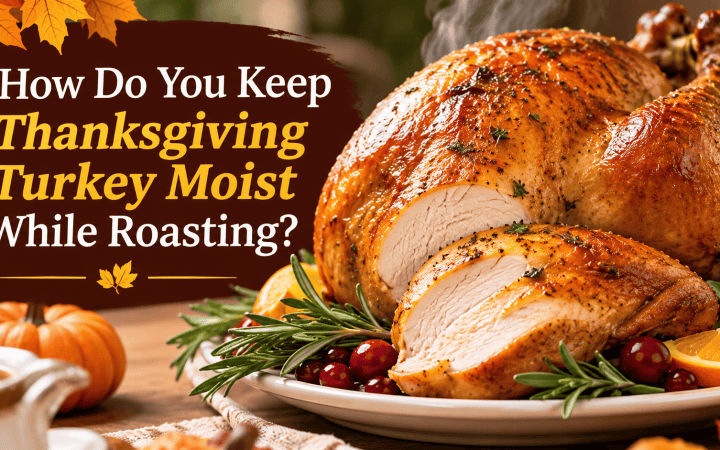
Cooking the perfect Thanksgiving turkey is one of the most important parts of preparing a holiday dinner. Whether you are hosting Thanksgiving for the first time or have been preparing holiday meals for years, one question comes up repeatedly: Should you cook Thanksgiving turkey covered or uncovered?
The answer depends on the results you want. Cooking a turkey uncovered helps create golden-brown, crispy skin, while covering it can protect the surface from excessive browning and help reduce moisture loss. However, keeping the turkey covered throughout the entire cooking process may prevent the skin from becoming crisp.
For most home cooks, the best approach is to roast the Thanksgiving turkey uncovered and loosely cover it with aluminum foil if the skin begins browning too quickly.
Understanding when to cover your turkey, how oven temperature affects the meat, and how to prevent overcooking can help you prepare a flavorful, juicy Thanksgiving centerpiece.
Is It Better to Cook a Turkey Covered or Uncovered?
Both methods have advantages, but they produce different results.
Roasting a turkey uncovered allows the oven’s dry heat to circulate around the bird. This encourages the skin to brown and become crispy while developing the traditional roasted flavor associated with Thanksgiving dinner.
Covering a turkey with aluminum foil creates a barrier that reduces direct exposure to the oven’s heat. This can help prevent the skin from becoming too dark before the inside finishes cooking.
However, covering the turkey also traps some steam near the surface, which can soften the skin.
For the best combination of juicy meat and golden-brown skin, roasting uncovered is generally the preferred method.
If the turkey begins browning too quickly, loosely tent the breast or other darkening areas with aluminum foil.
What Happens When You Cook Thanksgiving Turkey Covered?
Cooking a turkey covered changes how heat and moisture interact with the bird.
When aluminum foil covers the turkey, it reduces direct radiant heat exposure and limits evaporation from the covered surface.
This can be particularly useful when roasting a large turkey that requires several hours in the oven.
Benefits of Cooking Turkey Covered
Covering a Thanksgiving turkey offers several advantages:
-
Helps prevent the skin from becoming excessively brown.
-
Protects areas that are cooking faster than others.
-
Can reduce surface moisture loss.
-
Provides protection during longer roasting periods.
-
Helps manage uneven browning.
These benefits make aluminum foil useful when roasting larger birds or dealing with an oven that produces uneven heat.
Disadvantages of Cooking Turkey Covered
Despite its benefits, covering a turkey throughout roasting has drawbacks.
The biggest disadvantage is that the skin may remain soft rather than becoming crispy.
A tightly covered turkey can also develop a more steamed appearance instead of the deep golden color many people expect from a traditional Thanksgiving roast.
Covering the bird does not guarantee that the meat will remain juicy. Overcooking can still cause the breast meat to become dry.
For these reasons, aluminum foil works best as a tool for controlling browning rather than something that must remain over the turkey for the entire cooking process.
What Happens When You Cook Thanksgiving Turkey Uncovered?
Roasting a turkey uncovered exposes the skin directly to the oven’s dry heat.
As the surface heats, moisture evaporates, allowing the skin to brown through the Maillard reaction.
This process creates the roasted flavors and golden appearance that make Thanksgiving turkey so appealing.
Benefits of Cooking Turkey Uncovered
Cooking turkey uncovered provides several advantages:
-
Produces crispier skin.
-
Encourages even surface browning.
-
Creates a traditional roasted appearance.
-
Develops rich roasted flavors.
-
Makes it easier to monitor the turkey’s color.
Uncovered roasting is especially effective when the turkey has been properly dried before cooking.
Patting the skin dry with paper towels and allowing the turkey to rest uncovered in the refrigerator before roasting can improve browning.
Disadvantages of Cooking Turkey Uncovered
The main concern with uncovered roasting is excessive browning.
Because the breast sits prominently at the top of the turkey, it may become dark before the thighs reach their proper temperature.
This is especially common with larger birds or ovens that produce strong heat from above.
Fortunately, this problem is easy to manage by loosely covering the breast with aluminum foil once it reaches the desired color.
Should You Cover a Turkey With Aluminum Foil While Roasting?
Aluminum foil can be helpful when roasting a Thanksgiving turkey, but it should be used strategically.
Instead of covering the entire bird automatically, monitor the skin as it cooks.
If the turkey is browning evenly, leave it uncovered.
If the breast begins becoming too dark, place a loose sheet of aluminum foil over that area.
Avoid wrapping the foil tightly around the turkey. A loose tent provides protection without trapping as much steam against the skin.
You can also remove the foil toward the end of cooking if the skin needs additional browning.
The goal is to control the surface color while allowing the turkey to cook thoroughly.
Should You Start Cooking a Turkey Covered and Finish Uncovered?
Starting a turkey covered and finishing it uncovered is another common Thanksgiving roasting technique.
This method can work well, particularly for people concerned about the turkey browning too quickly.
The turkey begins roasting under a loose foil tent, which protects the skin during the earlier stages.
Later, the foil is removed so the skin can develop a golden color.
However, this method is not necessary for every turkey.
A properly prepared bird roasted at a moderate temperature can develop excellent results without being covered at the beginning.
For most traditional Thanksgiving turkeys, starting uncovered and adding foil only when necessary is a simpler approach.
What Temperature Should You Cook Thanksgiving Turkey?
The oven temperature plays an important role in determining whether the turkey cooks evenly.
For a traditional whole Thanksgiving turkey, 325°F is a reliable roasting temperature.
This temperature allows the bird to cook steadily without exposing the outside to unnecessarily aggressive heat.
Some cooks prefer 350°F for additional browning and a somewhat shorter cooking time.
Both temperatures can produce excellent results.
| Oven temperature | Expected results |
|---|---|
| 325°F | Steady roasting and controlled browning |
| 350°F | Faster roasting and stronger surface browning |
| 375°F | More rapid browning; requires closer monitoring |
Regardless of the temperature you choose, the turkey’s internal temperature matters more than the amount of time spent in the oven.
The USDA recommends cooking whole turkey to an internal temperature of at least 165°F, measured in the thickest part of the breast, the innermost thigh, and the innermost wing.
Avoid touching bone with the thermometer because it can produce an inaccurate reading.
How Long Should You Cook a Thanksgiving Turkey Uncovered?
The cooking time depends on the turkey’s weight, oven temperature, and whether the bird is stuffed.
The following estimates apply to an unstuffed turkey roasted at 325°F.
| Turkey weight | Approximate cooking time |
|---|---|
| 8–12 pounds | 2¾–3 hours |
| 12–14 pounds | 3–3¾ hours |
| 14–18 pounds | 3¾–4¼ hours |
| 18–20 pounds | 4¼–4½ hours |
| 20–24 pounds | 4½–5 hours |
These times are general guidelines rather than guarantees.
A turkey may finish earlier or later depending on its shape, starting temperature, oven accuracy, and roasting equipment.
Begin checking the internal temperature before the estimated cooking time ends.
If you cook stuffing inside the turkey, the center of the stuffing must also reach 165°F. Cooking stuffing separately is generally easier and helps the turkey cook more evenly.
How Do You Keep an Uncovered Thanksgiving Turkey Moist?
One of the biggest concerns about roasting turkey uncovered is that the meat will become dry.
However, uncovered roasting does not automatically cause dry turkey.
Overcooking is one of the primary reasons Thanksgiving turkey loses its moisture.
Several preparation techniques can help produce juicy meat.
1. Brine the Turkey Before Roasting
Brining can help turkey retain moisture during cooking.
A dry brine involves seasoning the turkey with salt and refrigerating it before roasting.
The salt gradually penetrates the meat and changes how muscle proteins retain moisture.
For many home cooks, dry brining is easier than soaking a large turkey in liquid.
A dry brine applied 24–48 hours before cooking can improve seasoning and moisture retention.
Always check whether the turkey has already been salted or enhanced with a solution before adding additional salt.
2. Use Butter or Oil on the Skin
Rubbing the skin with butter or oil can encourage browning and improve flavor.
Butter adds richness, while oil can help coat the skin evenly.
Neither ingredient prevents overcooking, but both can contribute to an appealing roasted exterior.
For additional flavor, combine softened butter with garlic, rosemary, thyme, sage, or black pepper.
3. Avoid Overcooking the Breast
Turkey breast meat is lean and can dry out when cooked beyond the necessary temperature.
Use a reliable meat thermometer rather than depending entirely on cooking time.
Check several areas of the bird to make sure it cooks safely.
Once the turkey reaches the required internal temperature, remove it from the oven.
4. Let the Turkey Rest Before Carving
Resting allows the turkey to cool slightly and makes carving easier.
A rest of approximately 20–30 minutes works well for many whole turkeys.
Larger birds may benefit from a somewhat longer rest.
During this time, keep the turkey loosely tented if necessary, rather than wrapping it tightly.
Tight covering can trap steam and soften the crispy skin.
5. Avoid Constantly Opening the Oven
Every time the oven door opens, heat escapes.
Frequent opening can extend cooking time and make oven temperature less consistent.
Use the oven light to monitor browning whenever possible.
An oven-safe probe thermometer can also help you track the turkey’s internal temperature without repeatedly opening the door.
Should You Put Water in the Bottom of the Turkey Roasting Pan?
Adding a small amount of water or broth to the roasting pan can help prevent drippings from burning.
However, adding liquid does not automatically make the turkey meat juicier.
The turkey’s internal moisture depends primarily on preparation and cooking temperature.
If the roasting pan becomes dry and the drippings begin burning, add a small amount of water or unsalted broth.
Avoid filling the pan with excessive liquid because too much moisture can create a steaming environment that reduces browning.
Using a roasting rack helps elevate the turkey above the liquid and allows heat to circulate around the bird.
Should You Baste a Turkey When Cooking It Uncovered?
Basting is a traditional Thanksgiving practice, but it is not required for a juicy turkey.
Basting involves spooning or brushing pan drippings over the turkey during roasting.
While this can add flavor and temporarily coat the skin, it does not significantly increase moisture deep inside the meat.
Frequent basting may also soften the skin and requires opening the oven repeatedly.
If you enjoy basting, doing it occasionally is reasonable.
However, properly seasoning the turkey, monitoring the internal temperature, and avoiding overcooking are more important than constant basting.
How Do You Get Crispy Turkey Skin Without Drying Out the Meat?
Crispy skin and juicy meat are not mutually exclusive.
The key is controlling surface moisture while preventing the interior from overcooking.
For crispy Thanksgiving turkey skin:
-
Thoroughly thaw the turkey before roasting.
-
Pat the skin dry with paper towels.
-
Season the turkey in advance when possible.
-
Refrigerate it uncovered during dry brining.
-
Apply a light coating of butter or oil.
-
Roast uncovered at 325°F or 350°F.
-
Use aluminum foil only if certain areas become too dark.
-
Monitor the internal temperature carefully.
-
Rest the turkey before carving without tightly wrapping the skin.
These steps encourage browning without requiring excessively high oven temperatures.
Should You Cover Turkey Legs or Wings With Foil?
Turkey wings and legs sometimes brown faster than the rest of the bird.
The wing tips are particularly vulnerable because they are thin and exposed to heat.
If these areas begin becoming too dark, cover them loosely with small pieces of aluminum foil.
You can also tuck the wing tips behind the turkey before roasting to reduce direct heat exposure.
Avoid covering the entire bird when only a small area needs protection.
Targeted foil coverage allows the rest of the skin to continue browning naturally.
Does Covering a Turkey Make It Cook Faster?
Covering a turkey with aluminum foil does not reliably make it cook faster.
Cooking time depends on several factors, including oven temperature, turkey size, roasting pan design, and heat circulation.
A foil tent may change how heat reaches the surface, but it should not be treated as a dependable way to shorten roasting time.
A tightly covered roasting pan or covered roasting vessel can behave differently from a loose foil tent.
For consistent results, follow a tested roasting method and rely on internal temperature rather than assuming that covering will reduce the cooking time.
Should You Cover Thanksgiving Turkey While It Rests?
After removing the turkey from the oven, allowing it to rest before carving is important.
You can loosely tent the turkey with aluminum foil during resting if you want to reduce heat loss.
However, tightly wrapping the bird can trap steam against the skin.
This may cause the crispy exterior to soften.
For the best results, allow the turkey to rest uncovered or under a very loose foil tent.
The turkey should remain warm enough for serving while the meat settles and becomes easier to carve.
Common Mistakes When Roasting Thanksgiving Turkey
Even experienced home cooks occasionally make mistakes when preparing Thanksgiving turkey.
Understanding these problems can help prevent disappointing results.
Covering the Turkey Too Tightly
Tightly wrapping the bird in foil can trap steam and prevent the skin from becoming crisp.
Use a loose tent instead.
Leaving the Turkey Uncovered Despite Excessive Browning
Although uncovered roasting is generally preferred, the skin can become too dark.
Add foil when necessary rather than allowing the surface to burn.
Relying Only on Cooking Time
Turkey roasting charts provide useful estimates, but they cannot account for every oven or bird.
Always verify doneness with a thermometer.
Cooking at Too High a Temperature
Excessively high temperatures can brown the skin before the inside finishes cooking.
Moderate roasting temperatures are generally easier to manage.
Skipping the Resting Period
Carving immediately after roasting can lead to greater juice loss and make handling the hot turkey more difficult.
Allow adequate resting time before serving.
Using Too Much Liquid in the Pan
Excess liquid can create additional steam and interfere with browning.
Use only enough liquid to prevent drippings from burning.
Frequently Asked Questions
Should you cover a turkey with foil for the entire cooking time?
Usually, no. Covering the turkey throughout roasting can prevent the skin from becoming crispy. Roast uncovered when possible and use foil if the skin begins browning too quickly.
Is it better to cook turkey at 325°F or 350°F?
Both temperatures work well. Roasting at 325°F provides steady cooking and controlled browning, while 350°F can shorten cooking time and encourage additional browning.
Does uncovered turkey dry out faster?
Uncovered roasting can increase surface evaporation, but it does not necessarily produce dry meat. Internal temperature and avoiding overcooking are more important.
Should the turkey breast be covered with foil?
Cover the breast loosely if it becomes too brown before the rest of the turkey finishes cooking. Otherwise, it can remain uncovered.
Can you cook a turkey uncovered from start to finish?
Yes. Many Thanksgiving turkeys roast successfully without foil. Monitor the skin and internal temperature throughout cooking.
Should you remove foil during the last hour of cooking?
If you started roasting the turkey covered, removing the foil toward the end can help the skin brown. The exact timing depends on the turkey’s size and appearance, so there is no universal requirement to remove it exactly one hour before completion.
How do you know when Thanksgiving turkey is fully cooked?
Use a food thermometer. The thickest part of the breast, innermost thigh, and innermost wing should each reach at least 165°F. If the turkey is stuffed, the stuffing center must also reach 165°F.
Final Thoughts: Should You Cook Thanksgiving Turkey Covered or Uncovered?
For most Thanksgiving dinners, roasting the turkey uncovered is the best choice for achieving golden-brown, crispy skin and traditional roasted flavor.
Aluminum foil is useful when the skin begins browning too quickly, but it is not necessary to cover the bird throughout the entire cooking process.
The most important factors in preparing a delicious Thanksgiving turkey are proper seasoning, moderate oven temperature, careful temperature monitoring, and adequate resting time.
Whether you prefer cooking at 325°F or 350°F, the goal is to roast the turkey evenly without overcooking the meat.
By starting uncovered and using foil only when needed, you can prepare a Thanksgiving turkey with beautifully browned skin, flavorful meat, and the juicy texture everyone looks forward to enjoying at the holiday table.




Leave a Reply