
Thanksgiving turkey is the centerpiece of many holiday dinners, but getting the meat flavorful, juicy, and aromatic can be challenging. While seasoning the outside of the bird is important, what you put inside a Thanksgiving turkey can also make a difference in the finished dish.
The turkey’s cavity provides an opportunity to add fresh herbs, citrus fruits, onions, garlic, and other aromatic ingredients that release wonderful fragrances as the bird roasts. These ingredients can complement the natural flavor of turkey and contribute to delicious pan drippings for homemade gravy.
However, not everything belongs inside a Thanksgiving turkey. Some ingredients work better than others, and understanding the difference between aromatic fillings and traditional stuffing is important for both flavor and food safety.
Whether you are preparing your first Thanksgiving turkey or looking to improve a family favorite, knowing what to put inside the bird can help you create a memorable holiday meal.
What Is the Best Thing to Put Inside a Thanksgiving Turkey?
The best ingredients to put inside a Thanksgiving turkey are fresh herbs, onions, garlic, lemon, and other aromatic vegetables.
These ingredients release moisture and aromatic compounds during roasting, helping create a fragrant cooking environment inside the turkey.
A classic combination includes:
-
1 large onion, quartered
-
1 lemon, halved
-
1 whole head of garlic, cut horizontally
-
4 sprigs of fresh rosemary
-
6 sprigs of fresh thyme
-
4 sprigs of fresh sage
-
2 celery stalks, cut into large pieces
-
1 small apple, quartered
-
Salt and freshly ground black pepper
You do not need to use every ingredient. A simple combination of onion, lemon, garlic, and fresh herbs can provide excellent flavor.
The key is to leave the cavity loosely filled rather than tightly packed. This allows hot air to circulate and helps the turkey cook more evenly.
It is also important to understand that aromatics inside the cavity primarily perfume the bird and flavor the drippings. They do not deeply season the meat. For the best results, season the turkey itself with salt, herbs, and butter or oil.
Why Should You Put Aromatics Inside a Thanksgiving Turkey?
Aromatics are ingredients that release pleasant fragrances and flavors when heated.
When placed inside a turkey, these ingredients warm gradually during roasting and release fragrant compounds into the cavity.
Although their effect on the meat itself is relatively subtle, aromatics can enhance the overall roasting experience and contribute flavor to the juices collected in the roasting pan.
1. They Add Wonderful Aromas
Fresh herbs, citrus, onions, and garlic create a familiar Thanksgiving fragrance as the turkey cooks.
Rosemary and thyme provide earthy notes, while lemon adds a bright citrus aroma.
2. They Complement the Natural Flavor of Turkey
Turkey has a mild flavor that works well with savory herbs and vegetables.
Using traditional ingredients such as sage, onion, and garlic complements the bird without overwhelming its natural taste.
3. They Can Improve the Flavor of Pan Drippings
As the turkey roasts, its juices mix with rendered fat and other ingredients in the roasting pan.
Aromatics can contribute to these flavorful drippings, especially when additional onions, herbs, and vegetables are placed around the turkey.
These drippings can become the foundation for homemade Thanksgiving gravy.
4. They Offer an Alternative to Bread Stuffing
Some cooks prefer not to roast bread stuffing inside the turkey because it complicates cooking times and food safety.
Using a few loose aromatics instead provides fragrance while allowing traditional stuffing or dressing to be prepared separately.
The Best Herbs to Put Inside a Thanksgiving Turkey
Fresh herbs are among the most popular ingredients for flavoring Thanksgiving turkey.
Different herbs contribute different aromas, and combining several creates a balanced holiday flavor.
Rosemary
Rosemary has a strong, woodsy aroma that pairs beautifully with roasted poultry.
A few fresh sprigs are usually enough because rosemary can become overpowering when used excessively.
Rosemary works particularly well with garlic, lemon, and butter.
Thyme
Thyme provides a gentle earthy flavor with subtle citrus notes.
It complements turkey without dominating the other seasonings.
Fresh thyme is especially useful when combined with rosemary and sage.
Sage
Sage is one of the most traditional Thanksgiving herbs.
Its warm, slightly peppery aroma is closely associated with turkey, stuffing, and holiday gravy.
Fresh sage leaves can be placed inside the cavity or mixed into softened butter for seasoning beneath the turkey skin.
Parsley
Parsley offers a mild, fresh herbal flavor.
Although it is less intense than rosemary or sage, it helps balance stronger ingredients.
Bay Leaves
Bay leaves contribute a subtle herbal aroma during roasting.
One or two dried bay leaves can be included with the other aromatics.
Remove the bay leaves before serving.
Should You Put an Onion Inside a Thanksgiving Turkey?
Yes. Onion is one of the best vegetables to put inside a Thanksgiving turkey.
As it heats, onion releases a sweet, savory aroma that complements poultry.
Yellow onions are a particularly good choice because they provide a balanced flavor.
Sweet onions and white onions can also be used.
For best results, peel a large onion and cut it into quarters.
Place two to four pieces loosely inside the cavity, depending on the turkey’s size.
You can also scatter additional onion pieces around the roasting pan to enhance the drippings.
Onion pairs especially well with garlic, celery, rosemary, and thyme.
Should You Put Garlic Inside a Thanksgiving Turkey?
Garlic is another excellent aromatic ingredient.
It provides a rich, savory fragrance that works well with turkey and traditional Thanksgiving side dishes.
There are several ways to use garlic.
One simple method is to cut a whole garlic head horizontally and place one half inside the turkey.
Another option is to use four to six peeled garlic cloves.
Whole cloves offer a milder aroma than finely minced garlic.
For stronger garlic flavor in the meat, combine minced garlic with softened butter and spread the mixture beneath the turkey skin before roasting.
This provides more direct seasoning than placing garlic inside the cavity alone.
Should You Put a Lemon Inside a Thanksgiving Turkey?
Yes. Lemon is a popular addition because its citrus aroma complements the richness of roasted turkey.
The lemon peel contains fragrant oils that release their aroma as the fruit heats.
To use lemon, wash it thoroughly and cut it into halves or quarters.
Place the pieces loosely inside the turkey with fresh herbs and garlic.
Lemon works especially well with rosemary, thyme, and parsley.
For more noticeable citrus flavor, add finely grated lemon zest to the butter or seasoning mixture applied to the turkey.
Can You Use Oranges Instead of Lemons?
Absolutely.
Oranges provide a sweeter citrus aroma that works well with Thanksgiving turkey.
Orange pairs particularly well with rosemary, sage, garlic, and a small amount of cinnamon in the surrounding pan aromatics.
For a holiday-inspired combination, try orange quarters, fresh rosemary, onion, and garlic.
Avoid overfilling the cavity with fruit.
Should You Put Apples Inside a Thanksgiving Turkey?
Apples are another traditional ingredient that can add a pleasant, slightly sweet aroma during roasting.
As the apple warms, it releases fragrant compounds that complement savory herbs.
Firm varieties such as Granny Smith, Honeycrisp, and Fuji work well.
Cut one apple into quarters and remove the core.
Place a few pieces inside the turkey alongside onion and fresh sage.
Apples are particularly good with rosemary, thyme, and cinnamon-inspired holiday seasonings.
However, apples inside the cavity will not make the turkey noticeably sweeter or guarantee moist meat.
Their main contribution is aroma.
Can You Put Celery and Carrots Inside a Thanksgiving Turkey?
Yes. Celery and carrots are common aromatic vegetables used when roasting poultry.
Celery provides a mild, savory fragrance, while carrots contribute a slightly sweet aroma.
Both work well with onion and herbs.
For a classic vegetable combination, use:
-
1 quartered onion
-
2 celery stalks
-
1 carrot, cut into large pieces
-
3 sprigs of thyme
-
2 sprigs of rosemary
Only use what fits loosely inside the cavity.
Place the remaining vegetables in the roasting pan around the turkey.
In fact, vegetables in the roasting pan often contribute more directly to flavorful drippings than vegetables placed inside the bird.
Should You Put Butter Inside a Thanksgiving Turkey?
Butter can improve the flavor of Thanksgiving turkey, but placing a large amount inside the cavity is not the most effective method.
Butter works better when applied directly to the meat or skin.
One popular technique is to gently loosen the skin over the turkey breast and spread softened herb butter underneath.
This allows the butter and seasonings to come into direct contact with the meat.
Easy Thanksgiving Herb Butter
Ingredients
-
½ cup unsalted butter, softened
-
1 tablespoon chopped fresh rosemary
-
1 tablespoon chopped fresh thyme
-
1 tablespoon chopped fresh sage
-
3 garlic cloves, minced
-
1 teaspoon lemon zest
-
½ teaspoon freshly ground black pepper
-
Salt, adjusted according to whether the turkey has already been brined or salted
Instructions
-
Place softened butter in a small bowl.
-
Add the chopped herbs, garlic, lemon zest, and black pepper.
-
Mix until thoroughly combined.
-
Carefully loosen the skin over the turkey breast.
-
Spread some of the herb butter underneath the skin.
-
Rub the remaining butter over the outside of the turkey.
The herb butter helps season the meat and encourages flavorful browning.
For the best results, combine this method with a few fresh aromatics inside the cavity.
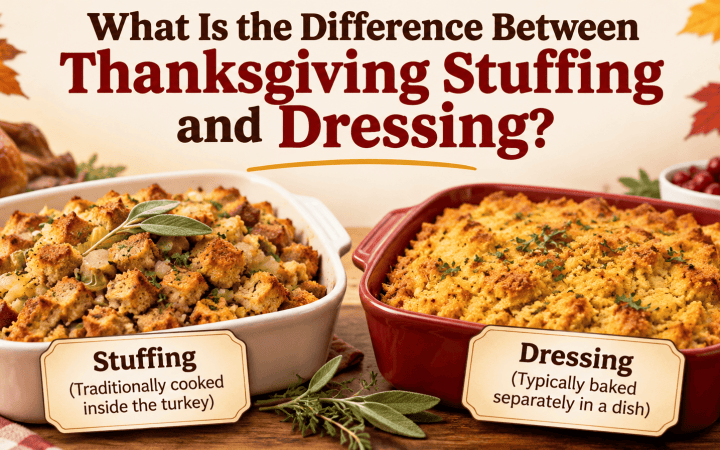
Should You Put Stuffing Inside a Thanksgiving Turkey?
Traditional bread stuffing can be cooked inside a Thanksgiving turkey, but it requires extra attention to food safety.
Stuffing absorbs juices from the turkey during roasting, which can provide flavor.
However, stuffing inside the bird heats more slowly than many people expect.
The center of the stuffing must reach an internal temperature of 165°F (74°C) to be safe.
The turkey breast and thigh must also reach 165°F.
This can create a challenge because the turkey meat may finish cooking before the stuffing reaches the required temperature.
Continuing to roast the bird until the stuffing is safe can result in overcooked turkey.
For this reason, cooking stuffing separately in a casserole dish is generally the easier and safer option.
If you choose to stuff the turkey, prepare the stuffing safely, fill the cavity loosely immediately before roasting, and check the center with a food thermometer. Never stuff the turkey the night before.
What Should You Avoid Putting Inside a Thanksgiving Turkey?
Although many ingredients work well inside a turkey, certain practices should be avoided.
Too Much Bread Stuffing
Packing the cavity tightly with stuffing slows heating and can prevent the center from reaching a safe temperature promptly.
Large Amounts of Fruit
Using too many apples, oranges, or lemons can crowd the cavity.
A few pieces are sufficient for aroma.
Excessive Fresh Herbs
Strong herbs such as rosemary and sage can overpower other flavors when used in large amounts.
Use a balanced combination rather than filling the cavity entirely with herbs.
Plastic or Packaging Materials
Always check both the main cavity and neck cavity before roasting.
Remove the giblet package and neck if present, along with any packaging materials not intended for oven use.
Ingredients Added the Night Before
Do not fill the turkey cavity with stuffing or aromatics and leave it overnight.
Prepare the aromatics ahead of time if desired, but refrigerate them separately and add them immediately before roasting.
How to Prepare a Thanksgiving Turkey With Aromatics
Using aromatics is simple and does not require complicated cooking techniques.
Preparation time: 15–20 minutes
Cooking temperature: 325°F
Best for: Whole Thanksgiving turkey
Ingredients
-
1 whole turkey, completely thawed
-
1 large yellow onion, quartered
-
1 lemon, halved
-
1 head of garlic, halved
-
4 fresh rosemary sprigs
-
6 fresh thyme sprigs
-
4 fresh sage sprigs
-
2 celery stalks, cut into pieces
-
½ cup softened butter
-
Salt and black pepper, to taste
Step 1: Prepare the Turkey
Remove the turkey from its packaging.
Check the main cavity and neck area for giblets and the neck.
Remove them and reserve them for gravy if desired.
Pat the turkey dry with paper towels.
Do not rinse raw turkey because splashing water can spread bacteria around the kitchen.
Step 2: Season the Turkey
Season the outside of the turkey and, where accessible, the meat beneath the skin.
If using a pre-brined or self-basting turkey, reduce added salt accordingly.
Rub softened butter or herb butter over the turkey.
Step 3: Add the Aromatics
Place the onion, lemon, garlic, rosemary, thyme, sage, and celery loosely inside the cavity.
Use only the amount that fits comfortably.
Do not pack the ingredients tightly.
Step 4: Prepare for Roasting
Position the turkey breast-side up on a roasting rack inside a roasting pan.
Place any leftover onion, celery, and herbs around the turkey in the pan.
Tuck the wing tips underneath the bird if possible.
Avoid tying the legs too tightly because this can slow cooking around the thighs.
Step 5: Roast the Turkey
Preheat the oven to 325°F.
Roast the turkey according to its weight, checking its temperature as it approaches the expected finishing time.
Cooking times vary depending on the turkey’s size, shape, oven, and whether the cavity contains ingredients.
Use a food thermometer rather than relying on time alone.
The turkey is safely cooked when the thickest part of the breast, innermost thigh, and innermost wing reach 165°F, without touching bone.
Step 6: Rest the Turkey
Remove the turkey from the oven.
Allow it to rest for approximately 20–30 minutes before carving.
Larger birds may benefit from a longer rest.
Remove and discard the cavity aromatics before carving.
Step 7: Serve
Carve the turkey and serve it with your favorite Thanksgiving side dishes.
Use the flavorful pan drippings to prepare homemade gravy.
Best Flavor Combinations for Thanksgiving Turkey
Different combinations of aromatics can create different holiday flavor profiles.
| Flavor style | Ingredients |
|---|---|
| Classic Thanksgiving | Onion, sage, thyme, celery |
| Garlic herb | Garlic, rosemary, thyme, lemon |
| Citrus herb | Lemon, orange, parsley, rosemary |
| Apple sage | Apple, onion, sage, thyme |
| Savory vegetable | Onion, celery, carrots, garlic |
| Holiday aromatic | Orange, apple, rosemary, sage |
The classic Thanksgiving combination is ideal for a traditional holiday dinner.
The garlic herb combination works well for cooks who prefer savory flavors.
The citrus herb combination provides a brighter fragrance, while apple and sage offer a familiar autumn aroma.
Does Putting Aromatics Inside a Turkey Keep It Moist?
This is one of the most common misconceptions about roasting Thanksgiving turkey.
Putting lemons, apples, onions, or other ingredients inside the cavity does not reliably prevent the turkey from drying out.
Although these ingredients contain moisture, they do not significantly hydrate the breast meat during roasting.
Turkey moisture depends much more on cooking temperature, proper seasoning, and avoiding overcooking.
To help keep turkey juicy, use these techniques:
-
Dry brine or salt the turkey in advance when appropriate.
-
Apply butter or oil to the skin.
-
Roast at a consistent oven temperature.
-
Avoid cooking the turkey longer than necessary.
-
Use a reliable meat thermometer.
-
Allow the turkey to rest before carving.
Aromatics should be considered a flavor enhancement rather than a moisture-retention method.
Should You Season the Inside of a Thanksgiving Turkey?
Yes. Lightly seasoning the cavity can complement the other ingredients.
A small amount of salt and black pepper can be sprinkled inside before adding aromatics.
However, seasoning the cavity alone will not adequately season the meat.
For better flavor, distribute salt over the turkey’s exterior and, when possible, directly on the meat beneath the skin.
Dry brining is particularly effective because salt has time to penetrate the meat.
If the turkey has already been treated with a salt solution, follow the package instructions before adding more salt.
Can You Prepare the Aromatics Ahead of Time?
Yes. Preparing the aromatic ingredients in advance can save time on Thanksgiving morning.
You can wash and cut the onions, lemons, celery, and other ingredients the day before.
Store them in covered containers in the refrigerator.
Fresh herbs can also be washed and refrigerated separately.
However, wait until immediately before roasting to place the ingredients inside the turkey.
This reduces unnecessary food safety risks and makes it easier to handle the bird properly.
Frequently Asked Questions
What Is the Best Fruit to Put Inside a Thanksgiving Turkey?
Lemons, oranges, and apples are popular choices.
Lemons provide a bright citrus aroma, oranges offer a sweeter fragrance, and apples complement traditional herbs such as sage and rosemary.
Can You Put a Whole Onion Inside a Turkey?
Yes, but quartering the onion is generally more convenient.
The cut surfaces expose more of the onion and allow the pieces to fit around other aromatics.
Should You Put Water Inside a Thanksgiving Turkey?
No. Pouring water directly into the turkey cavity is unnecessary.
If additional moisture is needed in the roasting pan to prevent drippings from burning, a small amount of water or unsalted broth can be added to the pan instead.
Can You Put Chicken Broth Inside a Turkey?
Pouring broth into the cavity is not particularly useful because it will not remain there reliably during roasting.
Broth is better used in the roasting pan or when preparing gravy.
Should You Put Garlic Cloves or Minced Garlic Inside the Turkey?
Whole garlic cloves are convenient for cavity aromatics.
Minced garlic is better incorporated into herb butter or other seasonings applied directly to the meat.
Do You Eat the Vegetables Cooked Inside the Turkey?
It is generally best to discard the cavity aromatics after roasting.
They are primarily intended to provide fragrance rather than serve as a side dish.
Vegetables cooked separately in the roasting pan can be used in gravy or served if they have cooked thoroughly and have a pleasant texture.
Do You Have to Put Anything Inside a Thanksgiving Turkey?
No. A Thanksgiving turkey can be delicious with an empty cavity.
Proper salting, herb butter, careful roasting, and temperature monitoring are more important than filling the cavity.
Aromatics are optional ingredients that add a traditional holiday fragrance and can complement the pan drippings.
Final Thoughts
Knowing what to put inside a Thanksgiving turkey for flavor can make holiday preparation easier and help create a delicious, aromatic centerpiece.
For a classic Thanksgiving turkey, onion, garlic, lemon, rosemary, thyme, and sage are among the best ingredients to use. Their fragrances complement roasted poultry and traditional holiday side dishes.
You can also experiment with apples, oranges, celery, carrots, and other aromatics to create different flavor combinations.
Remember that cavity ingredients work best when used alongside proper seasoning, herb butter, and careful roasting. They enhance aroma and drippings, but they cannot replace seasoning the meat directly or cooking it to the correct internal temperature.
Keep the cavity loosely filled, cook traditional bread stuffing separately when possible, and always verify doneness with a food thermometer.
With a few simple ingredients and the right preparation, you can serve a Thanksgiving turkey that smells wonderful, tastes delicious, and becomes the highlight of your holiday dinner.




Leave a Reply