Thanksgiving turkey is often the centerpiece of the holiday meal, but knowing exactly when it is fully cooked can be one of the most stressful parts of preparing dinner. A turkey that is undercooked can pose food safety risks, while an overcooked turkey can become dry, tough, and disappointing.
Many home cooks rely on cooking times, the color of the meat, or the appearance of the juices to determine whether their turkey is ready. However, these methods are not always reliable. The safest and most accurate way to determine whether a Thanksgiving turkey is fully cooked is to check its internal temperature with a food thermometer.
Understanding where to check the temperature, what temperature the turkey needs to reach, and how to recognize the signs of doneness can help you prepare a delicious Thanksgiving dinner with confidence.
What Temperature Should Thanksgiving Turkey Reach?
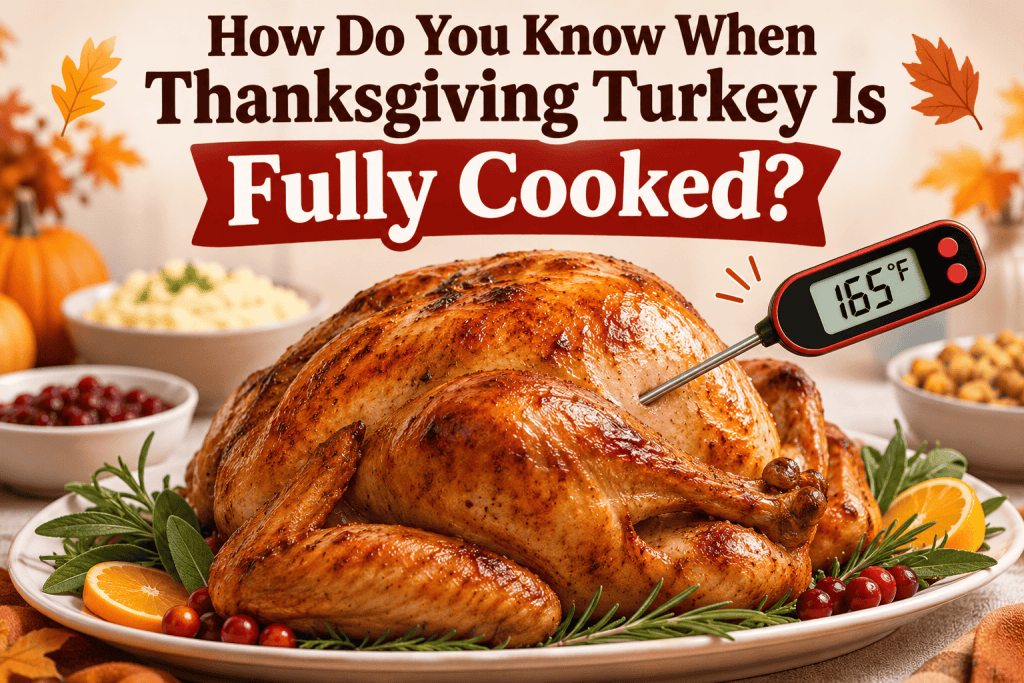
The most important rule for cooking Thanksgiving turkey is that the internal temperature must reach 165°F (74°C).
According to USDA food safety guidelines, whole turkey, turkey breast, and other poultry must reach a minimum internal temperature of 165°F to be considered safely cooked.
This temperature is important because it helps eliminate harmful bacteria that may be present in raw poultry.
For a whole Thanksgiving turkey, check the temperature in three different locations:
-
The thickest part of the breast
-
The innermost part of the thigh
-
The innermost part of the wing
Each location should register at least 165°F before the turkey is considered fully cooked.
Because different sections of a turkey cook at different rates, checking only one area may give you an inaccurate picture of whether the entire bird is ready.
What Is the Best Way to Check if a Turkey Is Done?
The most reliable way to check whether a Thanksgiving turkey is done is to use a digital instant-read meat thermometer.
A thermometer measures the internal temperature of the meat, allowing you to determine whether the turkey has reached the proper level of doneness without relying on guesswork.
How to Check Turkey Temperature Step by Step
Step 1: Remove the turkey from the oven briefly.
Carefully pull the roasting pan out far enough to access the turkey safely. You can also check the temperature while the turkey remains in the oven if you can reach the appropriate areas without risking burns.
Step 2: Insert the thermometer into the breast.
Place the thermometer into the thickest portion of the breast without touching the bone.
Wait until the temperature reading stabilizes.
Step 3: Check the thigh.
Insert the thermometer into the innermost part of the thigh, avoiding the bone.
The thigh often cooks differently from the breast, making this an important location to check.
Step 4: Check the wing.
Measure the temperature in the innermost portion of the wing.
Step 5: Confirm the temperature.
If all three locations have reached at least 165°F, the turkey is safely cooked.
If any section remains below 165°F, return the turkey to the oven and continue roasting.
Check again after approximately 10–15 minutes, depending on how close the turkey is to the required temperature.
Can You Tell if a Turkey Is Done Without a Thermometer?
Although some traditional cooking methods suggest checking the appearance of the turkey, these techniques cannot reliably determine whether poultry is safe to eat.
Common signs people look for include golden-brown skin, clear juices, and meat that separates easily from the bone.
However, none of these signs guarantees that the internal temperature has reached 165°F.
Does Clear Turkey Juice Mean It Is Done?
Many people believe that turkey is fully cooked when the juices run clear rather than pink.
Unfortunately, this method is unreliable.
Turkey juices can appear clear before the meat reaches a safe internal temperature. Similarly, properly cooked turkey may occasionally retain a slightly pink appearance.
The color of the juices should never replace a thermometer reading.
Does Golden-Brown Skin Mean the Turkey Is Cooked?
A beautifully browned turkey may look ready to serve, but the appearance of the skin does not indicate whether the interior has finished cooking.
Turkey skin can become golden brown long before the thickest portions of the meat reach a safe temperature.
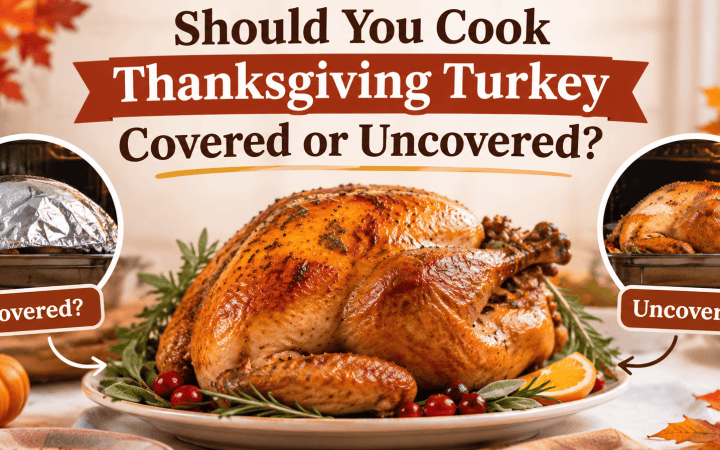
If the skin begins browning too quickly, loosely cover the turkey with aluminum foil while the interior continues cooking.
Does the Meat Falling Off the Bone Mean It Is Done?
Turkey meat that separates easily from the bone is usually well cooked, but this is not a dependable food safety test.
The texture of the meat depends on several factors, including cooking temperature, roasting time, and the particular section of the bird.
A thermometer remains the safest way to verify doneness.
Where Should You Insert a Thermometer in a Thanksgiving Turkey?
Proper thermometer placement is essential for obtaining an accurate temperature reading.
If the thermometer touches a bone, enters the cavity, or is inserted into a thin section of meat, the reading may not accurately reflect the temperature of the surrounding turkey.
For the breast, insert the thermometer into the thickest part of the meat.
For the thigh, locate the innermost section near the body, avoiding the bone.
For the wing, check the innermost portion where it connects to the body.
If you are uncertain about the reading, check several nearby locations.
Always use the lowest valid temperature reading to determine whether additional cooking is necessary.
How Long Does It Take to Cook a Thanksgiving Turkey?
Although temperature is the most reliable indicator of doneness, estimated cooking times can help you plan Thanksgiving dinner.
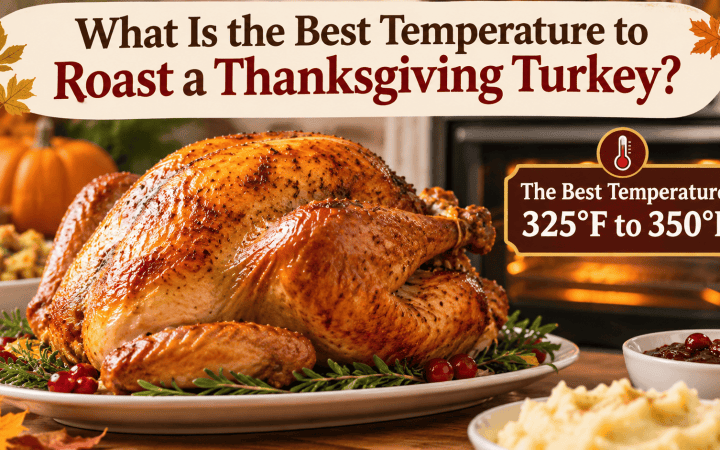
For an unstuffed turkey roasted at 325°F, approximate USDA cooking times are:
| Turkey Weight | Estimated Cooking Time |
|---|---|
| 8–12 pounds | 2¾–3 hours |
| 12–14 pounds | 3–3¾ hours |
| 14–18 pounds | 3¾–4¼ hours |
| 18–20 pounds | 4¼–4½ hours |
| 20–24 pounds | 4½–5 hours |
These estimates apply to fully thawed, unstuffed turkeys.
Actual cooking times can vary depending on oven performance, turkey shape, roasting equipment, and whether the bird is stuffed.
Always confirm doneness using a thermometer rather than relying entirely on the clock.
How Do You Know When a Stuffed Turkey Is Fully Cooked?
A stuffed Thanksgiving turkey requires additional attention because both the turkey and the stuffing must reach a safe internal temperature.
The center of the stuffing must reach 165°F.
Even when the turkey meat reaches the proper temperature, the stuffing inside the cavity may still be undercooked.
This happens because stuffing heats more slowly than the surrounding meat.
To check a stuffed turkey:
-
Measure the temperature of the thickest part of the breast.
-
Check the innermost thigh and wing.
-
Insert a thermometer into the center of the stuffing.
-
Confirm that every location has reached at least 165°F.
If the stuffing has not reached the required temperature, continue cooking until it does.
For easier temperature control and more even cooking, preparing stuffing separately in a baking dish is generally recommended.
Can Thanksgiving Turkey Be Slightly Pink and Still Be Fully Cooked?
Yes. Thanksgiving turkey can sometimes have a slightly pink appearance even after reaching a safe internal temperature.
The color of cooked poultry can be influenced by several factors, including the age of the bird, natural pigments in the meat, and cooking conditions.
Dark meat near the bones may remain pinkish even when fully cooked.
This is why color alone is not a reliable indication of food safety.
If the turkey has reached 165°F in all required locations, it is considered safely cooked even if some meat retains a pink tint.
However, if you have not verified the temperature, do not assume that pink turkey is safe to eat.
Should Turkey Thighs Be Cooked to a Higher Temperature Than the Breast?
Although both turkey breast and thigh meat are safe at 165°F, many cooks prefer dark meat cooked to a slightly higher temperature.
Turkey thighs contain more connective tissue than breast meat.
Cooking thighs to approximately 175–185°F can help soften that connective tissue and produce a more tender texture.
Turkey breast, however, is leaner and more likely to dry out when cooked beyond the necessary temperature.
For this reason, an ideal finished turkey may have breast meat around 165°F and thigh meat closer to 175°F or higher.
The important distinction is that 165°F is the minimum safe temperature, while higher temperatures for dark meat are primarily a texture preference.
What Happens if You Overcook Thanksgiving Turkey?
Overcooking turkey can cause the meat to lose moisture, resulting in a dry and sometimes chewy texture.
Turkey breast is especially vulnerable because it contains relatively little fat.
As the internal temperature rises beyond the necessary cooking temperature, muscle fibers tighten and release moisture.
Common signs of overcooked turkey include dry breast meat, stringy texture, and meat that is difficult to chew.
To help prevent overcooking, begin checking the turkey’s temperature before the estimated cooking time is complete.
A digital thermometer allows you to monitor the cooking process and avoid leaving the turkey in the oven longer than necessary.
Should You Let Thanksgiving Turkey Rest Before Carving?
Yes. Allowing Thanksgiving turkey to rest after roasting is an important step that can improve the final texture and moisture of the meat.
After removing the turkey from the oven, let it rest for approximately 20–30 minutes before carving.
During this time, the temperature may continue to rise slightly because of residual heat.
Resting also allows the meat to relax and helps reduce the amount of juice lost during carving.
How to Rest Thanksgiving Turkey Properly
Place the cooked turkey on a clean cutting board or serving platter.
Loosely cover it with aluminum foil if desired.
Avoid wrapping the turkey tightly, as trapped steam can soften the crispy skin.
Allow the bird to rest before removing the legs, wings, and breast meat.
For food safety, do not leave cooked turkey at room temperature for more than two hours.
Can You Remove Turkey From the Oven Before It Reaches 165°F?
Some experienced cooks remove turkey from the oven slightly before it reaches 165°F because the internal temperature may continue rising during the resting period.
This process is called carryover cooking.
However, the amount of temperature increase is not guaranteed. It depends on the turkey’s size, cooking temperature, and resting conditions.
For home cooks, the simplest and safest approach is to confirm that the turkey has reached 165°F in all required locations before removing it from the oven.
If using carryover cooking, the turkey must still reach a verified safe temperature before serving.
Do not rely on an assumed temperature increase.
What Should You Do if the Turkey Breast Is Done but the Thigh Is Not?
One of the most common Thanksgiving cooking challenges occurs when the breast reaches 165°F before the thigh finishes cooking.
Because different parts of the turkey have different shapes, thicknesses, and fat content, they do not always cook at the same rate.
If the breast is fully cooked but the thigh remains below 165°F, the turkey needs additional cooking.
To help prevent the breast from drying out, loosely cover it with aluminum foil.
Continue roasting and check the thigh temperature regularly.
If necessary, you can separate the cooked breast from the turkey and return the undercooked portions to the oven, using clean utensils and preventing cross-contamination.
This approach allows the remaining sections to finish cooking without unnecessarily exposing the breast meat to additional heat.
How Can You Prevent Thanksgiving Turkey From Being Undercooked?
Preventing undercooked turkey begins long before the bird enters the oven.
Proper preparation, thawing, and temperature monitoring can make Thanksgiving cooking safer and more predictable.
Thaw the Turkey Completely
A partially frozen turkey can cook unevenly.
The outer portions may appear fully cooked while the interior remains below the required temperature.
When thawing a turkey in the refrigerator, allow approximately 24 hours for every 4–5 pounds.
Keep the refrigerator at 40°F or below during thawing.
Preheat the Oven
Always preheat the oven before roasting the turkey.
For traditional roasting, an oven temperature of at least 325°F is recommended.
Avoid Overcrowding the Oven
Crowding the oven with several large dishes can interfere with air circulation and affect cooking times.
Plan the preparation of side dishes so the turkey has adequate space to roast.
Use a Reliable Meat Thermometer
A digital instant-read thermometer or an oven-safe probe thermometer can make temperature monitoring easier.
Check the thermometer’s accuracy according to the manufacturer’s instructions.
Check Multiple Locations
Never assume the entire turkey is done because one section has reached the proper temperature.
Always check the breast, thigh, and wing.
How Do You Know if a Turkey Breast Is Fully Cooked?
If you are preparing a turkey breast instead of a whole turkey, the same minimum safe temperature applies.
The thickest portion of the turkey breast must reach 165°F.
Insert the thermometer into the center of the thickest section without touching the bone.
For a large turkey breast, check multiple locations to ensure even cooking.
Bone-in and boneless turkey breasts may require different cooking times, but both must reach the same safe internal temperature.
Frequently Asked Questions About Thanksgiving Turkey Doneness
Is Turkey Done at 160°F?
Turkey that registers 160°F has not yet reached the USDA’s standard minimum safe internal temperature of 165°F.
Although specific time-and-temperature combinations can achieve equivalent bacterial reduction, home cooks should use 165°F as the straightforward safety target.
Can a Turkey Be Done in Three Hours?
Yes, depending on its size and cooking conditions.
A smaller turkey may finish roasting in approximately three hours, while larger birds often require considerably more time.
Always check the internal temperature.
Is 170°F Too High for Turkey Breast?
A turkey breast cooked to 170°F is above the minimum safe temperature and may be drier than one cooked to 165°F.
However, it is still safe to eat if it has been handled and stored properly.
Why Is My Turkey Still Pink at 165°F?
Natural pigments and cooking conditions can cause turkey meat to retain a pink appearance after reaching a safe internal temperature.
A verified thermometer reading is more reliable than meat color.
How Often Should You Check Turkey Temperature?
Begin checking approximately 30–45 minutes before the estimated cooking time ends.
As the turkey approaches 165°F, check more frequently to avoid overcooking.
Can You Use the Pop-Up Timer That Comes With a Turkey?
Built-in pop-up timers can provide a general indication of doneness, but they should not replace a reliable food thermometer.
Always confirm the temperature in the required locations.
What if One Part of the Turkey Is Below 165°F?
The turkey is not yet fully cooked.
Continue roasting until all required sections reach the minimum safe temperature.
How Long Can Cooked Thanksgiving Turkey Sit Out?
Cooked turkey should not remain at room temperature for more than two hours, or one hour if the surrounding temperature is above 90°F.
Refrigerate leftovers promptly in shallow containers so they cool quickly.
Final Thoughts: How Do You Know When Thanksgiving Turkey Is Fully Cooked?
Knowing when Thanksgiving turkey is fully cooked does not have to involve guessing, cutting into the meat repeatedly, or relying on the color of the juices.
The most dependable method is to use a food thermometer and confirm that the thickest part of the breast, the innermost thigh, and the innermost wing have each reached at least 165°F.
For stuffed turkey, the center of the stuffing must also reach 165°F.
Cooking times, golden-brown skin, and clear juices may provide clues about the roasting process, but none can replace an accurate temperature reading.
By checking the proper locations, allowing the turkey to rest before carving, and avoiding unnecessary overcooking, you can serve a Thanksgiving turkey that is both safe and delicious.
The simplest Thanksgiving turkey rule to remember is this: trust the thermometer, not the clock or the color of the meat.




Leave a Reply