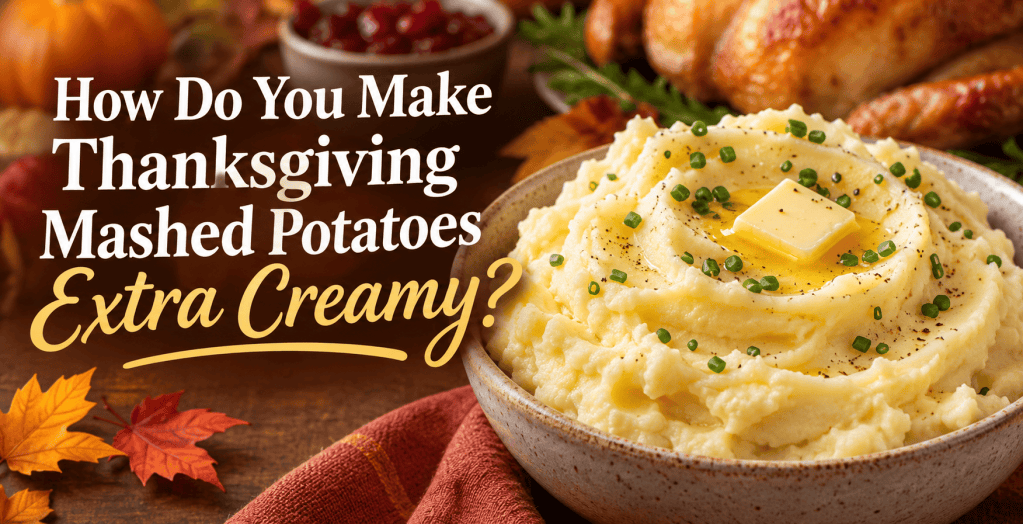
Thanksgiving mashed potatoes are one of the most beloved side dishes on the holiday dinner table. Whether served alongside roasted turkey, homemade gravy, stuffing, or green bean casserole, a generous helping of smooth, buttery mashed potatoes brings comfort to almost every Thanksgiving meal.
However, making truly creamy mashed potatoes requires more than simply boiling potatoes and adding butter. The type of potatoes you choose, how you cook them, the temperature of your dairy ingredients, and even the way you mash them can make a significant difference.
If you have ever ended up with mashed potatoes that were dry, lumpy, sticky, or lacking flavor, a few simple cooking techniques can completely transform your results.
The secret to extra-creamy Thanksgiving mashed potatoes is using the right potatoes, removing excess moisture after boiling, adding plenty of butter, and gradually incorporating warm cream or milk.
With the right ingredients and preparation, you can create rich, fluffy, restaurant-quality mashed potatoes that everyone will want seconds of.
What Makes Thanksgiving Mashed Potatoes Extra Creamy?
The difference between ordinary mashed potatoes and exceptionally creamy mashed potatoes comes down to moisture, fat, starch, and texture.
Potatoes naturally contain starch, which helps create their familiar soft consistency. However, excessive mixing releases too much starch and can turn mashed potatoes gummy or glue-like.
Butter and cream add richness while helping create a smooth, luxurious texture.
For the creamiest results, focus on four important techniques:
-
Choose potatoes that mash smoothly.
-
Cook the potatoes until completely tender.
-
Add warm butter and dairy ingredients.
-
Mash gently without overworking the potatoes.
Combining these techniques creates mashed potatoes that are light, rich, buttery, and smooth without becoming heavy or sticky.
What Are the Best Potatoes for Creamy Thanksgiving Mashed Potatoes?
Choosing the right potato variety is one of the most important decisions when preparing Thanksgiving mashed potatoes.
Different potatoes contain different amounts of starch and moisture, which directly affects the finished texture.
Yukon Gold Potatoes
Yukon Gold potatoes are an excellent choice for creamy mashed potatoes because they have a naturally buttery flavor and smooth texture.
Their moderate starch content allows them to become creamy without requiring excessive amounts of dairy.
They also have a beautiful golden color that makes the finished dish look especially appetizing.
Russet Potatoes
Russet potatoes contain more starch and produce lighter, fluffier mashed potatoes.
They absorb butter and cream exceptionally well, making them another popular choice for Thanksgiving dinner.
However, they can become dry if not enough moisture is added.
Using Both Yukon Gold and Russet Potatoes
For an excellent balance of creamy and fluffy textures, combine Yukon Gold and Russet potatoes.
Using approximately equal amounts provides the natural buttery richness of Yukon Gold potatoes with the lightness of Russets.
This combination is particularly useful when preparing mashed potatoes for a large Thanksgiving gathering.
Ingredients for Extra-Creamy Thanksgiving Mashed Potatoes
Prep Time: 15 minutes | Cook Time: 20–25 minutes | Total Time: 35–40 minutes | Servings: 8–10
Ingredients
-
4 pounds Yukon Gold potatoes, Russet potatoes, or a combination
-
1 cup unsalted butter, divided
-
1 cup heavy cream
-
½ cup whole milk, plus additional as needed
-
½ cup sour cream, optional
-
2 teaspoons kosher salt, plus more for the cooking water
-
½ teaspoon freshly ground black pepper
-
2 cloves garlic, optional
-
Fresh chopped chives or parsley for garnish
These ingredients create a rich, buttery mashed potato dish with a soft, smooth consistency.
For an even richer flavor, you can replace some of the heavy cream with softened cream cheese or crème fraîche.
How Do You Make Thanksgiving Mashed Potatoes Extra Creamy Step by Step?
Step 1: Peel and Cut the Potatoes
Peel the potatoes and cut them into evenly sized pieces, approximately 1½ to 2 inches.
Keeping the pieces similar in size helps them cook evenly.
If some pieces are much smaller than others, they may become waterlogged before the larger pieces finish cooking.
Place the cut potatoes into a large pot.
Step 2: Start With Cold Water
Cover the potatoes with cold water by approximately one inch.
Add a generous amount of salt to the water.
Starting potatoes in cold water allows them to heat gradually and cook more evenly.
Bring the water to a boil, then reduce the heat to maintain a gentle simmer.
Cook for approximately 15–20 minutes, depending on the size of the potato pieces.
The potatoes are ready when a fork slides easily through the center without resistance.
Step 3: Drain and Dry the Potatoes
Drain the cooked potatoes thoroughly in a colander.
Return them to the empty pot over very low heat for approximately 1–2 minutes, stirring gently.
This allows excess moisture to evaporate.
Removing extra water is one of the most overlooked secrets to creamy mashed potatoes.
Watery potatoes can dilute the butter and cream, creating a loose texture rather than a rich, velvety consistency.
Step 4: Warm the Butter and Cream
While the potatoes cook, combine the heavy cream, whole milk, and ¾ cup of butter in a small saucepan.
Warm over low heat until the butter melts and the mixture is hot but not boiling.
If using garlic, add the lightly crushed cloves while warming the dairy, then remove them before mixing.
Warm dairy incorporates more smoothly into hot potatoes than cold dairy.
Step 5: Mash the Potatoes Gently
For exceptionally smooth mashed potatoes, use a potato ricer or food mill.
These tools break the potatoes into small, uniform pieces without excessive mixing.
If you prefer a traditional texture, use a handheld potato masher.
Avoid using a blender or food processor because their powerful blades can release too much starch and produce a gummy consistency.
Step 6: Add the Warm Butter and Cream
Gradually pour the warm butter and cream mixture into the mashed potatoes.
Fold gently with a wooden spoon or silicone spatula.
Add a little at a time until the potatoes reach your preferred consistency.
You may not need every drop of the dairy mixture, depending on the potato variety and moisture content.
Step 7: Add Sour Cream and Seasonings
If using sour cream, fold it into the potatoes until evenly incorporated.
Season with kosher salt and freshly ground black pepper.
Taste and adjust the seasoning.
Sour cream adds a mild tanginess that balances the richness of the butter and heavy cream.
Step 8: Finish With Butter
Transfer the mashed potatoes to a warm serving bowl.
Top with the remaining ¼ cup of butter and allow it to melt over the surface.
Garnish with freshly chopped chives or parsley if desired.
Serve immediately with Thanksgiving turkey and gravy.
What Is the Secret Ingredient for Extra-Creamy Mashed Potatoes?
Heavy cream is one of the most effective ingredients for creating rich, smooth mashed potatoes.
Its higher fat content provides a luxurious texture that ordinary milk cannot fully replicate.
However, several other ingredients can improve the creaminess and flavor.
Cream Cheese
Adding 4–8 ounces of softened cream cheese to four pounds of potatoes creates a thick, rich consistency.
Cream cheese also helps mashed potatoes retain a creamy texture when reheated.
Sour Cream
Sour cream provides moisture and a slight tangy flavor.
It works particularly well when the mashed potatoes are served with rich turkey gravy.
Crème Fraîche
Crème fraîche adds a silky texture and subtle tanginess.
It is an excellent option when preparing a more elegant Thanksgiving dinner.
Roasted Garlic
Roasted garlic does not directly make mashed potatoes creamier, but it adds a mellow, savory flavor that complements butter and cream.
Mash several roasted garlic cloves into the potatoes for a flavorful variation.
Should You Use Heavy Cream or Milk for Thanksgiving Mashed Potatoes?
Both heavy cream and milk can produce delicious mashed potatoes, but they create slightly different results.
Heavy cream provides more richness and a fuller mouthfeel because it contains more fat.
Whole milk creates a lighter texture and a more traditional mashed potato flavor.
For Thanksgiving, using a combination of heavy cream and whole milk provides a good balance.
A useful starting ratio for four pounds of potatoes is:
-
1 cup heavy cream
-
½ cup whole milk
-
¾ cup butter mixed into the potatoes
You can adjust the amounts depending on how thick or creamy you want the finished dish.
Why Should You Add Warm Milk to Mashed Potatoes?
Adding cold milk or cream can cool the potatoes and make the mixture harder to incorporate evenly.
Warm dairy blends more easily with freshly cooked potatoes.
This helps distribute the butter and cream without requiring excessive stirring.
Excessive stirring is one of the main reasons mashed potatoes become sticky.
Warming the dairy before adding it allows you to achieve a smooth consistency with less mixing.
How Do You Make Mashed Potatoes Smooth Without Lumps?
Lumpy mashed potatoes usually result from undercooked potatoes or uneven mashing.
To prevent lumps, make sure every potato piece is completely tender before draining.
A fork should slide easily through the center.
For the smoothest possible consistency, use a potato ricer.
A ricer presses cooked potatoes through small holes, creating fine pieces that absorb butter and cream evenly.
A food mill is another excellent option.
Avoid aggressive mixing with electric appliances, especially food processors and blenders.
How Much Butter Should You Put in Thanksgiving Mashed Potatoes?
Butter is essential for creating rich Thanksgiving mashed potatoes.
For four pounds of potatoes, approximately ½ to 1 cup of butter produces a flavorful, creamy dish.
Using a full cup creates a particularly rich holiday-style preparation.
If you prefer lighter mashed potatoes, reduce the butter and adjust the amount of milk or cream.
Unsalted butter is usually the best choice because it allows you to control the seasoning.
For additional flavor, try using European-style butter, which often contains a slightly higher percentage of butterfat.
Can You Make Thanksgiving Mashed Potatoes Ahead of Time?
Yes. Thanksgiving mashed potatoes can be prepared ahead of time, making holiday cooking much easier.
Preparing them in advance frees up valuable stovetop space while you finish the turkey, stuffing, gravy, and other side dishes.
For the best results, prepare the mashed potatoes one day before Thanksgiving.
Allow them to cool promptly, transfer them to a covered container, and refrigerate within two hours of cooking.
When reheating, add a small amount of warm cream or milk to restore moisture.
How to Reheat Mashed Potatoes in the Oven
Transfer the refrigerated mashed potatoes to a buttered baking dish.
Add several small pieces of butter over the top.
Cover tightly with aluminum foil.
Bake at 325°F for approximately 30–45 minutes, or until heated throughout to 165°F.
Stir gently partway through heating if practical.
Add a little warm cream if the potatoes appear dry.
How to Keep Mashed Potatoes Warm in a Slow Cooker
A slow cooker can help keep freshly prepared mashed potatoes warm while the rest of Thanksgiving dinner finishes cooking.
Transfer the hot potatoes into a lightly buttered slow cooker.
Set it to the warm setting and keep the potatoes at 140°F or above.
Stir occasionally and add small amounts of warm milk or butter if needed.
Use a food thermometer to verify the holding temperature, since slow cookers vary.
Do not use the warm setting to slowly reheat refrigerated mashed potatoes. Reheat them to 165°F first.
Why Do Thanksgiving Mashed Potatoes Turn Gummy?
Gummy mashed potatoes happen when too much starch is released during preparation.
Potatoes contain starch granules that swell during cooking.
When cooked potatoes are aggressively blended or mixed, more starch is released, creating a sticky texture.
Common causes include using a food processor, overmixing with an electric mixer, and repeatedly stirring after the potatoes are already smooth.
To prevent gummy mashed potatoes, use a potato ricer or handheld masher and fold in the dairy ingredients gently.
Once the potatoes are creamy, stop mixing.
How Do You Fix Mashed Potatoes That Are Too Thick?
Mashed potatoes naturally thicken as they cool.
If they become too thick, gradually add warm milk, heavy cream, or melted butter.
Start with two tablespoons at a time.
Fold gently until the desired consistency is reached.
Avoid adding too much liquid at once because the potatoes can quickly become runny.
How Do You Fix Mashed Potatoes That Are Too Runny?
If your mashed potatoes contain too much liquid, place them over low heat and stir gently to allow some moisture to evaporate.
Be careful not to scorch the bottom of the pot.
You can also fold in additional cooked, riced potatoes to absorb some of the excess moisture.
Avoid adding raw flour because it can create an unpleasant texture and flavor.
Can You Make Extra-Creamy Mashed Potatoes Without Heavy Cream?
Yes. Heavy cream is not required to make creamy Thanksgiving mashed potatoes.
Whole milk, butter, sour cream, and cream cheese can all contribute to a smooth texture.
For a lighter version, use whole milk and a moderate amount of butter.
For a dairy-free version, use unsweetened, unflavored plant-based milk and a dairy-free butter alternative.
The key is adding the liquid gradually and avoiding excessive mixing.
What Can You Add to Thanksgiving Mashed Potatoes for More Flavor?
Classic buttered mashed potatoes are delicious, but several ingredients can make them even more memorable.
Roasted garlic adds a sweet, mellow garlic flavor.
Fresh chives provide a mild onion taste and beautiful green color.
Parmesan cheese adds a savory richness that pairs well with roasted turkey.
Caramelized onions create a slightly sweet, deeply flavorful variation.
Fresh rosemary or thyme can add an aromatic holiday flavor, although these herbs should be used sparingly so they do not overpower the potatoes.
For traditional Thanksgiving mashed potatoes, butter, salt, pepper, and a little garlic are often all you need.
Common Mistakes to Avoid When Making Thanksgiving Mashed Potatoes
Even experienced home cooks sometimes make mistakes that affect the texture of mashed potatoes.
One common mistake is cutting potatoes into pieces that are too small. Tiny pieces can absorb excess water during cooking.
Another mistake is starting potatoes in boiling water instead of cold water. This can cause uneven cooking.
Failing to drain potatoes thoroughly can also result in watery mashed potatoes.
Adding all the milk or cream at once makes it difficult to control the consistency.
Finally, overmixing can transform otherwise perfect mashed potatoes into a sticky mixture.
Taking a little extra care during each step helps prevent these problems.
Frequently Asked Questions About Creamy Thanksgiving Mashed Potatoes
Is it better to mash potatoes hot or cold?
Potatoes are easier to mash while they are hot. Their texture is softer, allowing butter and cream to incorporate more evenly.
Should you rinse potatoes after boiling them?
No. Rinsing cooked potatoes adds unnecessary moisture and cools them down. Drain them thoroughly instead.
Can you leave the skins on Thanksgiving mashed potatoes?
Yes. Leaving the skins on creates a more rustic texture. For exceptionally smooth mashed potatoes, peeling is recommended.
Can you use half-and-half instead of heavy cream?
Yes. Half-and-half provides a creamy texture while containing less fat than heavy cream.
How long do leftover mashed potatoes last?
Properly refrigerated mashed potatoes generally keep for 3–4 days. Store them in a covered container at 40°F or below and reheat leftovers to 165°F.
Can you freeze creamy mashed potatoes?
Yes. Mashed potatoes containing sufficient butter and cream generally freeze better than low-fat versions. Cool promptly, freeze in airtight containers, and use within one to two months for the best quality.
What is the best tool for making creamy mashed potatoes?
A potato ricer is one of the best tools for achieving a consistently smooth texture without overworking the potatoes.
Final Thoughts: How Do You Make Thanksgiving Mashed Potatoes Extra Creamy?
Making extra-creamy Thanksgiving mashed potatoes does not require complicated ingredients or professional cooking equipment.
The most important steps are choosing the right potatoes, cooking them until tender, removing excess moisture, incorporating warm butter and cream, and avoiding excessive mixing.
Yukon Gold potatoes offer natural creaminess, while Russet potatoes provide a lighter, fluffier texture. Combining both varieties gives you an excellent balance.
For an especially rich holiday side dish, use generous amounts of butter, warm heavy cream, and a little sour cream.
Whether you prepare your mashed potatoes fresh on Thanksgiving Day or make them ahead to simplify dinner preparations, these techniques will help you achieve consistently delicious results.
The best Thanksgiving mashed potatoes should be smooth, buttery, fluffy, and creamy enough to enjoy on their own, yet sturdy enough to hold a generous spoonful of homemade turkey gravy.
With these simple tips, your Thanksgiving mashed potatoes can become one of the most requested dishes at your holiday table.



Leave a Reply