When people think about improving their diet, they often focus on what they need to eliminate. Eat less sugar. Cut back on fast food. Avoid heavily processed snacks. Reduce saturated fat. Watch portion sizes.
Those changes can certainly matter, but healthy eating isn’t only about removing foods. It is also about adding nutritious foods that help your body function at its best.
One of the simplest habits you can build is including a source of lean protein in your main meals.
Protein is an essential nutrient that supports muscles, tissues, enzymes, hormones, immune function, and countless processes taking place throughout your body every day. It can also contribute to feelings of fullness, making balanced meals more satisfying.
You don’t need to follow a high-protein diet or completely redesign the way you eat. The goal is much simpler:
When you prepare breakfast, lunch, or dinner, ask yourself where your protein is coming from.
That small question can help you build more balanced meals.
Why Does Your Body Need Protein?
Protein is one of the three major macronutrients your body needs, alongside carbohydrates and fats.
Proteins are made from amino acids. Your body uses these amino acids as building materials for many important structures and functions.
Protein contributes to:
- Building and maintaining muscle
- Repairing body tissues
- Supporting normal immune function
- Producing enzymes and hormones
- Maintaining healthy skin, hair, and nails
- Supporting recovery after physical activity
- Helping meals feel satisfying
Protein isn’t something only athletes and bodybuilders need to think about.
Everyone needs protein.
Children need it as they grow. Adults need it to maintain tissues and muscle. Older adults need adequate nutrition to support strength and healthy aging.
The amount each person needs varies depending on factors such as body size, age, activity level, overall diet, and certain medical circumstances.
The important takeaway is that protein should be a regular part of a balanced eating pattern.
What Makes a Protein “Lean”?
When people hear “protein,” they may immediately think of steak, hamburgers, bacon, or other meats.
Those foods can contain protein, but some protein-rich foods also contain significant amounts of saturated fat or sodium.
Choosing leaner protein sources allows you to get valuable protein while limiting some of the saturated fat that may accompany higher-fat options.
Examples of lean or nutrient-dense protein choices can include:
- Skinless chicken breast
- Turkey
- Fish
- Seafood
- Eggs
- Lean cuts of beef
- Lean cuts of pork
- Beans
- Lentils
- Chickpeas
- Peas
- Tofu
- Tempeh
- Edamame
- Low-fat Greek yogurt
- Low-fat cottage cheese
- Other lower-fat dairy products
You don’t have to choose animal protein at every meal, either.
Plant-based protein sources can provide protein along with other valuable nutrients. Beans, lentils, chickpeas, and peas, for example, also provide dietary fiber.
Variety is one of the best approaches.
Protein Doesn’t Mean Eating Huge Portions of Meat
One misconception about increasing protein is that every meal needs an enormous piece of meat.
It doesn’t.
A balanced diet is still about balance.
Protein should complement vegetables, fruits, whole grains, healthy fats, and other nutritious foods rather than completely replacing them.
Instead of thinking:
“I need to eat as much protein as possible.”
Think:
“I want a reasonable source of protein as part of a balanced meal.”
More isn’t automatically better.
Your nutritional needs are individual, and people with certain medical conditions may need personalized guidance about protein intake.
Make Protein Part of Breakfast
Breakfast is one of the easiest meals to overlook when it comes to protein.
Many popular breakfast foods are primarily carbohydrates. Toast, cereal, pastries, pancakes, muffins, and breakfast bars can certainly be part of an eating pattern, but depending on what they’re paired with, they may not provide much protein.
Instead of eliminating the breakfast you enjoy, consider what you could add.
For example:
Eggs and Whole-Grain Toast
Pair eggs with whole-grain toast and fruit for a breakfast containing protein, carbohydrates, fiber, vitamins, and minerals.
Greek Yogurt and Berries
Greek yogurt can provide protein while berries add natural sweetness, fiber, and nutrients.
Add nuts or seeds for additional texture and healthy fats.
Oatmeal With Protein-Rich Sides
Oatmeal doesn’t have to stand alone.
Pair it with Greek yogurt, milk, eggs, cottage cheese, nuts, or seeds.
Cottage Cheese and Fruit
Cottage cheese paired with berries, peaches, pineapple, or another favorite fruit can make a quick breakfast requiring very little preparation.
Breakfast Burrito
Eggs, beans, vegetables, and a whole-grain tortilla can create a filling breakfast that contains both animal and plant protein.
A little planning can turn breakfast into a much more balanced meal.
Build a Protein-Rich Lunch
Lunch is another meal where convenience often takes over.
You may be working, running errands, caring for family, or simply trying to get through a busy afternoon. When you’re short on time, lunch can become whatever is easiest to grab.
Planning even one protein option ahead of time can help.
Consider meals such as:
- Grilled chicken salad
- Turkey and vegetable wrap
- Tuna sandwich on whole-grain bread
- Chicken and brown rice bowl
- Lentil soup with a side salad
- Chickpea salad
- Turkey sandwich with fruit
- Black bean burrito bowl
- Leftover salmon with vegetables
- Tofu and vegetable bowl
Lunch doesn’t have to be complicated.
A sandwich with lean protein, vegetables, and whole-grain bread can be perfectly reasonable. Add fruit or another vegetable on the side and you have a more balanced meal.
Include Lean Protein at Dinner
Dinner is often the meal where people naturally include protein, but the type of protein and how it’s prepared can make a difference.
Consider building dinner around combinations such as:
Grilled chicken + roasted vegetables + brown rice
Baked salmon + broccoli + sweet potato
Lean turkey meatballs + whole-grain pasta + vegetables
Shrimp + vegetables + quinoa
Tofu stir-fry + mixed vegetables + brown rice
Black beans + quinoa + peppers + salsa
Lean pork + green beans + roasted potatoes
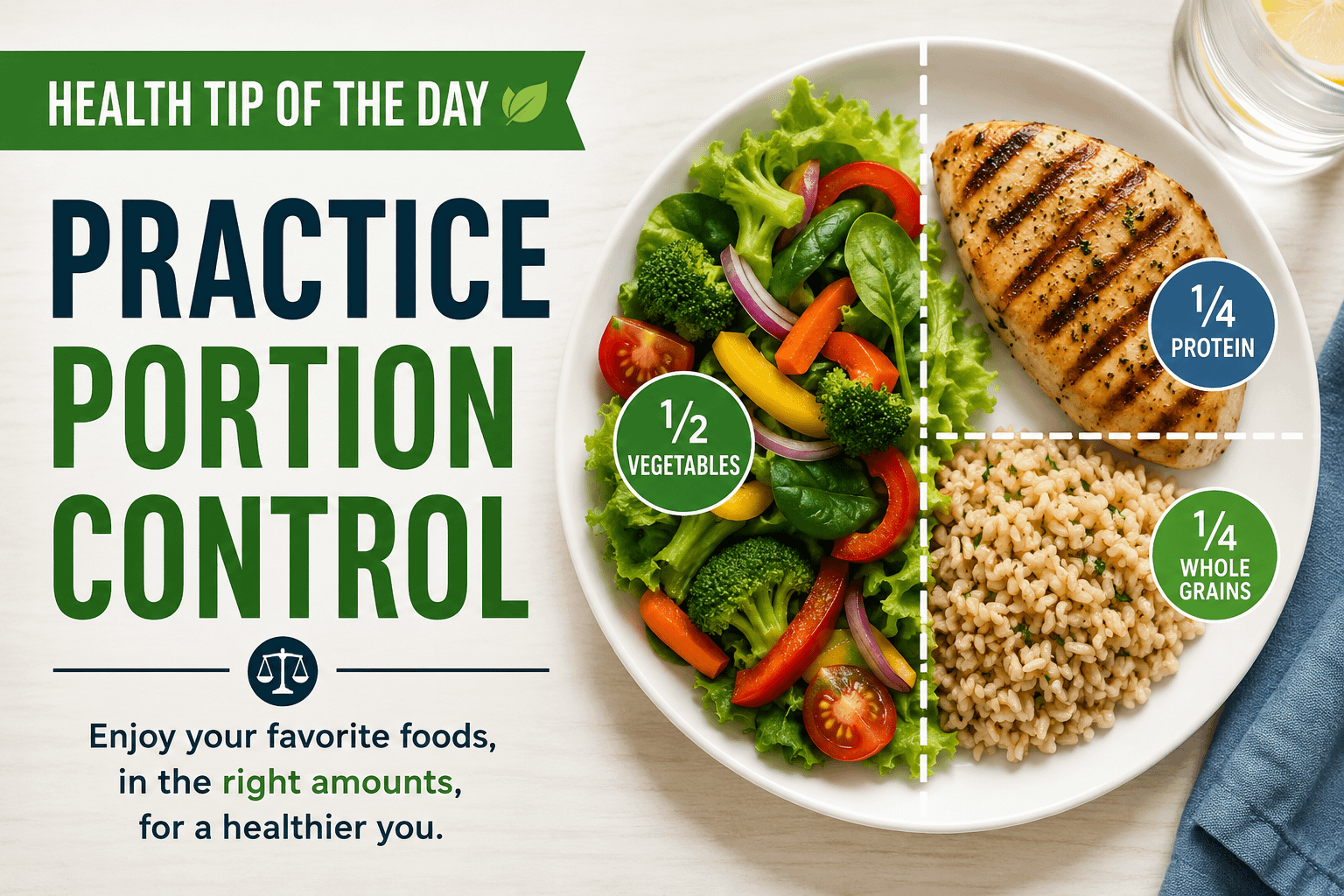
Notice that protein isn’t the entire meal.
It is one part of the plate.
That is an important distinction.
Plant-Based Protein Deserves a Place on Your Plate
Eating lean protein doesn’t mean eating meat three times a day.
Plant proteins can add tremendous variety to your meals.
Beans, lentils, tofu, tempeh, chickpeas, peas, and edamame are versatile foods that can work in everything from soups to tacos.
For example, you could make:
- Black bean tacos
- Lentil soup
- Chickpea salad
- Tofu stir-fry
- Lentil curry
- Bean and vegetable chili
- Chickpea grain bowls
- Black bean burritos
- Lentil pasta dishes
- Edamame salads
Experimenting with plant proteins can introduce you to new meals while increasing the variety of foods in your diet.
Protein May Help Meals Feel More Satisfying
Have you ever eaten a meal and felt hungry again shortly afterward?
There can be many reasons for this, but meal composition plays a role in how satisfying food feels.
Meals containing protein, fiber-rich carbohydrates, and healthy fats can often provide greater satisfaction than meals made mostly from highly refined carbohydrates.
Imagine two breakfasts.
Breakfast one:
A sugary pastry and sweetened beverage.
Breakfast two:
Eggs, whole-grain toast, berries, and water or an unsweetened beverage.
Both are technically breakfast, but they provide very different nutritional profiles.
Rather than obsessing over calories alone, consider the quality and balance of your meals.
Ask whether your meal contains:
Protein?
Fiber?
Fruits or vegetables?
Whole or minimally processed foods?
Healthy fats?
These questions can help you make more nourishing choices.
Protein Can Support Muscle Maintenance
Muscle matters far beyond appearance.
Your muscles help you walk, stand, climb stairs, carry groceries, perform household tasks, exercise, work, and maintain independence.
As people age, preserving muscle becomes increasingly important.
Physical activity—particularly resistance exercise—combined with adequate nutrition can support muscle maintenance.
Protein provides amino acids used in muscle tissue repair and maintenance.
You don’t have to spend hours lifting weights to care about muscle health.
Everyday strength matters.
Being able to get out of a chair comfortably, carry groceries, walk around your neighborhood, climb stairs, or enjoy activities with your family all involve muscular strength.
Nutrition is one piece of maintaining that ability.
Spread Protein Throughout Your Day
Some people eat very little protein during breakfast and lunch and then consume most of it at dinner.
Instead, consider distributing protein-rich foods across your meals.
For example:
Breakfast: Greek yogurt and berries
Lunch: Chicken salad
Dinner: Salmon, vegetables, and brown rice
That gives you several opportunities throughout the day to include protein rather than depending on one enormous dinner.
You don’t need to calculate every gram unless you have a specific reason or have been advised to do so.
For many people, simply remembering to include a nutritious protein source in meals is a practical starting point.
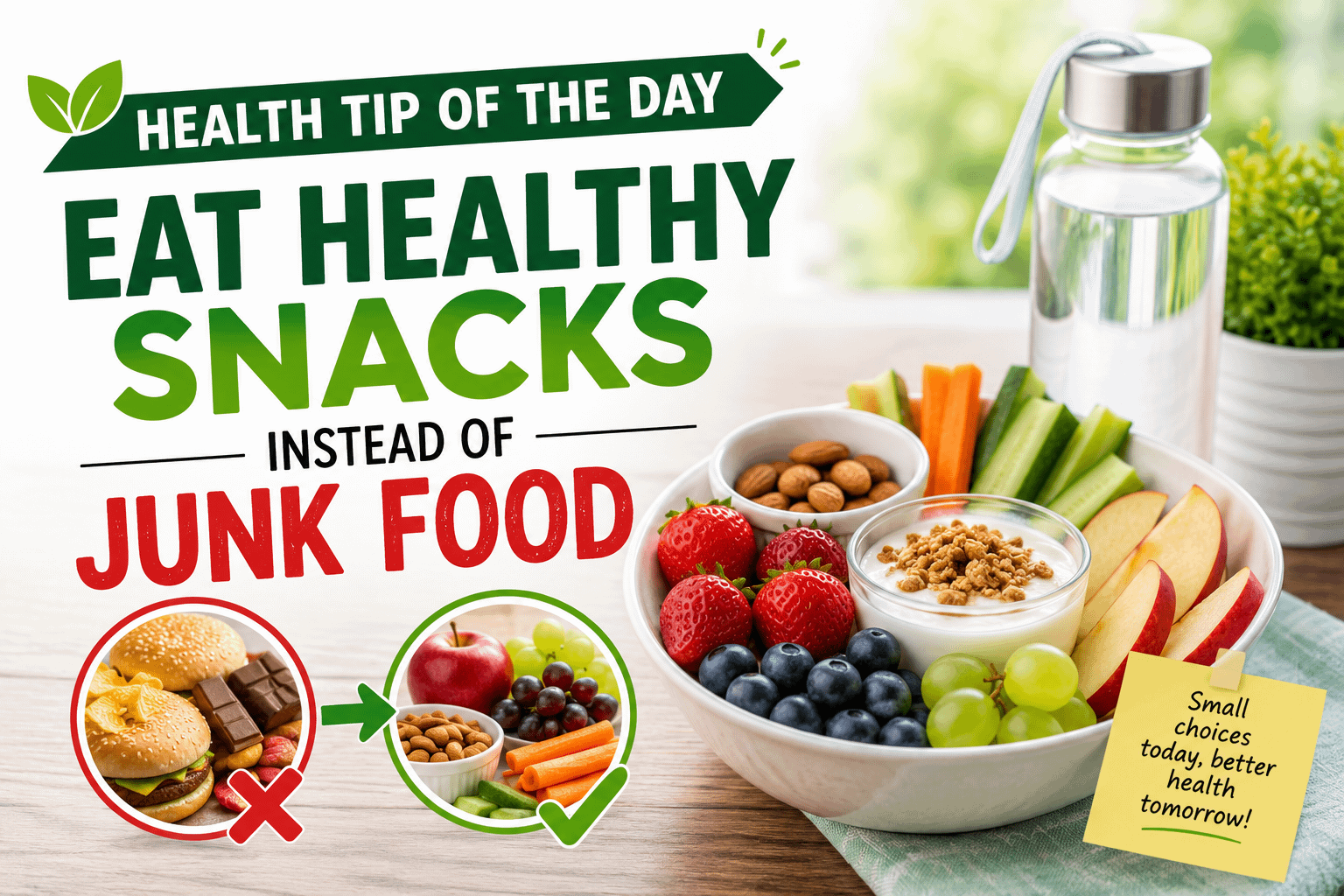
Healthy Snacking Can Include Protein Too
While today’s tip focuses on meals, protein can also be useful when choosing snacks.
If you’re genuinely hungry between meals, consider snacks that combine protein with another nutritious food.
Ideas include:
- Greek yogurt with fruit
- Cottage cheese with berries
- Apple slices with nut butter
- Hard-boiled egg with fruit
- Hummus with vegetables
- Nuts with a piece of fruit
- Edamame
- Cheese with whole-grain crackers
You don’t necessarily need protein every time you put food in your mouth. The larger goal is to create an eating pattern that keeps you nourished and satisfied.
How You Cook Protein Matters
Choosing chicken instead of a higher-fat meat is one step, but preparation also matters.
Consider the difference between:
Grilled chicken breast
and
Deep-fried chicken covered in heavy sauce.
Both contain chicken and therefore protein, but the overall meals can be very different nutritionally.
Cooking methods that can work well include:
- Baking
- Grilling
- Roasting
- Broiling
- Poaching
- Steaming
- Air frying
- Sautéing with moderate amounts of oil
You can create plenty of flavor without relying heavily on butter, cream sauces, or deep frying.
Try seasonings such as:
Garlic, lemon, lime, paprika, pepper, rosemary, thyme, basil, oregano, cumin, chili powder, ginger, or other herbs and spices you enjoy.
Healthy food doesn’t have to be bland.
Be Mindful of Processed Meats
Not every protein source is nutritionally equal.
Processed meats such as certain sausages, bacon, hot dogs, and deli meats can be higher in sodium and saturated fat.
You don’t necessarily have to declare these foods permanently forbidden, but they don’t need to be your primary protein source every day.
Whenever possible, rotate in less processed choices such as fresh poultry, fish, eggs, beans, lentils, tofu, or lean meats.
Healthy eating is usually easier to sustain when you focus on what you eat most often, rather than trying to create an impossible list of foods you’re never allowed to enjoy again.
Make Lean Protein Convenient
Knowing what to eat is one thing.
Having it available when you’re hungry is another.
Convenience has an enormous influence on food choices.
If you’re exhausted at the end of the day and nothing is prepared, fast food or takeout can become much more tempting.
Make nutritious options convenient before hunger hits.
Try preparing a few basics ahead of time.
Cook several portions of chicken.
Boil a few eggs.
Prepare lentils or beans.
Keep tuna or salmon packets available.
Stock Greek yogurt.
Keep canned beans in your pantry.
Freeze individual portions of cooked protein.
Wash and cut vegetables ahead of time.
Cook brown rice or quinoa in batches.
You don’t need an elaborate Sunday meal-prep routine.
Even preparing two or three ingredients ahead of time can make weekday meals much easier.
Use the “Protein + Produce” Rule
If you’re unsure how to improve a meal, try this simple approach:
Start with protein and produce.
Choose a protein.
Then add a vegetable or fruit.
After that, round out the meal with a nutritious carbohydrate and, when appropriate, a source of healthy fat.
For example:
Chicken + broccoli + brown rice + avocado.
Greek yogurt + berries + oats + nuts.
Eggs + spinach + whole-grain toast + fruit.
Salmon + asparagus + potatoes.
Beans + peppers + quinoa + avocado.
This isn’t a rigid diet rule.
It’s simply an easy framework for creating balanced meals.
Eating Out? Look for Lean Protein Options
You can practice this habit at restaurants too.
Look for grilled, roasted, baked, or broiled protein options rather than automatically choosing heavily fried dishes.
Depending on the restaurant, you might choose:
- Grilled chicken
- Grilled fish
- Shrimp
- Lean steak
- Turkey
- Bean-based dishes
- Grilled tofu
Pair the protein with vegetables, salad, potatoes, rice, beans, or another side that fits your overall eating goals.
You can still enjoy restaurant food.
Healthy eating doesn’t require avoiding restaurants or never ordering your favorite foods.
It is about making thoughtful choices more often.
Don’t Let “Perfect” Nutrition Become the Goal
One of the biggest mistakes people make when trying to improve their health is expecting perfection.
You eat a healthy breakfast Monday morning.
You have a nutritious lunch.
Then dinner doesn’t go as planned.
Suddenly you think:
“I ruined my diet.”
You didn’t.
One meal doesn’t determine your health.
Just like one healthy meal won’t instantly transform your body, one less-nutritious meal doesn’t erase everything else you’re doing.
Your overall pattern matters far more.
If lunch wasn’t balanced, make your next meal balanced.
If you forgot protein at breakfast, include it at lunch.
If you ate fast food yesterday, make a nutritious dinner tonight.
Keep moving forward.
Healthy Eating Is Built Through Repetition
The most powerful nutritional habits are often the least dramatic.
Drink more water.
Eat more vegetables.
Choose whole foods more often.
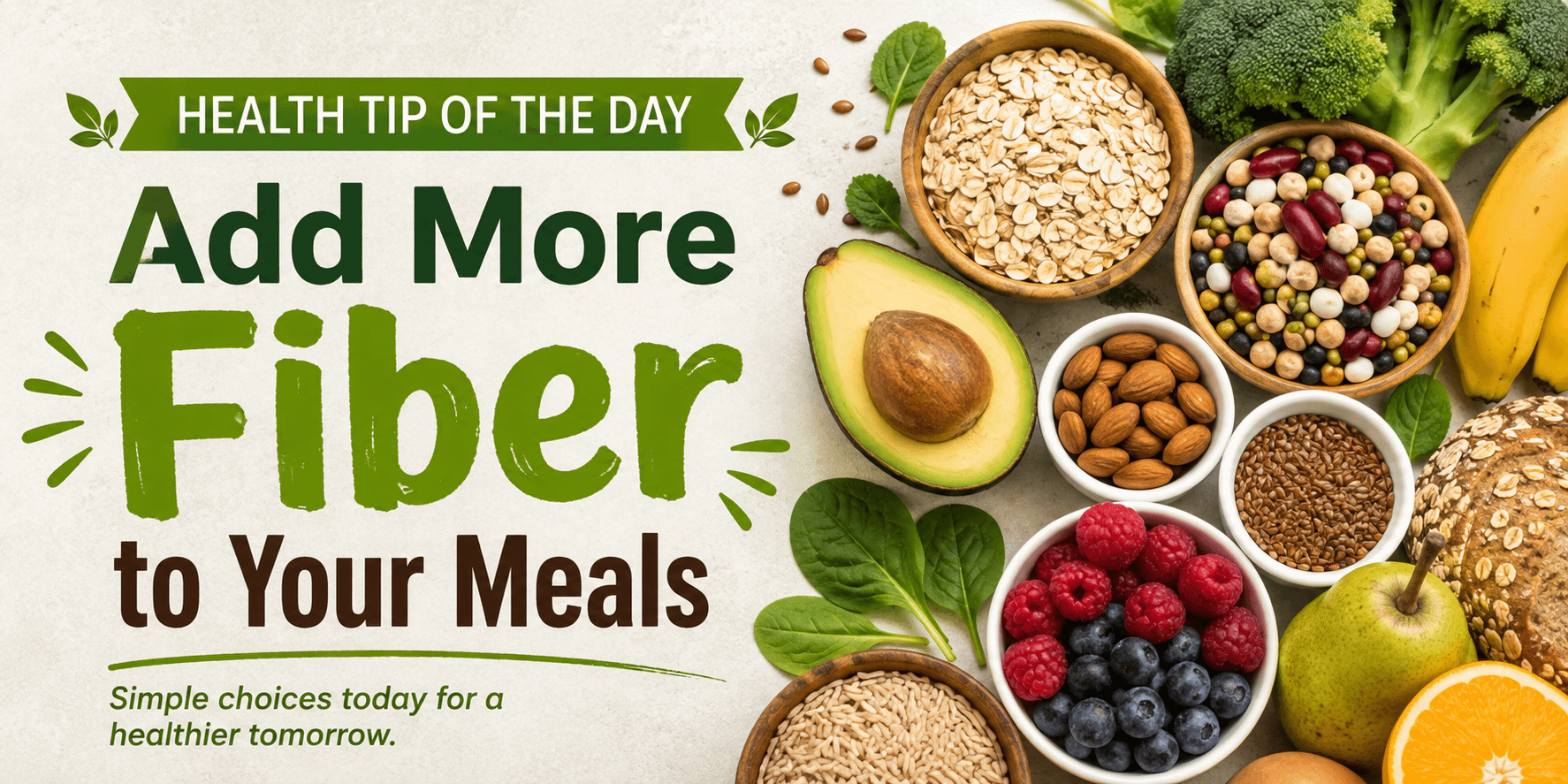
Include fiber-rich foods.
Pay attention to portion sizes.
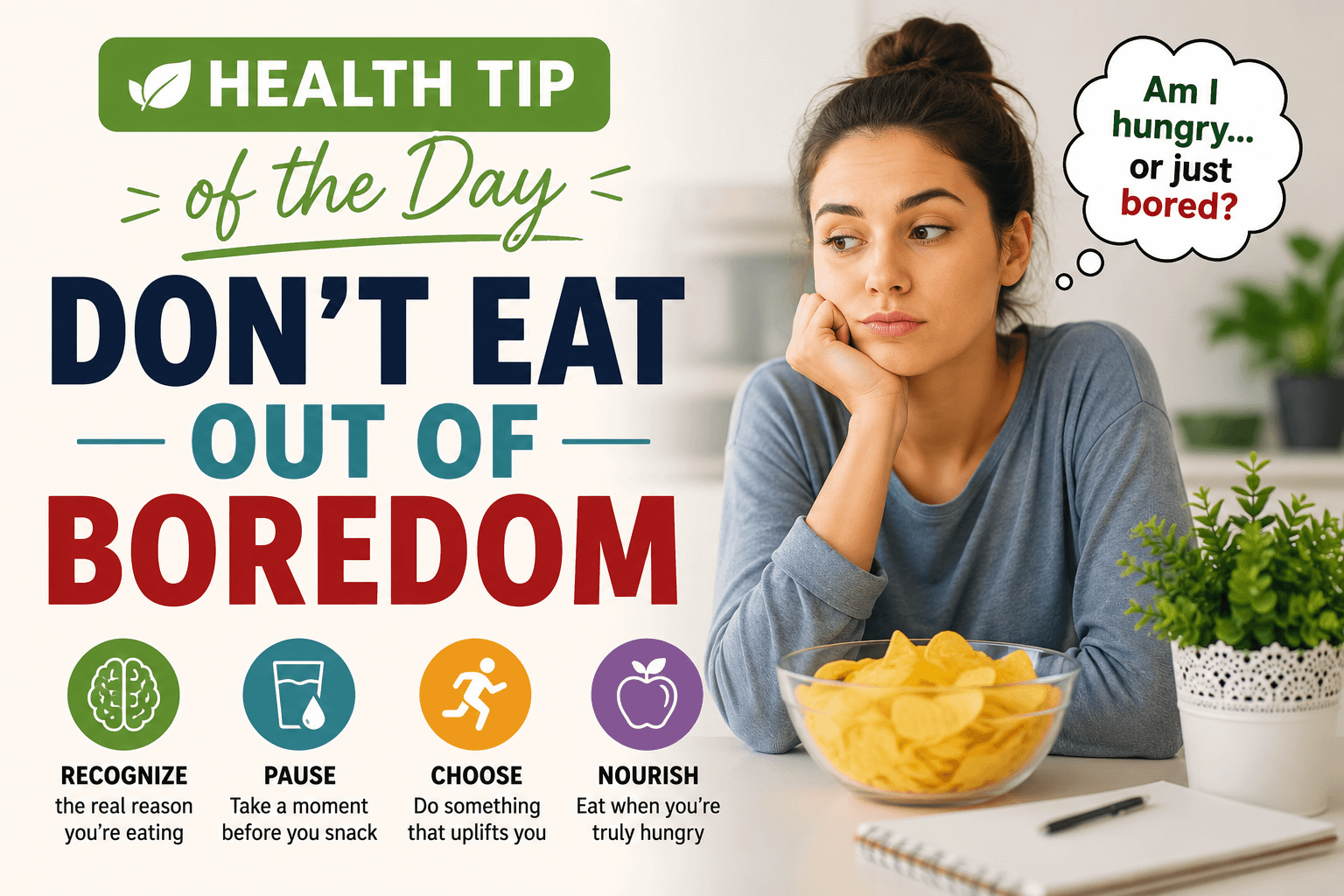
Eat when you’re genuinely hungry.
And include quality protein sources regularly.
None of these habits sounds revolutionary.
But health isn’t usually transformed by one revolutionary decision.
It changes through ordinary decisions repeated consistently.
Every meal gives you another opportunity.
A Simple One-Week Lean Protein Challenge
For the next seven days, try paying attention to the protein in your meals.
You don’t need to count grams or download another diet app.
Simply ask yourself three questions:
Breakfast: Where’s my protein?
Lunch: Where’s my protein?
Dinner: Where’s my protein?
If you don’t see a protein source, consider adding one.
Maybe breakfast gets an egg.
Lunch gets grilled chicken.
Dinner gets salmon.
Tomorrow breakfast gets Greek yogurt.
Lunch gets tuna.
Dinner gets black beans.
The following day you choose eggs, turkey, and tofu.
By rotating your choices, you can make your diet more interesting while getting nutrition from a wider range of foods.
Listen to Your Body
Nutrition advice should never become a competition.
Someone else’s ideal amount of protein may not be yours.
Your needs can vary based on your age, body size, activity level, goals, dietary preferences, and health circumstances.
Pay attention to how different meals make you feel.
Do you feel satisfied?
Do you have steady energy?
Are you hungry again immediately?
Are your meals varied?
Are you getting vegetables, fruits, whole grains, healthy fats, and protein?
Those questions are often more useful than chasing the latest diet trend.
People with kidney disease or other conditions that affect protein requirements should follow individualized guidance from their healthcare professional or registered dietitian.
Today’s Health Tip
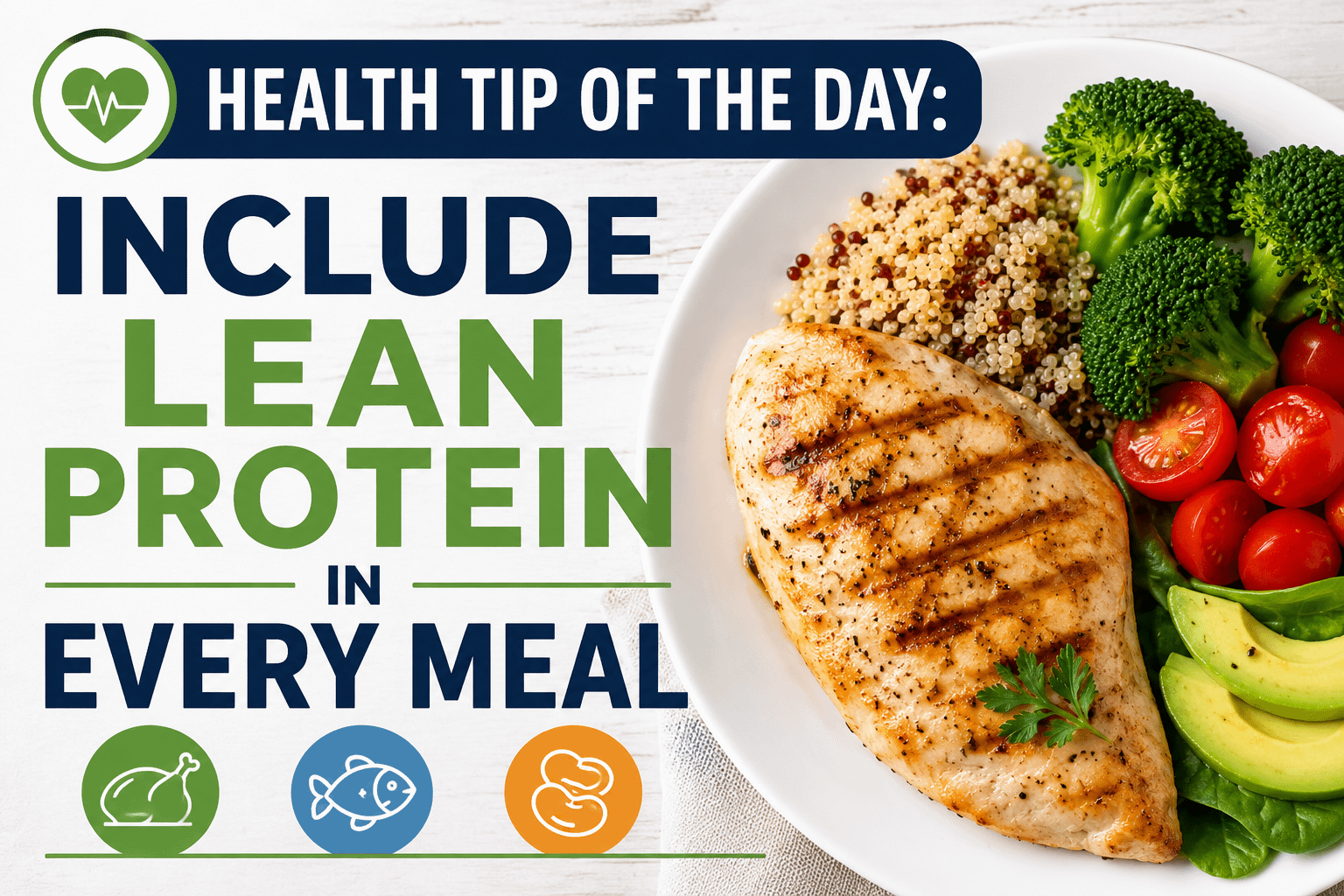
Include Lean Protein in Every Meal
Try to make protein a regular part of breakfast, lunch, and dinner.
Choose nutritious sources such as:
- Chicken
- Turkey
- Fish
- Seafood
- Eggs
- Beans
- Lentils
- Chickpeas
- Tofu
- Tempeh
- Edamame
- Greek yogurt
- Cottage cheese
- Lean beef
- Lean pork
Then build the rest of your meal around vegetables, fruits, whole grains, and healthy fats.
Remember that lean protein is part of a healthy meal—not the entire meal.
One Healthy Choice at a Time
Improving your diet doesn’t require perfection.
You don’t have to eliminate every food you enjoy.
You don’t have to follow every nutrition trend.
And you certainly don’t have to change everything overnight.
Start with something manageable.
At your next meal, look at your plate and ask:
“Do I have a good source of protein?”
If the answer is yes, you’re already practicing today’s health tip.
If the answer is no, think about one simple protein-rich food you could add.
Then do it again at your next meal.
And your next.
Small choices become habits.
Habits become routines.
And routines can eventually become a healthier lifestyle.
Today’s reminder: Don’t chase the perfect diet. Build a better plate, one meal at a time—and let lean protein be one of the building blocks.