
Thanksgiving turkey is the centerpiece of one of the most anticipated meals of the year. Whether you are roasting your first turkey or preparing a holiday dinner for the entire family, achieving juicy meat, flavorful seasoning, and beautifully golden skin is often the biggest challenge.
One popular technique involves placing butter underneath the turkey’s skin before roasting. Many home cooks and professional chefs recommend this method because it helps distribute flavor directly onto the meat while encouraging rich browning during cooking.
But should you put butter under the skin of a Thanksgiving turkey? Does it actually keep the meat moist, and is it better than simply rubbing butter over the outside?
Yes, putting butter under the skin of a Thanksgiving turkey is an excellent way to add flavor, enhance richness, and improve the overall eating experience. However, butter alone does not guarantee juicy turkey. Proper roasting temperatures, careful preparation, and avoiding overcooking are equally important.
Understanding how this technique works can help you prepare a delicious Thanksgiving turkey that your guests will remember.
Why Should You Put Butter Under the Skin of a Turkey?
Placing butter underneath the skin allows it to come into direct contact with the turkey meat rather than remaining entirely on the outside.
As the turkey roasts, the butter melts and spreads across the surface of the meat beneath the skin. This adds richness and helps distribute any herbs or seasonings mixed into the butter.
There are several reasons this technique is popular.
1. Adds Rich Flavor to the Turkey Meat
Turkey breast is naturally mild in flavor, making it an excellent choice for seasoning with butter, herbs, garlic, and spices.
When butter is placed underneath the skin, these flavors are positioned directly against the meat.
Instead of relying entirely on seasoning applied to the outside, the turkey develops a richer flavor beneath the skin.
2. Helps Protect the Surface of the Meat
Butter adds fat to the surface of the turkey breast, which can improve the richness and texture of the finished meat.
However, it is important to understand that melted butter does not penetrate deeply into the muscle fibers or prevent moisture loss throughout the entire turkey.
The most effective way to keep turkey juicy is to avoid overcooking it.
3. Creates a Richer Roasting Flavor
As the butter melts, it combines with turkey juices and seasonings.
These flavorful drippings collect in the roasting pan and can be used to prepare homemade Thanksgiving gravy.
Butter can also contribute to browning, although the crispness of the skin depends heavily on how dry the skin is before roasting.
4. Makes Herb Seasoning More Effective
Fresh herbs can sometimes burn when placed directly on the outside of a turkey.
Mixing them into butter and spreading the mixture beneath the skin helps protect the herbs from direct oven heat.
This method works particularly well with rosemary, thyme, sage, and parsley.
How Much Butter Should You Put Under the Skin of a Thanksgiving Turkey?
The amount of butter depends on the size of your turkey and how much flavor you want to add.
For most Thanksgiving turkeys, a few tablespoons of softened butter beneath the breast skin are sufficient.
| Turkey size | Suggested butter amount |
|---|---|
| 8–10 pounds | 3–4 tablespoons |
| 10–12 pounds | 4–5 tablespoons |
| 12–16 pounds | 5–6 tablespoons |
| 16–20 pounds | 6–8 tablespoons |
| 20–24 pounds | 8–10 tablespoons |
These amounts are guidelines rather than strict requirements.
You do not need to completely cover the meat with a thick layer of butter. A thin, even coating is generally more effective.
For a 12- to 16-pound Thanksgiving turkey, approximately 5–6 tablespoons of softened butter beneath the skin is a practical starting point.
If you plan to use additional butter on the outside, account for that separately.
How Do You Put Butter Under the Skin of a Turkey?
Putting butter under turkey skin is relatively simple, but the process requires patience to avoid tearing the skin.
Step 1: Prepare the Turkey
Begin with a completely thawed turkey.
Remove the packaging, giblets, and neck if they are included.
Pat the turkey dry with paper towels, including the breast and outer skin.
Avoid washing raw turkey because splashing water can spread bacteria around the kitchen.
Place the turkey breast-side up on a clean preparation surface.
Step 2: Soften the Butter
Allow the butter to soften until it spreads easily.
The butter should be soft but not completely melted.
Softened butter is easier to distribute evenly underneath the skin.
Step 3: Carefully Loosen the Skin
Starting near the neck opening of the turkey, gently slide your fingers between the skin and the breast meat.
Slowly separate the skin from the meat while keeping it attached around the edges.
Work carefully because turkey skin can tear if pulled too aggressively.
You only need enough space to spread the butter across the breast.
Step 4: Spread the Butter Underneath
Take small portions of softened butter and place them beneath the loosened skin.
Use your fingers to distribute the butter across the breast meat.
Once the butter is underneath, gently massage the outside of the skin to help spread it evenly.
Step 5: Season the Outside
After adding the butter, season the outside of the turkey with salt, black pepper, and your preferred herbs.
If the turkey was already brined or contains an added salt solution, reduce the additional salt accordingly.
Step 6: Roast the Turkey
Place the turkey on a roasting rack inside a roasting pan.
Roast according to the turkey’s weight and your chosen cooking method.
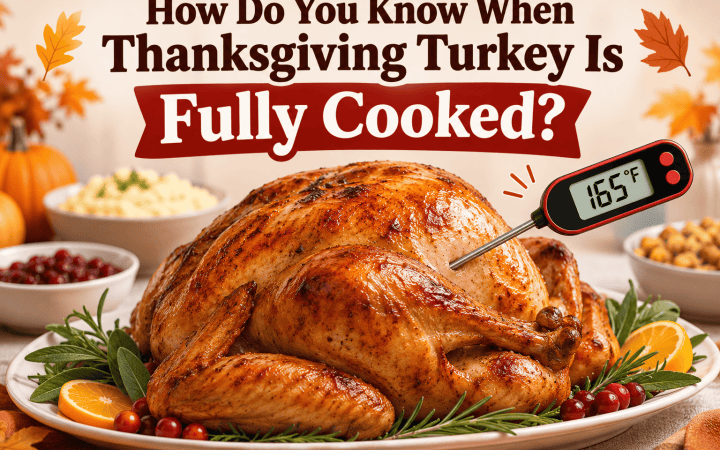
Use a meat thermometer to check doneness rather than relying entirely on cooking time.
The turkey should reach a safe internal temperature of 165°F in the thickest part of the breast, innermost thigh, and innermost wing.
What Is the Best Butter to Use Under Turkey Skin?
Unsalted butter is generally the best choice for Thanksgiving turkey.
It allows you to control the amount of salt added to the meat.
Salted butter can also work, but you should reduce any additional salt used in the seasoning mixture.
For the best results, choose regular dairy butter with a rich flavor.
Avoid using butter that is completely melted because it will be more difficult to position evenly underneath the skin.
Should You Use Plain Butter or Herb Butter?
Both options work well, but herb butter provides additional flavor.
Plain butter adds richness without significantly changing the turkey’s traditional taste.
Herb butter combines softened butter with aromatic ingredients to create a more flavorful coating.
Easy Thanksgiving Herb Butter Recipe
This simple mixture works well for a 12- to 16-pound turkey.
Ingredients
-
6 tablespoons unsalted butter, softened
-
1 tablespoon fresh rosemary, finely chopped
-
1 tablespoon fresh thyme, finely chopped
-
1 tablespoon fresh sage, finely chopped
-
2 garlic cloves, minced
-
½ teaspoon black pepper
-
½ teaspoon kosher salt, adjusted for the turkey’s existing salt content
-
1 teaspoon lemon zest, optional
Instructions
-
Place the softened butter in a small mixing bowl.
-
Add the rosemary, thyme, sage, garlic, black pepper, and salt.
-
Mix until the ingredients are evenly combined.
-
Add lemon zest if you prefer a slightly brighter flavor.
-
Gently loosen the turkey breast skin.
-
Spread the herb butter evenly underneath the skin.
-
Smooth the skin back into position before roasting.
This combination creates a traditional Thanksgiving flavor that pairs well with stuffing, mashed potatoes, roasted vegetables, and gravy.
Is It Better to Put Butter Under or Over Turkey Skin?
Both methods have advantages, but they accomplish slightly different things.
Butter Under the Skin
Butter underneath the skin comes into direct contact with the turkey meat.
This makes it especially useful for adding herbs and rich flavor to the breast.
It also keeps the herbs away from direct oven heat.
Butter Over the Skin
Butter rubbed over the outside can contribute to browning and flavor.
However, butter contains water and milk solids, so it does not always produce the crispiest possible skin.
Excess surface moisture can interfere with crisping.
Can You Do Both?
Yes. You can place herb butter underneath the skin and use a small amount of butter or oil on the outside.
For particularly crispy skin, dry the exterior thoroughly and avoid applying a heavy coating of butter.
A light coating of oil can be an effective alternative for the outside.
Does Butter Under Turkey Skin Make the Turkey Juicier?
Butter can make turkey taste richer and more succulent, but it does not necessarily increase the amount of moisture retained inside the meat.
Turkey becomes dry primarily when its proteins contract during excessive cooking and squeeze out moisture.
Butter placed beneath the skin cannot completely prevent this process.
For genuinely juicy Thanksgiving turkey, focus on several important factors.
Avoid overcooking. Use a reliable thermometer to determine when the turkey is fully cooked.
Consider dry brining. Salting the turkey in advance can improve seasoning and moisture retention. Adjust the salt if the turkey is pre-brined or enhanced.
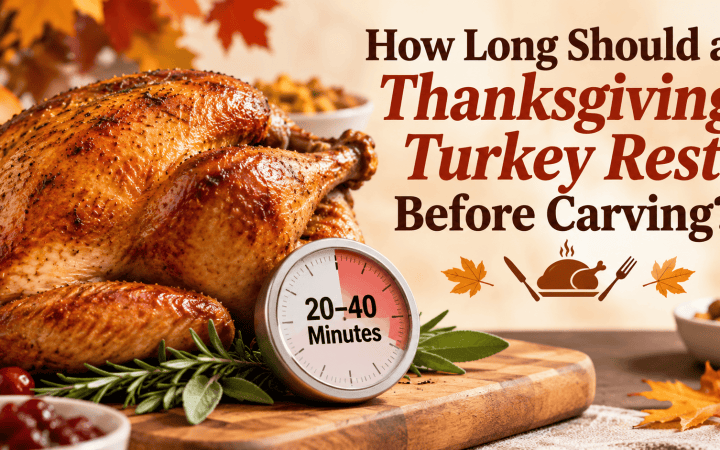
Allow the turkey to rest. Resting before carving helps reduce the amount of juice lost immediately after slicing.
Roast at a suitable temperature. A consistent oven temperature of approximately 325°F to 350°F works well for many whole-turkey recipes.
Butter is a helpful addition, but accurate cooking is more important for preventing dry meat.
Should You Put Butter Under the Skin of a Brined Turkey?
Yes, you can put butter under the skin of a brined Thanksgiving turkey.
However, the type of butter matters.
Brined turkey already contains additional salt, so unsalted butter is generally preferable.
If you use herb butter, avoid adding unnecessary salt to the mixture.
This is particularly important for store-bought turkeys labeled as self-basting, enhanced, or containing an added solution.
Combining heavily salted butter with an already seasoned turkey can make the finished meat too salty.
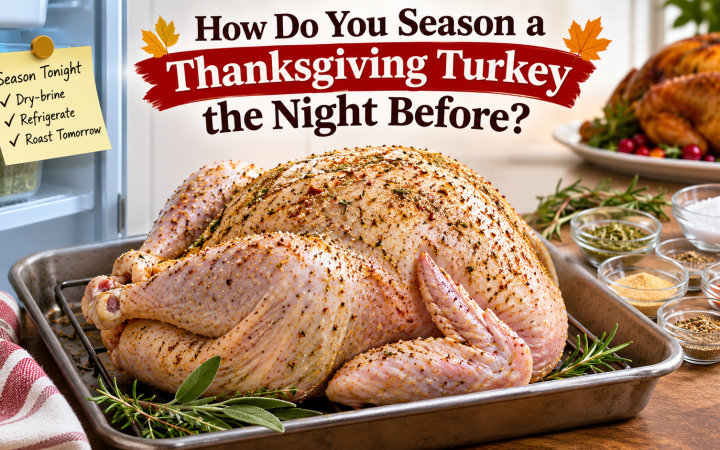
Can You Put Butter Under Turkey Skin the Night Before Thanksgiving?
Yes. Preparing your turkey with herb butter the night before Thanksgiving can save valuable time on the holiday.
After spreading the butter beneath the skin, refrigerate the turkey promptly at 40°F or below.
Keep it covered or otherwise protected from contamination.
If you are dry-brining the turkey, you may prefer to salt it first and allow the skin to dry in the refrigerator before adding butter closer to roasting time.
Preparing the butter mixture in advance is another convenient option.
You can refrigerate the prepared herb butter separately and soften it before applying it to the turkey.
Never leave raw turkey sitting at room temperature overnight.
Will Butter Under the Skin Make Turkey Skin Crispy?
Butter beneath the skin can contribute to flavorful browning, but it does not automatically create crispy skin.
Crispy turkey skin depends on several factors, including moisture, oven temperature, airflow, and the amount of fat applied to the surface.
For better results, thoroughly pat the skin dry before roasting.
Avoid covering the turkey unnecessarily throughout the entire cooking process.
Using a roasting rack allows hot air to circulate around more of the bird.
If the skin begins browning too quickly before the meat is fully cooked, loosely cover the affected areas with aluminum foil.
Remember that the goal is to cook the turkey safely without burning the exterior.
Should You Put Butter Under the Skin of Turkey Legs and Thighs?
You can place butter underneath the skin of the legs and thighs, but it is not always necessary.
Dark meat naturally contains more fat and connective tissue than turkey breast.
As a result, it generally tolerates longer cooking and remains flavorful at higher temperatures.
The breast benefits most noticeably from added butter and seasoning.
If you want to season the thighs, gently loosen the skin wherever possible without tearing it.
Do not force butter underneath areas where the skin is tightly attached.
What Are the Biggest Mistakes When Putting Butter Under Turkey Skin?
Although the technique is straightforward, several common mistakes can reduce its effectiveness.
Using Cold, Hard Butter
Cold butter is difficult to spread and can tear the turkey skin.
Always soften it first.
Adding Too Much Butter
Excessive butter can collect in pockets beneath the skin or melt into the roasting pan without adding much additional benefit.
Use a thin, even layer instead.
Tearing the Skin
Damaged skin can expose the breast meat directly to oven heat and affect the finished appearance.
Work slowly and loosen the skin gently.
Using Too Much Salt
Salted butter combined with a brined or pre-seasoned turkey can create an overly salty result.
Choose unsalted butter when possible.
Assuming Butter Prevents Overcooking
Even a heavily buttered turkey can become dry when roasted too long.
Always check the internal temperature.
Handling Raw Turkey Without Proper Cleaning
Wash your hands thoroughly after touching raw turkey, and clean utensils and preparation surfaces before they contact other foods.
Keeping the preparation area sanitary is an essential part of safe Thanksgiving cooking.
Can You Use Olive Oil Instead of Butter Under Turkey Skin?
Yes, olive oil can be used instead of butter.
Olive oil provides fat and helps distribute seasonings across the meat.
However, because it is liquid, it can be more difficult to keep in place underneath the skin.
Butter is generally easier to spread evenly when softened.
Olive oil is particularly useful for coating the outside of the turkey.
You can also combine a small amount of olive oil with softened butter if you prefer.
For dairy-free Thanksgiving turkey, olive oil is a practical alternative.
Frequently Asked Questions
Does butter under turkey skin burn?
Butter underneath intact turkey skin is somewhat protected from direct oven heat. However, butter and herbs exposed on the outside can brown or burn if the oven temperature is too high.
Should butter be melted before putting it under turkey skin?
No. Softened butter is preferable because it stays in place and spreads more evenly. Melted butter tends to run off the meat.
Can you put garlic butter under turkey skin?
Yes. Garlic butter is an excellent option. Combining garlic with rosemary, thyme, and sage creates a flavorful Thanksgiving seasoning.
How far under the skin should you spread the butter?
Spread the butter across as much of the breast meat as you can comfortably reach without tearing the skin. There is no need to separate every part of the skin from the turkey.
Should you butter the turkey before or after seasoning?
For herb butter, mix the seasonings into the softened butter before applying it. You can then season the outside separately.
Does butter under the skin replace brining?
No. Butter primarily adds fat and flavor, while brining changes how the meat retains moisture during cooking. The two methods serve different purposes and can be used together.
Can you use margarine instead of butter?
Yes, although the flavor and results may differ. Choose a margarine suitable for cooking and be mindful of its water and salt content.
Is butter under the skin necessary for Thanksgiving turkey?
No. You can make a delicious turkey without butter. Proper seasoning, careful roasting, and accurate temperature monitoring are more important than any single ingredient.
Final Thoughts: Should You Put Butter Under the Skin of a Thanksgiving Turkey?
Putting butter under the skin of a Thanksgiving turkey is a simple and effective technique for adding rich flavor directly to the breast meat.
Softened butter mixed with fresh rosemary, thyme, sage, and garlic can make the turkey more flavorful while contributing to delicious pan drippings for homemade gravy.
For a typical 12- to 16-pound turkey, approximately 5–6 tablespoons of softened butter underneath the breast skin is a good starting point.
However, butter should be considered a flavor-enhancing technique rather than a guaranteed solution for dry turkey.
The most important steps are choosing the right seasoning, roasting at an appropriate temperature, checking the internal temperature, and allowing the turkey to rest before carving.
The bottom line: Yes, putting butter under the skin of your Thanksgiving turkey is worth doing, especially if you want flavorful breast meat and traditional holiday herb seasoning. Combined with proper roasting techniques, it can help you serve a Thanksgiving turkey that is tender, delicious, and worthy of the holiday table.


Leave a Reply